
Cut pile rugs explained
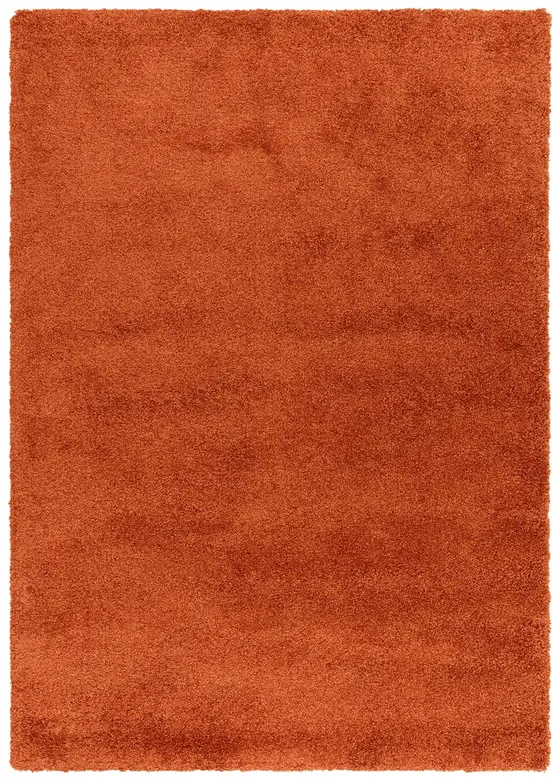
Cut pile rugs are made by looping yarn through a backing and then cutting the tops to create upright tufts that feel soft underfoot. This construction produces a plush, even surface that is more luxurious than loop pile but requires more care because the cut ends can crush or show footprints. In most UK homes they work best in low-traffic bedrooms or living rooms where comfort matters more than heavy wear.
What is cut pile construction?
Cut pile is created when yarn is inserted into a woven or tufted backing to form loops, which are then sheared with blades to leave individual fibre ends standing upright. The result is a uniform, velvety texture. Pile height typically ranges from 8 mm for low cut pile to over 40 mm for deep shaggy styles. Shorter cut pile offers easier maintenance while longer versions deliver greater softness.
Common manufacturing methods include machine-woven Wilton, hand-tufted and hand-knotted. Machine-woven cut pile rugs tend to be more affordable and consistent, whereas handmade rugs often provide superior yarn quality and longevity. The backing is usually latex or glue-based to hold the tufts in place.
Cut pile versus loop pile
Loop pile keeps the yarn in uncut loops for a textured, patterned surface that hides marks well but feels firmer. Cut pile feels noticeably softer and is preferred for bedrooms. Many modern designs combine both in high-low or cut-and-loop constructions, such as the Ariana Ripple Shaggy Rug.
Softness levels and pile height
Softness depends on fibre type, pile height and density. Short 8-10 mm cut pile, like the Wilder Tiger Rug in Taupe Neutral, feels supportive yet comfortable. Medium 15-25 mm heights strike a balance between plushness and practicality. Deep shaggy rugs over 30 mm deliver maximum luxury but demand more vacuuming and can flatten in high-traffic zones.
Fibre choice matters. Wool cut pile rugs offer natural resilience and soil-hiding properties, making them easier to keep clean than many synthetics. Polypropylene versions resist stains and moisture but can appear less lush. Viscose blends add silk-like sheen but mark easily with water or foot traffic.
Best room placements for cut pile rugs
Cut pile rugs suit rooms where comfort is the priority and foot traffic is moderate. In living rooms a 160x230 cm or 200x290 cm size placed front-legs-on under the sofa works for most UK layouts, leaving 30-60 cm of floor visible around the edges. For smaller rooms reduce to 20 cm clearance.
Bedrooms benefit most from cut pile. Position a rug so it extends 50-60 cm beyond each side of the bed for bare feet on softness when you rise. Avoid placing deep cut pile under dining tables; chairs can catch and the pile shows wear from movement. Hallways and kitchens are better served by low pile or flatweave options.
Practical checklist for placement:
- Measure the seating area and add 15-30 cm beyond sofa ends.
- Ensure 60 cm clearance on all sides of a dining table if using cut pile.
- Choose low to medium pile for families with pets or children.
- Select stain-resistant polypropylene for living rooms with high use.
Materials used in cut pile rugs
Wool cut pile rugs, such as the Reef Big Geo RF13 Wool Rug, are naturally springy and flame-resistant compared with synthetics. They shed initially but settle within weeks. Polypropylene and polyester blends, seen in the Anders AN series and Atlas Shaggy Rug, tolerate spills and are suitable for homes with children. These fibres resist water but can flatten over time and are not heat-resistant.
Viscose (sometimes labelled bamboo silk) adds shine and softness in rugs like the Enigma Wool & Viscose but is sensitive to moisture and crushes easily. Recycled polyester options such as the Romy collection offer environmental benefits while maintaining cut pile comfort at a mid-range price.
When comparing durability, denser pile with more tufts per square metre lasts longer. Hand-tufted rugs have a glued backing that can degrade in damp conditions, while woven constructions are generally more stable.
Care and maintenance of cut pile rugs
Regular vacuuming with a beater-bar-free cleaner prevents dirt embedding in the cut ends. Rotate the rug every six months to even out wear. Address spills immediately by blotting with a clean cloth; avoid rubbing which can damage the pile.
For wool rugs use specialist wool detergent. Polypropylene tolerates mild soap and water but never steam clean as heat can melt synthetic fibres. Professional cleaning is advisable for deep pile or valuable handmade pieces. In homes with pets, medium cut pile in darker or patterned designs shows less hair and paw prints.
Common issues include:
- Crushing in high-traffic areas – choose denser construction or lower pile.
- Watermarks on viscose blends – keep away from bathrooms.
- Shedding on new wool rugs – vacuum daily for the first month.
Choosing the right cut pile rug
Decide first on room use. For a family living room opt for polypropylene cut pile in a 200x290 cm size from the polypropylene rugs range. Bedrooms suit wool or polyester blends in softer heights. Match pile height to existing furniture scale: lower pile for slimline sofas, deeper for generous seating.
Consider colour and pattern. Plain cut pile in beige or grey shows footprints more than abstract or textured designs. The Anders AN01 Rug in Grey and Anders AN05 in Beige & Natural demonstrate how subtle space-dyed yarns add interest without high maintenance. For a bolder look explore the modern rugs or abstract rugs categories.
Budget and size also guide choice. Smaller 120x170 cm cut pile rugs start from under £100 while larger 200x300 cm wool options cost more. Always check the product page for exact pile height, construction and care instructions before purchase.
Explore further:
- Thick & deep pile rugs for maximum comfort
- Low pile rugs for busier areas
- Wool rugs for natural resilience
- Bedroom rugs for soft underfoot luxury
Frequently asked questions
Are cut pile rugs suitable for homes with pets?
Medium-height cut pile in polypropylene or tightly woven wool can work if vacuumed regularly. Avoid very deep shaggy styles as they trap hair and are harder to clean. Patterned or darker colours help disguise pet hair and paw marks.
How do I stop cut pile rugs from flattening?
Choose higher-density constructions and rotate the rug every six months. Regular vacuuming lifts the pile. For crushed areas, gently brush with a soft rug rake. Wool recovers better than polypropylene but all cut pile will show some compression in heavy traffic.
What is the difference between tufted and woven cut pile rugs?
Hand-tufted rugs are made by punching yarn into a backing then gluing it, offering plushness at lower cost. Woven cut pile interlocks yarn during manufacture for greater stability and longevity. Tufted rugs suit bedrooms; woven versions cope better in living rooms.
Can you use cut pile rugs in a dining room?
Only low to medium cut pile is practical. Allow at least 60 cm extra on every side of the table so chairs remain fully on the rug when pulled out. Deep pile catches chair legs and shows wear quickly from movement. Flatweaves or low pile rugs are usually a safer dining choice.
Do cut pile rugs shed?
New wool cut pile rugs shed loose fibres for the first few weeks as the manufacturing process settles. Vacuum daily until shedding reduces. Synthetic cut pile sheds far less. Proper edging and a non-slip underlay also help minimise loose fibres over time.
Shop the guide
-
 Atlas Shaggy Rug in Emerald Green
from £59.98
-
 Atlas Shaggy Rug in Gunmetal Grey
from £59.98
-
 Atlas Shaggy Rug in Natural
from £59.98
-
 Atlas Shaggy Rug in Navy Blue
from £59.98
Shop all thick & deep pile rugs
Related guides
- Rug pile density and weight explained
- Tencel rugs: sustainable fibre explained
- Seagrass rugs explained
- Rug edges explained: binding, overlocking and fringes
- Rug pile heights explained
- All rug guides
Questions about a specific rug? Every product page lists the maker's size, material, pile height and care details. Delivery is free and tracked to England, Wales and mainland Scotland, and you have 14 days to change your mind. See delivery and returns.