
Tencel rugs: sustainable fibre explained
Lyocell rugs (often sold under the Tencel brand) are made from regenerated cellulose fibre produced from sustainably sourced wood pulp. They offer a soft, silky hand-feel with good drape. Like viscose, lyocell is water-sensitive, can watermark and is best suited to low-traffic bedrooms rather than busy living rooms or dining areas.
What is Tencel (lyocell)?
Tencel is the brand name for lyocell, a man-made fibre created by dissolving wood pulp (usually eucalyptus, beech or pine) in a non-toxic solvent. The solution is extruded through spinnerets to form fibres that are then washed, dried and spun into yarn. The manufacturing process is closed-loop, meaning most of the solvent and water is recovered and reused.
In rugs, Tencel is often blended with wool for added resilience or used alone for a luxurious sheen. It produces a fine, smooth pile that reflects light beautifully, giving a subtle lustre similar to silk. Product pages list material, pile height and care instructions so you can check exact composition before buying.
Eco credentials of Tencel rugs
The fibre uses wood from FSC-certified forests grown on land unsuitable for food crops. The closed-loop system reduces chemical discharge compared with many synthetic fibres. Lyocell is biodegradable when not blended with synthetics.
However, it still requires chemical processing and is not as naturally renewable as untreated wool or plant fibres such as jute and sisal. For the strongest eco profile, look for rugs that combine Tencel with wool rather than polyester. If sustainability is your main priority, recycled rugs or wool rugs may offer a simpler story.
Performance and practical considerations
Tencel rugs feel soft underfoot and have a natural sheen that works well in modern and minimalist schemes. The fibre absorbs moisture readily, which can lead to watermarks if spills are not blotted immediately. It is also prone to crushing in high-traffic areas, so it performs best in low-use spaces.
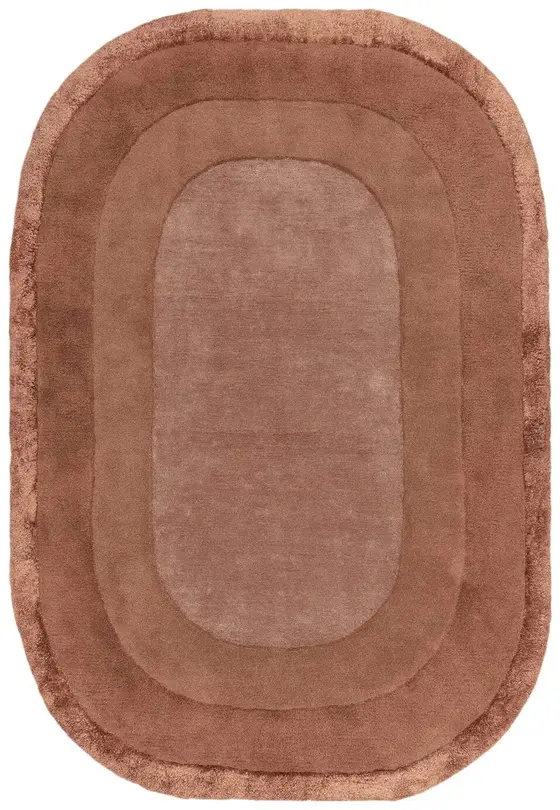
Compared with polypropylene, Tencel is less stain-resistant and cannot be cleaned as aggressively. Wool offers better resilience and soil-hiding properties but sheds when new. A wool and viscose blend, such as the Halo Wool & Viscose Rug in Clay, combines the strength of wool with the silk-like touch of cellulose fibre.
Stain resistance and cleaning
Blot spills straight away with a clean cloth. Avoid rubbing. Most manufacturers recommend professional cleaning for Tencel blends because household cleaners can cause colour run or permanent marking. Always follow the care instructions on the product page.
Best rooms and sizing for Tencel rugs
Because of its water sensitivity and tendency to show crush marks, Tencel is most suitable for bedrooms. Leave 30-60 cm of floor visible around the rug in most rooms (20 cm in small bedrooms). Under a bed, aim for 50-60 cm showing on either side so you step onto the rug when getting up.
In living rooms, choose a size that extends 15-30 cm beyond each end of the sofa. A 160x230 cm rug works for smaller rooms with a front-legs-on layout; 200x290 cm suits most 3-seater sofas. Dining rooms are generally unsuitable unless the rug is protected by a chair mat, as chair legs and spills increase risk of damage.
For neutral bedroom schemes, see our ranges of beige rugs, cream rugs and plain textured rugs.
Tencel versus wool, polypropylene and viscose
Tencel sits between natural and synthetic fibres. It is softer than sisal or jute, drapes better than polypropylene and feels cooler underfoot than wool. Yet it lacks wool’s natural flame resistance and resilience, and it cannot match polypropylene’s tolerance of spills and outdoor use.
Wool remains the most practical choice for family living rooms because it hides dirt well and springs back after compression. Polypropylene rugs are the easiest to maintain and most affordable but can look flat after heavy use. Pure viscose (sometimes labelled bamboo silk or art silk) shares Tencel’s lustre but is usually less strong and more prone to watermarking.
If you prefer low-maintenance performance, browse our polypropylene rugs. For classic durability, large wool rugs offer proven longevity.
Buying advice and checklist
- Check the exact fibre blend on the product page; 100% Tencel is rare in rugs and usually appears as a wool-Tencel or polyester-Tencel mix.
- Choose low-pile constructions for easier cleaning and less crushing.
- Measure your room and allow the correct border: 30-60 cm in living rooms, 50-60 cm beside beds.
- Confirm the rug is suitable for your room type; avoid Tencel under dining tables or in hallways.
- Read the care instructions; many Tencel rugs need professional cleaning only.
Common UK rug sizes include 120x170 cm, 160x230 cm and 200x290 cm (or 200x300 cm). Runners are typically 60-80 cm wide.
| Fibre | Softness | Stain resistance | Resilience | Water tolerance | Best use |
|---|---|---|---|---|---|
| Tencel / lyocell | High | Low | Medium | Low | Bedrooms |
| Wool | Medium | Medium | High | Medium | Living rooms |
| Polypropylene | Low-Medium | High | Medium | High | Any room, outdoors |
| Viscose | High | Low | Low | Low | Low-traffic areas |
Frequently asked questions
Is Tencel the same as viscose?
Tencel is a branded type of lyocell. Both are regenerated cellulose fibres made from wood pulp, but the Tencel process is closed-loop and uses a non-toxic solvent, making it more environmentally friendly than standard viscose. Performance is similar: both are soft, shiny and water-sensitive.
Can you put a Tencel rug in a bathroom?
No. Tencel absorbs moisture easily and can develop watermarks or mildew in humid conditions. It is unsuitable for bathrooms, kitchens or anywhere with regular water exposure. Choose polypropylene or outdoor rugs instead for these areas.
How do you clean a Tencel rug?
Blot spills immediately with a dry cloth. Vacuum regularly on a low setting. Most Tencel and wool-Tencel rugs require professional cleaning only; harsh chemicals or excessive water can cause permanent staining or shrinkage. Always check the care label on the product page.
Do Tencel rugs shed?
Pure Tencel rugs shed very little. Blends containing wool will shed for the first few weeks until loose fibres are removed. Vacuum regularly with a beater-bar-free head during the initial period to minimise loose fibre on floors and furniture.
Shop the guide
-
 Grayson Outdoor Rug in Grey
from £179.98
-
 Grayson Outdoor Rug in Cream
from £179.98
-
 Scion Swithland Wheat Rug
from £54.99
-
 Scion Mr Fox Yellow / White Rug
from £54.99
Related guides
- Seagrass rugs explained
- Rug pile density and weight explained
- Rug edges explained: binding, overlocking and fringes
- Power-loomed rugs explained
- Eco-friendly rugs: natural, recycled and certified
- All rug guides
Questions about a specific rug? Every product page lists the maker's size, material, pile height and care details. Delivery is free and tracked to England, Wales and mainland Scotland, and you have 14 days to change your mind. See delivery and returns.