
Seagrass rugs explained
Seagrass rugs are made from the dried leaves of the seagrass plant woven into flat or low-pile designs that give a textured, natural appearance in shades of beige, taupe and green. They suit living rooms, bedrooms and dining areas where foot traffic is moderate and spills are unlikely, but dislike water and can mark if damp. In the UK they provide an affordable floor covering that works especially well in coastal or Scandi-style interiors.
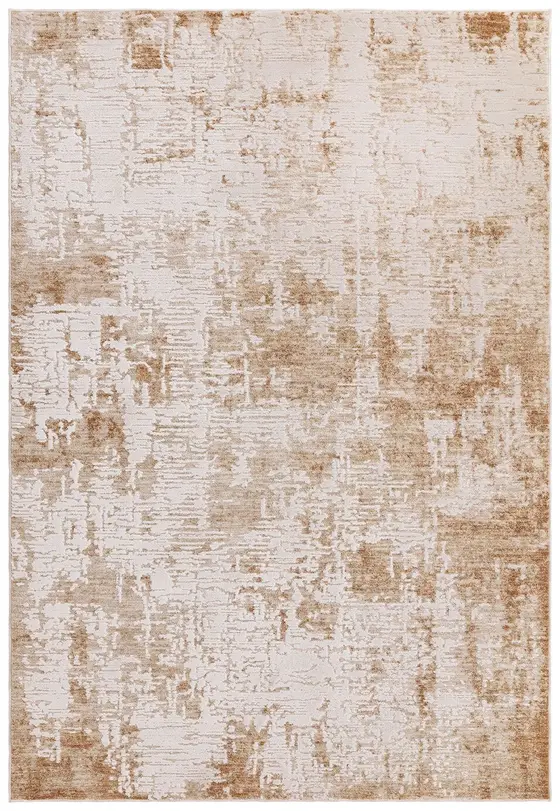
What is seagrass
Seagrass is a marine plant fibre harvested from coastal areas. The leaves are cut, dried and twisted into yarns then woven on looms into rugs. Most seagrass rugs are flatwoven with no pile or a very low pile. The natural colour ranges from pale beige to olive green with visible fibre texture that hides marks better than plain wool or polypropylene.
Unlike jute, which is coarser and more prone to fraying, seagrass has a smoother finish and tighter weave. It is less hard-wearing than sisal in areas with light furniture movement but still requires care to avoid water damage.
Appearance and style
Seagrass rugs deliver an organic, earthy look that pairs with wooden floors, linen sofas and neutral walls. The weave creates subtle variations in tone that change with the light, making them more interesting than solid-colour synthetic rugs. They work in modern, coastal, farmhouse and minimalist rooms but can look out of place in very formal or brightly patterned schemes.
Common UK sizes such as 160x230 cm or 200x290 cm allow the rug to sit with front sofa legs on the edge while leaving 30-60 cm of floor visible around the perimeter in average living rooms. In smaller rooms reduce this border to 20 cm.
Practical properties
Seagrass is naturally resilient to wear but has limitations. It tolerates moderate traffic yet crushes under heavy furniture for long periods. The fibre is easier to vacuum than shaggy polyester rugs. However it absorbs moisture readily and can develop dark watermarks or mildew if wet. Avoid placing it in kitchens, bathrooms or conservatories where condensation or spills occur.
Compared with wool, seagrass is less soft underfoot. It also sheds small fibres when new, though far less than new wool rugs. Relative to polypropylene it is more breathable but far less tolerant of water.
Durability and maintenance
With regular vacuuming and prompt blotting of any spills using a dry cloth, a seagrass rug can last several years in a living room. Rotate it every six months to even out wear. Never steam clean or use wet shampoo. For stubborn marks, blotting and allowing to dry fully is safest. In homes with pets or young children, darker natural tones hide paw prints better than pale shades.
Ideal locations in the home
Seagrass rugs perform best in dry, low-spill areas. Use a 200x290 cm size under a three-seater sofa in a standard living room with front legs on the rug and 15-30 cm extending beyond the ends. In bedrooms place the rug so it extends 50-60 cm beyond each side of the bed. Dining rooms need at least 60 cm clearance on all sides of the table so chairs remain fully on the rug when pulled out.
They suit:
- Living rooms with wooden or tiled floors
- Bedrooms away from en-suite bathrooms
- Hallways with low traffic if a runner width of 60-80 cm is used
- Studies or home offices
Avoid:
- Kitchens and dining areas with frequent spills
- Bathrooms and utility rooms
- Rooms with underfloor heating that stays on for long periods (excess heat can dry and brittle the fibre)
Seagrass vs other natural fibres
Seagrass sits between jute and sisal in texture. Jute feels softer but marks easily and dislikes water even more. Sisal is coarser, more durable and accepts dye better, yet can feel rough under bare feet. Wool offers greater comfort and resilience but costs more and sheds initially. For a balance of look and practicality many UK buyers choose seagrass for secondary rooms and wool rugs for main living areas.
Modern blends sometimes combine seagrass with wool or viscose for added softness, though these lose some of the pure natural appeal. Pure seagrass remains a budget-friendly natural option in the 160x230 cm and 200x290 cm sizes common in British homes.
Choosing the right size and care
Measure your space before buying. In living rooms leave 30-60 cm of bare floor around the rug. Under dining tables add 60 cm on every side. For beds allow 50-60 cm visible on each side. Check product pages for exact pile height, construction and care instructions.
Daily care is simple: vacuum on a low setting, rotate seasonally, lift rather than drag. If a small spill occurs, blot immediately and allow to dry fully before walking on it. With sensible placement seagrass rugs deliver years of textured neutral style at lower cost than handmade wool alternatives.
Explore similar natural and textured looks in our plain and textured rugs, beige and natural rugs, low pile rugs, bedroom rugs and living room rugs.
Frequently asked questions
Are seagrass rugs suitable for homes with dogs?
Seagrass rugs can work with dogs if the room is dry and traffic is light. Their textured surface hides paw prints better than plain viscose but nails can catch the weave. Choose darker natural tones and keep claws trimmed. They are not ideal for puppies or dogs that drool heavily.
Can you put a seagrass rug on carpet?
It is possible but not recommended. Seagrass is designed for hard floors. On carpet it may slip, wear unevenly and trap dirt between layers. If you must layer it, use a high-friction non-slip underlay and check regularly for bunching.
How do you clean a seagrass rug?
Vacuum regularly on a gentle setting. Blot spills immediately with a dry cloth. Never soak the rug or use steam cleaners. For deep cleaning consult a professional experienced with natural plant fibre rugs.
Do seagrass rugs shed?
New seagrass rugs shed small fibres for the first few weeks. This decreases quickly with regular vacuuming. The shedding is far less noticeable than with new wool rugs and does not affect the strength of the weave.
Is seagrass rug good for underfloor heating?
Seagrass can be used with underfloor heating if the system is not left on high for long periods. Excessive heat dries the natural fibre and makes it brittle. Keep the temperature moderate and monitor for cracking.
Shop the guide
-
 Atlas Shaggy Rug in Natural
from £59.98
-
 Jasper Rug in Multicoloured
from £69.98
-
 Jasper Rug in Beige
from £69.98
-
 Jasper Rug in Orange Neutral
from £69.98
Related guides
- Tencel rugs: sustainable fibre explained
- Rug pile density and weight explained
- Rug edges explained: binding, overlocking and fringes
- Power-loomed rugs explained
- Rug materials explained: wool, jute, viscose, polypropylene and more
- All rug guides
Questions about a specific rug? Every product page lists the maker's size, material, pile height and care details. Delivery is free and tracked to England, Wales and mainland Scotland, and you have 14 days to change your mind. See delivery and returns.