
Rug pile density and weight explained
Pile density measures how tightly fibres are packed per square metre. Weight indicates the total mass of material used. Higher density generally improves resilience and pattern definition but can feel firmer underfoot. Lower density creates a softer surface yet crushes more easily and shows wear faster in heavy-traffic areas.
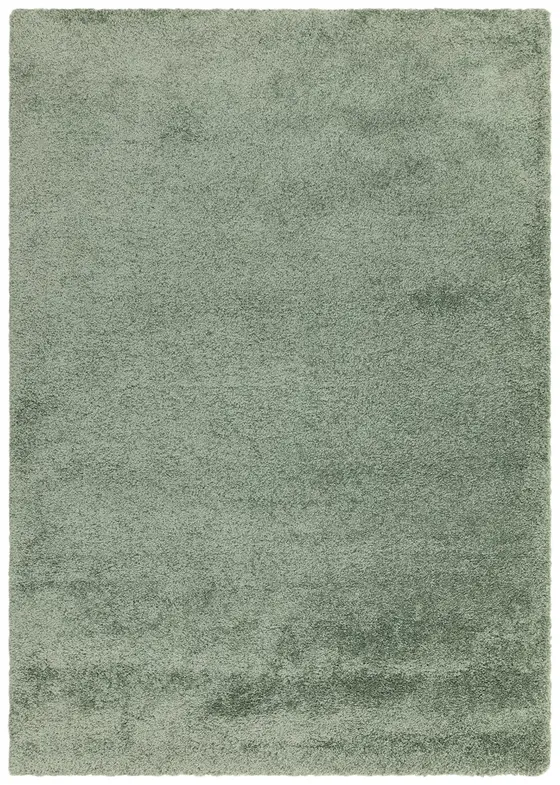
What is pile density?
Pile density describes the number of yarn tufts packed into each square metre of a rug's surface. It is calculated from the number of stitches or knots per square centimetre multiplied by the pile height. A dense rug resists matting and footprinting because the fibres support one another. Lower density leaves more space between tufts, allowing the pile to flop and flatten under pressure.
In practice, density matters more than height alone. Two rugs with identical 12 mm pile can perform very differently if one has 80 000 tufts per m² and the other only 40 000. Always check the construction details on product pages for accurate guidance.
Density and foot traffic
For hallways and living rooms choose rugs with higher density. Bedrooms and low-use areas tolerate lower density. Front-legs-on layouts in UK living rooms usually work best with medium-to-high density on a 160x230 cm rug or 200x290 cm rug.
How pile weight is measured
Pile weight is expressed in grams per square metre (gsm). It tells you how much fibre sits above the backing. A 1 200 gsm rug contains twice the material of a 600 gsm rug of the same size. Higher weight usually improves durability and comfort under bare feet.
Weight and density are related but not identical. A tall, loose pile can have high weight yet low density and still crush. A short, tight pile can have moderate weight and high density and wear far better. When comparing similar materials, favour higher figures for busy rooms.
Pile density by material
Different fibres behave differently at the same density. Wool is naturally resilient and soil-hiding, making it forgiving even at moderate density. Polypropylene is stain-resistant and water-tolerant but can flatten if the pile is too open. Viscose adds shine but is water-sensitive and prone to marking and crushing.
- Wool rugs at 10–12 mm pile hold their shape well in living rooms.
- Polypropylene shaggy rugs need higher density to avoid matting in high-traffic zones.
- Flatweaves have zero pile height so density is replaced by weave tightness.
See our ranges of wool rugs and polypropylene rugs to compare options side by side.
Low pile versus high pile performance
Low-pile rugs (under 10 mm) are easier to vacuum and keep clean. They suit dining areas where chairs must move freely and 60 cm of rug must extend beyond the table on all sides. High-pile rugs (over 25 mm) feel luxurious but require more care and are best kept away from dining chairs.
High-low or carved designs combine both heights for pattern definition without sacrificing too much practicality. These work well in modern living rooms on a living room rug.
Choosing the right density for your room
Measure first. In most rooms leave 30–60 cm of floor visible around the rug edges. In small rooms 20 cm is enough. Under a bed allow 50–60 cm to show on each side. For a three-seater sofa a 200x290 cm rug in a front-legs-on layout is the usual choice outside compact spaces.
Use this quick checklist:
- Identify the main traffic flow.
- Decide on low, medium or high pile based on use.
- Match density and weight to the fibre type.
- Check the stated pile height and construction on the product page.
- Confirm the rug size suits the furniture layout.
Plain designs in neutral tones hide vacuum marks better than bold patterns in deep pile.
Maintenance and longevity
Higher-density rugs generally last longer but still need regular care. Rotate every six months to even out wear. Vacuum with a suction-only cleaner on high pile to avoid damaging the fibres. Spot-clean spills immediately; viscose and jute in particular dislike water.
Hand-tufted rugs have a glued backing. Machine-woven polypropylene rugs can usually be cleaned more vigorously. Always follow the care instructions listed on each product page.
| Pile height | Typical density | Best rooms | Maintenance level |
|---|---|---|---|
| Under 10 mm | High | Dining, halls | Low |
| 10–20 mm | Medium to high | Living, bedrooms | Medium |
| Over 30 mm | Medium | Low-traffic bedrooms | High |
Our thick and deep pile rugs and low pile rugs illustrate the practical differences in real homes.
Frequently asked questions
Does higher pile density always mean a better rug?
Not always. Higher density improves durability and pattern clarity but can feel firmer. Softer lower-density rugs may suit bedrooms where comfort matters more than heavy wear. Match density to room use and fibre type for best results.
What pile density is best for a family living room?
Medium to high density with 10–15 mm pile works best. Wool or good-quality polypropylene resists crushing from daily foot traffic. A 160x230 cm or 200x290 cm size with front legs on the rug is the usual layout.
How does pile weight affect how a rug feels underfoot?
Higher weight adds cushioning and helps the rug lie flat. Very low-weight rugs can feel thin even with tall pile. Aim for at least 800 gsm for living areas and over 1 200 gsm for deeper comfort in low-traffic rooms.
Can you tell pile density from a photo?
Not reliably. Photos show height and colour but not how tightly the fibres are packed. Always read the construction details on the product page which list pile height, material and construction method.
Is a high pile rug suitable under a dining table?
Usually not. Tall pile makes chairs unstable and traps crumbs. Choose low-pile or flatweave rugs that extend 60 cm beyond the table on every side so chairs remain fully on the rug when pulled out.
Shop the guide
-
 Atlas Shaggy Rug in Emerald Green
from £59.98
-
 Atlas Shaggy Rug in Gunmetal Grey
from £59.98
-
 Atlas Shaggy Rug in Natural
from £59.98
-
 Atlas Shaggy Rug in Navy Blue
from £59.98
Shop all thick & deep pile rugs
Related guides
- Cut pile rugs explained
- Tencel rugs: sustainable fibre explained
- Seagrass rugs explained
- Rug edges explained: binding, overlocking and fringes
- Rug pile heights explained
- All rug guides
Questions about a specific rug? Every product page lists the maker's size, material, pile height and care details. Delivery is free and tracked to England, Wales and mainland Scotland, and you have 14 days to change your mind. See delivery and returns.