
New Zealand wool rugs explained
New Zealand wool is used in many premium rugs because its fibres are longer and stronger than most other wools. This produces rugs that recover from foot traffic and furniture weight. It also hides everyday soil effectively and is less flammable than many synthetic fibres. These traits make it a practical choice for living rooms and high-use areas where durability and appearance retention matter.
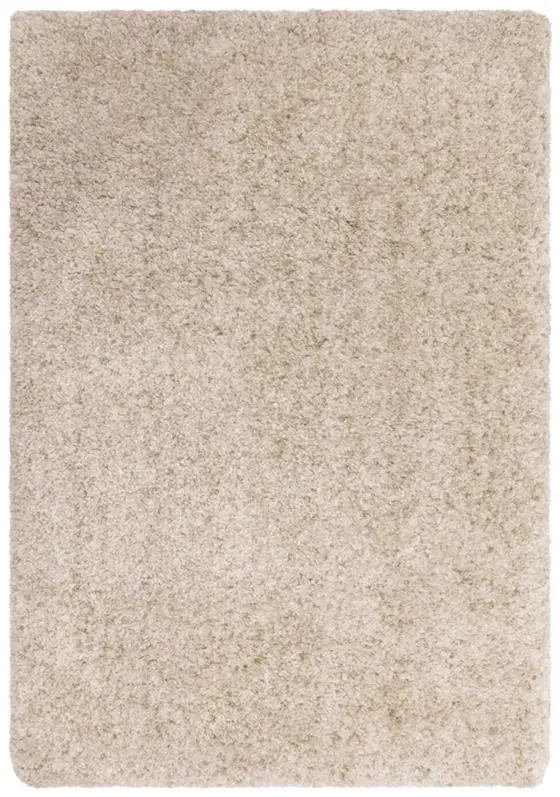
What makes New Zealand wool different
New Zealand wool comes from sheep breeds raised on the country's pastures. The climate and selective breeding produce longer staple fibres with a natural crimp that gives rugs spring and recovery. This differs from shorter-fibre wools that can mat or wear faster. In rug construction the longer fibres hold tufts more securely, reducing shedding over time compared with some lower-grade wools.
When combined with hand-tufted or hand-woven methods the wool creates a dense, even pile that feels soft underfoot yet stands up to regular use. Product pages list exact fibre content, pile height and construction so you can match the rug to your room's traffic level.
Practical advantages in the home
New Zealand wool rugs resist flattening better than polypropylene or viscose alone. The natural crimp lets crushed areas bounce back once pressure is removed. They also hide dirt well because the fibre's slight natural oils and textured surface trap particles between fibres rather than letting them sit on top. Regular vacuuming lifts most soil.
Relative to synthetics, wool is less prone to melting under heat sources such as radiators. It is also naturally flame-resistant, though never left near open flames. In UK living rooms a 160x230 cm rug or 200x290 cm rug placed front-legs-on under a three-seater sofa typically leaves 30-60 cm of floor visible around the edges. The wool pile handles daily movement.
Comparison with other materials
Wool and viscose blends add shine but the viscose portion is water-sensitive and can watermark. Pure wool avoids this risk in homes with children or pets. Polypropylene tolerates spills better yet can crush in high-traffic zones. Jute dislikes water; wool offers a softer feel. For exact performance always check the care instructions on each product page.
Construction methods using New Zealand wool
Most New Zealand wool rugs sold in the UK are hand-tufted. A backing is stretched on a frame, the wool is punched through with a gun, then latex glue secures the tufts. This produces a dense pile. Hand-knotted versions tie each knot individually for greater longevity but take far longer to make. Flatweave wool rugs have no pile and suit dining areas where chair movement is constant.
Pile heights usually range from 8 mm to 12 mm in the rugs listed. Lower piles suit dining rooms so chairs sit level; deeper piles feel luxurious in bedrooms or living rooms. A wool rug with approximately 10 mm pile balances comfort and practicality for most families.
Choosing the right size and layout
Leave 30-60 cm of floor showing around the rug in average rooms, or 20 cm in small rooms. Under a dining table allow 60 cm beyond each side so chairs remain on the rug when pulled out. For beds, position so 50-60 cm shows on either side.
A three-seater sofa usually pairs with a 200x290 cm rug in larger living rooms or 160x230 cm in compact spaces using the front-legs-on layout. Runners 60-80 cm wide work in hallways where wool's soil-hiding nature reduces visible marks from shoes.
Care and maintenance tips
Vacuum regularly with a beater-bar-free head on low suction to avoid pulling tufts. Rotate the rug every six months to even out wear. Deal with spills immediately by blotting with a clean cloth and mild wool detergent; never rub. Avoid steam cleaners on wool-viscose blends as moisture can damage the viscose.
Because wool is naturally resilient, most marks from furniture legs disappear when the item is moved. For long-term protection keep rugs away from direct sunlight to prevent fading.
Common uses and styling
Living rooms benefit from the warmth of a thick wool pile. Geometric or plain designs in neutral tones such as sand, graphite or sage coordinate with modern furniture. In bedrooms a softer hand-woven wool rug adds comfort beside the bed. Dining rooms favour lower-pile or flatweave wool blends that allow chairs to move freely without catching.
Plain wool rugs create calm backgrounds while geometric wool rugs add pattern without overpowering a room. Wool-viscose options introduce subtle sheen for formal spaces but require more careful spill management.
| Room | Recommended pile height | Typical size | Layout tip |
|---|---|---|---|
| Living room | 9-12 mm | 160x230 cm or 200x290 cm | Front legs of sofa on rug |
| Dining room | 6-8 mm | 200x290 cm or larger | 60 cm beyond table on all sides |
| Bedroom | 8-10 mm | 200x290 cm | 50-60 cm visible each side of bed |
| Hallway | 6-8 mm | Runner 66x200 cm | Full length coverage |
Choosing between pure wool and wool-viscose depends on how much shine versus durability you need. Pure wool options such as the Barnaby or Reef ranges offer resilience; blends such as Enigma or Matrix add lustre at the cost of extra care around liquids.
Frequently asked questions
Is New Zealand wool better than other types of wool for rugs?
New Zealand wool has longer, stronger fibres with more natural crimp than many other wools. This gives better resilience, soil-hiding ability and recovery from crushing. It performs well in hand-tufted rugs for UK homes but always check the stated fibre percentage on product pages.
Do New Zealand wool rugs shed?
All wool rugs shed initially as loose fibres work their way out. New Zealand wool tends to shed less over time because of its longer staple length and secure construction. Vacuum regularly in the first months and the shedding will reduce noticeably within weeks.
Can you use New Zealand wool rugs in a dining room?
Yes, provided you choose a lower pile height of 6-8 mm so chair legs sit flat. Allow 60 cm of rug beyond each side of the table so chairs stay fully on the rug when pulled out. Flatweave wool-jute blends are particularly suitable.
How do you clean a New Zealand wool rug?
Blot spills immediately with a dry cloth then use a mild wool detergent diluted in cold water. Never rub. Vacuum regularly without a beater bar. Avoid excessive water on wool-viscose blends.
Are New Zealand wool rugs suitable for homes with pets?
They are a good choice because the fibre hides dirt and recovers from paw traffic. However, nails can pull tufts in hand-tufted rugs so regular nail trimming helps. Choose tighter constructions and vacuum frequently to remove hair and soil.
Shop the guide
-
 Caruso Wool Rug in Brown
from £274.98
-
 Henley Wool & Viscose Rug in Silver
from £169.98
-
 Henley Wool & Viscose Rug in Sand
from £169.98
-
 Henley Wool & Viscose Rug in Sage
from £169.98
Related guides
- Wool Blend Rugs: What the Mix Means
- Tencel rugs: sustainable fibre explained
- Seagrass rugs explained
- Rug pile density and weight explained
- Rug materials explained: wool, jute, viscose, polypropylene and more
- All rug guides
Questions about a specific rug? Every product page lists the maker's size, material, pile height and care details. Delivery is free and tracked to England, Wales and mainland Scotland, and you have 14 days to change your mind. See delivery and returns.