
Wool Blend Rugs: What the Mix Means
A wool blend rug combines wool with other fibres such as viscose or jute to balance softness, resilience and cost. The wool content improves springiness and soil-hiding while the second fibre adds sheen, flatness or affordability.
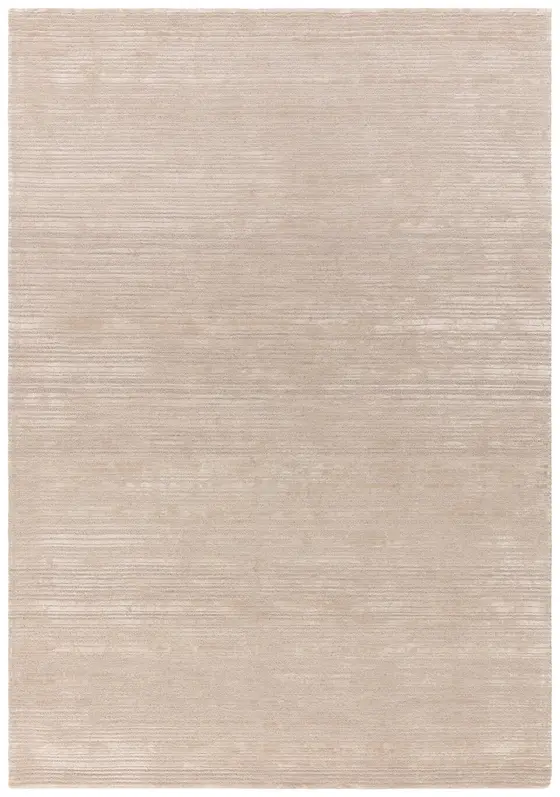
Wool in rugs
Wool comes from sheep fleece and offers natural resilience. It springs back after compression, hides dirt well and feels warm underfoot. Relative to synthetics it also shows better flame resistance. New wool rugs shed for the first few weeks; regular vacuuming removes loose fibres without damaging the pile.
In the UK most wool rugs use New Zealand or British wool. Pile height typically ranges from 8 mm to 15 mm for hand-tufted designs. The fibre absorbs moisture from the air, which can help a room feel less dry in winter, although this also means wool dislikes prolonged damp conditions.
Benefits of pure wool
Pure wool rugs such as the Loxley Wool Rug in Chalk or Metro Wool Rug in Taupe give the highest resilience. They suit homes with children or dogs because footprints and crumbs sit on the surface rather than embedding.
Common wool blends
The two most frequent partners for wool are viscose and jute. Each changes performance in distinct ways.
Wool and viscose
Viscose, also labelled bamboo silk or art silk, is regenerated cellulose. It adds a silky sheen and soft hand feel. Blends such as the Henley Wool & Viscose Rug in Putty and the Enigma Wool & Viscose Rug in Red Multi look luxurious and cost less than pure wool, yet the viscose portion makes them sensitive to water. Spills must be blotted immediately; otherwise watermarks appear.
Pile in wool-viscose rugs is usually 9-12 mm. The blend crushes more easily than pure wool so avoid high-traffic hallways. They work well in low-use living rooms or bedrooms where appearance matters most.
Wool and jute
Jute is a coarse plant fibre. When blended with wool it creates flatweave or low-pile rugs that tolerate foot traffic. The Korra Double Loop Jute Rug in Cream Linen Wool and Korra Loop Jute Rug in Slate Cream Wool are power-loomed at approximately 6 mm pile. The wool content softens the scratchy jute while jute adds structure.
Jute dislikes water. Use these rugs only in dry areas and never in kitchens or bathrooms. The flat construction makes them easier to vacuum and ideal for contemporary or coastal interiors.
Performance differences
Choosing between pure wool, wool-viscose or wool-jute depends on your room and lifestyle. Consider these practical points:
- Resilience: pure wool recovers best from furniture marks; wool-viscose shows crushing sooner.
- Stain resistance: wool hides marks well but absorbs liquids.
- Sheen: viscose adds noticeable lustre that catches light; jute gives a matte natural look.
- Cleaning: all can be vacuumed. Wool-viscose needs professional cleaning for heavy soiling because water-based cleaners risk marks.
For a 3-seater sofa a 200x290 cm rug works in most living rooms, leaving 30-60 cm of floor visible around the edges. In smaller rooms 160x230 cm suffices. Under dining tables choose a size that allows 60 cm clearance on all sides so chairs remain on the rug when pulled out.
Choosing the right blend for your home
Match the blend to the room:
- Living room with moderate traffic: wool with viscose for softness and shine. See wool & viscose rugs.
- Family room or hallway: wool-jute flatweave for durability and easy care. Browse wool runners for corridors.
- Bedroom: pure wool or wool-viscose for comfort under bare feet. A rug showing 50-60 cm on each side of the bed gives a balanced look.
- Dining area: low-pile wool-jute or pure wool to keep chair legs stable. Check dining room rugs.
Front-legs-on placement suits most UK living rooms. The rug should extend 15-30 cm beyond each end of the sofa. In small rooms reduce the border to 20 cm.
Hand-tufted wool blends have a glued backing; vacuum without a beater bar on high pile. Flatwoven wool-jute rugs can be shaken outdoors occasionally.
Maintenance and care
Rotate the rug every six months to even out wear. Vacuum at least weekly. For wool-viscose rugs use only dry cleaning methods or specialist cleaners; water can separate the fibres and cause permanent discolouration.
New wool sheds. Use a rubber-edged brush attachment for the first month. Spills on wool should be blotted with a clean cloth and mild detergent solution, then rinsed sparingly. Jute blends must stay dry; blot only and allow thorough air drying.
Check the product page for exact construction and care instructions. Hand-tufted rugs last longer with felted or rubber underlay that prevents slipping and reduces pile crushing.
Popular styles in wool blends
Geometric patterns hide marks effectively. Plain wool-viscose rugs such as the Halo Wool & Viscose Rug in Clay give a calm base for modern rooms. Textured loop designs in wool-jute add interest without high pile. For bedrooms consider softer neutral shades from the plain & textured wool rugs range.
Large sizes remain popular. A 200x290 cm or 200x300 cm rug anchors a seating area. Smaller 120x170 cm rugs work beside a single armchair or in compact bedrooms.
Always read the full specification on the product page. Construction, exact pile height and fibre percentages affect long-term performance.
Frequently asked questions
Is a wool blend rug better than 100% wool?
It depends on your priorities. A wool blend costs less and can add sheen or flatness. Pure wool offers the best resilience and soil-hiding. Wool-viscose blends look luxurious but mark more easily with water. Wool-jute blends suit high-traffic flatweave needs.
Are wool blend rugs suitable for homes with dogs?
Most are. Wool hides dirt and springs back from paw prints. Choose low-pile or flatweave wool-jute for easier vacuuming. Avoid high-viscose blends in very busy areas because crushing shows faster. Regular vacuuming prevents embedded hair.
How do I clean a wool and viscose rug?
Blot spills immediately with a dry cloth. Use only foam-based or professional dry cleaning products. Never soak with water as viscose fibres can watermark or separate. Vacuum regularly with a suction-only head. Professional cleaning is safest for heavy soiling.
Do wool blend rugs shed?
New wool blends shed for the first few weeks. Vacuum frequently with a brushless attachment during this period. After the initial shedding most blends stabilise. Jute blends shed less than high-pile wool-viscose styles.
What size wool blend rug do I need for a 3-seater sofa?
A 200x290 cm rug usually works best with front legs on the rug and 15-30 cm extending past each end. In smaller living rooms a 160x230 cm size leaves the recommended 30-60 cm of floor border. Measure your space before ordering.
Shop the guide
-
 Caruso Wool Rug in Brown
from £274.98
-
 Henley Wool & Viscose Rug in Silver
from £169.98
-
 Henley Wool & Viscose Rug in Sand
from £169.98
-
 Henley Wool & Viscose Rug in Sage
from £169.98
Related guides
- New Zealand wool rugs explained
- How to mix patterned rugs and cushions
- Do wool rugs cause static electricity?
- Cotton vs Wool Rugs: Pros, Cons and Best Uses
- Rug materials explained: wool, jute, viscose, polypropylene and more
- All rug guides
Questions about a specific rug? Every product page lists the maker's size, material, pile height and care details. Delivery is free and tracked to England, Wales and mainland Scotland, and you have 14 days to change your mind. See delivery and returns.