
Hand-loomed rugs: construction and quality
Hand loomed rugs are produced on a loom where a weaver manually passes a shuttle carrying the weft yarns through the warp threads, creating the pattern and structure row by row. This method sits between fully hand knotted and power loomed techniques, delivering consistent texture with moderate labour input. The result is a rug that offers good value, even pile height and fewer irregularities than hand knotted pieces while retaining more character than machine-made alternatives.
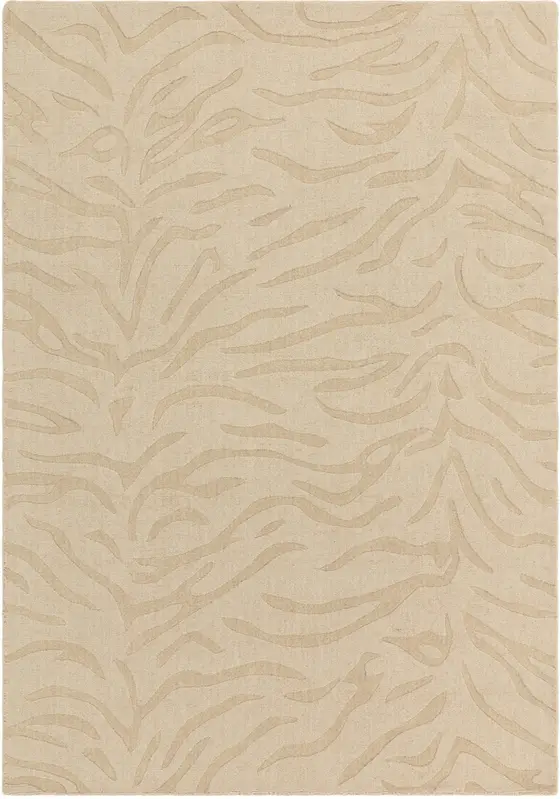
How hand loomed rugs are made
Hand looming begins with vertical or horizontal warp threads stretched tightly on a frame. The weaver uses a shuttle to carry the weft yarn across the width, packing each row down with a beater or comb. Patterns form through changes in colour or weave structure rather than individual knots. This process is faster than hand knotting but slower than power looming, allowing skilled control over tension and density.
Most hand loomed rugs use wool or jute. The construction produces a flatweave or low pile depending on whether extra yarns are inserted for height. Backing is often minimal or absent compared with tufted rugs, which rely on glue to hold the pile.
Types of loom used
Traditional wooden looms operated by foot pedals remain common for smaller runs. Larger workshops may use semi-mechanised looms that still require manual shuttle passing. The width of the loom limits rug size; seams are rare, so most hand loomed rugs come in one piece.
Texture and pile variations
Hand loomed rugs can be flatwoven like kilims or given a short cut pile by inserting loops that are sheared. Boucle textures appear when uncut loops remain. Jute versions often show a natural slubby surface that hides footprints well. Wool hand loomed pieces feel resilient underfoot and recover from compression better than polypropylene.
Compared with handmade rugs, hand loomed examples show less variation in pile height across the surface. This evenness suits rooms with heavy foot traffic where uniformity matters more than unique character.
Comparison with other construction methods
Hand knotted rugs tie each knot individually, creating the highest labour cost and most intricate patterns but also the greatest risk of unevenness. Hand tufted rugs punch yarn through a canvas backing then glue it; they offer thickness at lower cost but can delaminate over time. Power loomed rugs run entirely by machine, producing the lowest price per square metre yet often with stiffer feel and less durability at the edges.
Hand loomed sits in the middle: more character and better edge finish than power loomed, yet more affordable and consistent than hand knotted. For UK living rooms a 160x230 cm rug in hand loomed wool typically gives 15–30 cm overhang past the sofa ends while leaving 30–60 cm of floor visible around the edges.
Materials and performance
Wool hand loomed rugs resist crushing and hide dirt between fibres. Jute versions suit dry areas but mark when wet. Viscose blends add sheen but risk watermarks; they suit bedrooms where spills are unlikely. Recycled polyester hand loomed rugs tolerate moisture better and suit kitchens or dining rooms.
When placing under a dining table choose a size that allows 60 cm extra on all sides so chairs remain on the rug when pulled out. In bedrooms aim for 50–60 cm visible either side of the bed. Wool rugs in hand loomed construction perform well in both locations because the natural fibre recovers shape after pressure.
Value and longevity
Hand loomed rugs cost more than power loomed but less than hand knotted, giving a practical balance. Their tighter weave reduces fraying at the edges compared with tufted rugs that depend on binding and glue. With proper rotation every six months they maintain appearance for years in moderate traffic.
Look for even selvedges, straight ends and consistent pile. A slight variation in weft tension is normal and adds authenticity without affecting wear. Avoid very cheap examples with loose weave; these stretch and lose shape quickly.
Care and maintenance
Vacuum regularly with a suction-only head. Rotate the rug to even out wear. Spot clean wool with mild detergent and minimal water; blot immediately. Jute needs dry methods only. Never use harsh chemicals or steam on viscose blends.
For high-traffic living rooms consider low pile rugs in hand loomed wool. They collect less dust and clean more easily than deep shaggy styles while still providing the natural resilience of wool.
Frequently asked questions
Are hand loomed rugs the same as hand knotted rugs?
No. Hand loomed rugs use a shuttle passed manually through warp threads to create rows of weft. Hand knotted rugs tie each individual knot by hand. The loomed method is faster, produces more consistent texture and usually costs less while still qualifying as handmade.
How long do hand loomed rugs last?
With regular vacuuming and rotation, a good quality wool hand loomed rug lasts many years in normal UK household use. Jute versions suit low-traffic dry areas. Edge binding and weave density affect longevity more than the looming process itself.
Can hand loomed rugs be used under dining tables?
Yes, provided the size allows at least 60 cm extra on every side of the table so chairs stay fully on the rug when pulled out. Low-pile hand loomed wool or jute options clean more easily than high-pile alternatives and resist crushing from chair legs.
Do hand loomed rugs shed?
Wool hand loomed rugs shed lightly as loose fibres work out. This is normal and decreases quickly. Jute and polyester versions shed far less. Vacuuming with a beater bar on low suction speeds the process without damaging the weave.
Are hand loomed rugs suitable for underfloor heating?
Most are. Low-pile hand loomed wool and flatweave jute conduct heat well without insulating the floor. Very thick shaggy hand loomed rugs can reduce efficiency. Check the product page pile height for suitability with underfloor systems.
Shop the guide
-
 Hive Wool Rug in Charcoal
from £169.98
-
 Hive Wool Rug in Pink
from £119.98
-
 Hive Wool Runner in Teal
from £119.98
-
 Hive Wool Rug in Rust
from £169.98
Related guides
- Power-loomed rugs explained
- Hand-knotted rugs: the ultimate guide
- Wool Blend Rugs: What the Mix Means
- Warp and weft: how rug weaving works
- How rugs are made: construction types explained
- All rug guides
Questions about a specific rug? Every product page lists the maker's size, material, pile height and care details. Delivery is free and tracked to England, Wales and mainland Scotland, and you have 14 days to change your mind. See delivery and returns.