
Hand-knotted rugs: the ultimate guide
Hand-knotted rugs are made by tying individual knots by hand into a vertical warp, creating a strong, flexible structure that can last decades with proper care. In the UK they remain a benchmark for quality because each knot is formed and cut individually, producing tighter, more detailed patterns than machine alternatives. Buyers choose them for longevity and the knowledge that skilled artisans have invested time in a single piece.
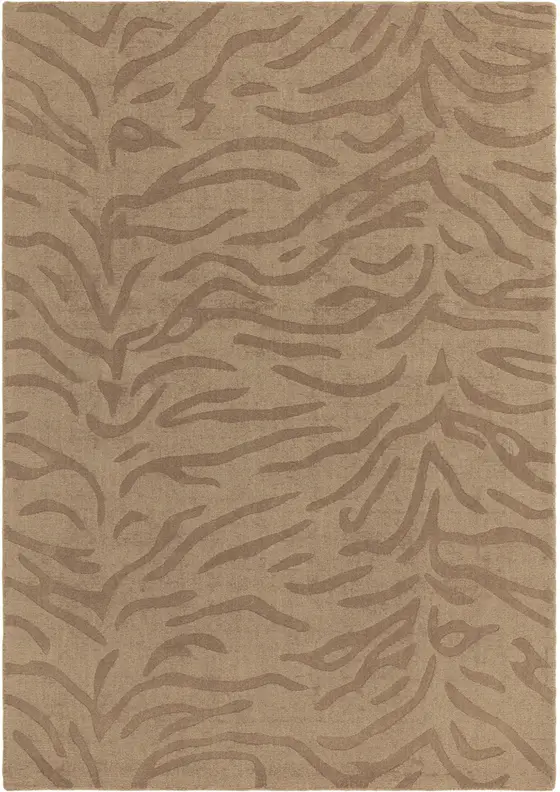
What are hand-knotted rugs?
Hand-knotted rugs are constructed on a loom where vertical warp threads are stretched. The weaver ties short lengths of yarn around two or more warps to form a knot, then passes a weft thread across to secure the row before beating it down tightly. This process is repeated knot by knot, row by row. The resulting pile is trimmed to the desired height. Unlike hand-tufted rugs, which use a gun to insert loops into a canvas backing that is later glued, hand-knotted rugs have knots tied directly into the foundation so the structure itself holds the pile in place.
Common UK sizes for these rugs include 120x170 cm, 160x230 cm and 200x290 cm. In living rooms a 160x230 cm or 200x290 cm rug usually allows 30-60 cm of floor to show around the edges while extending 15-30 cm beyond the front legs of a sofa. Smaller rooms can manage with 20 cm clearance.
Construction techniques
Two main knot types dominate: the Persian (Senneh) knot and the Turkish (Ghiordes) knot. Persian knots are asymmetrical and allow finer detail; Turkish knots are symmetrical and often produce a slightly denser pile. After knotting, the sides are secured with overcast or selvedge edges and the ends finished with a fringe that forms part of the warp. The pile is then washed and sometimes clipped to create an even surface. Because no glue is used in the foundation, these rugs remain flexible and can be rolled for storage or transport.
Wool versus other fibres
Wool is the traditional choice for hand-knotted rugs because its natural crimp gives resilience and soil-hiding properties. It also offers better flame resistance relative to most synthetics. Wool rugs shed when new but stabilise. Viscose is sometimes blended for sheen but is water-sensitive and crushes easily. Pure wool or wool-dominant constructions are preferable for high-traffic UK living rooms.
Durability and maintenance
A well-made hand-knotted wool rug can survive decades of normal household use. The tight knot structure resists shedding compared with hand-tufted rugs that rely on glue. Rotate the rug every six to twelve months to prevent uneven wear in doorways or under furniture. Vacuum with a suction-only cleaner; avoid beater bars that can snap the knots over time.
Spills should be blotted immediately. Wool handles minor accidents better than viscose or jute, but professional cleaning is recommended for deep soiling. In dining areas choose a size that leaves 60 cm beyond the table on all sides so chairs remain on the rug when pulled out. For bedrooms, position so 50-60 cm shows on each side of the bed.
Compared with polypropylene rugs, hand-knotted wool versions are less stain-resistant but far more resilient to crushing and do not melt under heat. Flatweave hand-knotted options such as kilims are even tougher in hallways but lack the cushioning of pile.
Investment value
Hand-knotted rugs hold value better than machine-made or hand-tufted alternatives because labour cannot be replicated by machines. Contemporary UK buyers treat them as long-term furniture rather than disposable décor. A quality 160x230 cm wool hand-knotted rug bought today can be passed to the next generation.
Trade-offs exist. They cost more upfront than polypropylene rugs or basic tufted designs. Production is slower, so choice of ready-made sizes is narrower than machine-made ranges. Yet the combination of durability and craftsmanship usually justifies the price for anyone seeking a centrepiece that improves with age.
Choosing the right size and layout
Use this checklist for living rooms:
- Leave 30-60 cm of bare floor around the rug perimeter (20 cm in small rooms).
- The rug should extend 15-30 cm past each end of the sofa.
- Front-legs-on layout works for most UK sofas; a 3-seater usually pairs with 160x230 cm in compact rooms or 200x290 cm in larger ones.
For dining rooms add at least 60 cm on every side of the table so chairs stay fully on the rug when pulled out. Under beds, 50-60 cm visible on each side prevents the rug from disappearing completely. Runners for hallways are typically 60-80 cm wide.
Hand-knotted vs hand-tufted and machine-made
Hand-tufted rugs are made faster by punching yarn through a backing fabric then applying latex glue. They feel soft initially but the glue can degrade, causing the pile to loosen after years. Machine-made rugs use power looms and synthetic yarns; they are cheaper and more uniform but lack the nuanced texture and longevity of hand-knotted pieces.
Flatweave hand-knotted rugs (kilims) have no pile at all and are extremely hard-wearing for busy areas. If you want both pattern and cushioning, a low-pile hand-knotted wool rug offers the best balance for UK family homes.
Explore our full range of handmade rugs, traditional rugs or living room rugs to compare options. For larger spaces see large rugs or 200x290 cm rugs.
Care checklist
- Vacuum weekly with suction only.
- Rotate every 6-12 months.
- Blot spills immediately; do not rub.
- Have professionally cleaned every 2-3 years.
- Avoid direct sunlight to prevent fading.
Frequently asked questions
How long does it take to make a hand-knotted rug?
A 160x230 cm rug can take a skilled weaver several months of full-time work. Higher knot counts and larger sizes extend this further. The labour cost is the main reason these rugs command higher prices than machine-made or hand-tufted alternatives.
Are hand-knotted rugs suitable for homes with dogs or children?
Wool versions are resilient. The tight knots resist pulling. Spills should be dealt with promptly and the rug rotated regularly. Avoid very high-pile or viscose-heavy rugs if heavy soiling is expected.
Do hand-knotted rugs shed?
Wool hand-knotted rugs shed mostly in the first months as loose fibres are worked out during vacuuming. After this period shedding drops. Regular vacuuming with a suction-only cleaner speeds the process and keeps the rug looking neat.
How can you tell if a rug is truly hand-knotted?
Look at the back. Hand-knotted rugs show clear individual knots and the pattern is mirrored exactly on the reverse. The fringe is usually an extension of the warp threads rather than sewn on. Hand-tufted rugs have a canvas backing covered in glue.
Will a hand-knotted rug work on underfloor heating?
Yes. Wool conducts heat reasonably well and the flexible structure does not trap heat like thick synthetic backings can. Keep the rug relatively low-pile for best performance and always use a non-slip underlay.
Shop the guide
-
 Hive Wool Rug in Charcoal
from £169.98
-
 Hive Wool Rug in Pink
from £119.98
-
 Hive Wool Runner in Teal
from £119.98
-
 Hive Wool Rug in Rust
from £169.98
Related guides
- Hand-loomed rugs: construction and quality
- Wool Blend Rugs: What the Mix Means
- Warp and weft: how rug weaving works
- Tencel rugs: sustainable fibre explained
- How rugs are made: construction types explained
- All rug guides
Questions about a specific rug? Every product page lists the maker's size, material, pile height and care details. Delivery is free and tracked to England, Wales and mainland Scotland, and you have 14 days to change your mind. See delivery and returns.