
Power-loomed rugs explained
Power-loomed rugs are machine-woven on automated looms that produce consistent patterns, uniform pile height and tight construction at a fraction of the cost of handmade rugs. They offer reliable quality for everyday UK homes where even wear and easy care matter more than unique variation. Compared with hand-knotted or hand-tufted rugs, power-loomed versions cost less, show no individual knot irregularities and maintain the same appearance across every size ordered.
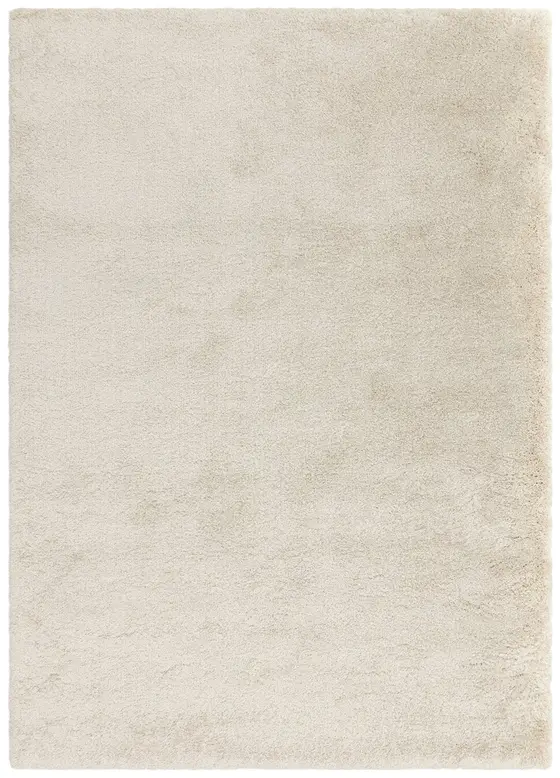
How power-loomed rugs are made
Power looms use computer-controlled machines that feed warp and weft yarns at high speed. Multiple needles or jacquard mechanisms insert pile and backing simultaneously. The process produces exact repeats of the chosen design with no variation between batches. Pile height stays uniform because the machine cuts or loops every tuft to the programmed length.
Most power-loomed rugs have an integrated backing. Common UK sizes such as 160x230 cm and 200x290 cm are produced without stretching or trimming, so edges remain straight and square.
Power-loomed versus handmade
Hand-knotted rugs tie each knot individually around warp threads. The process creates slight irregularities that many buyers value as character. Power-loomed rugs eliminate those variations, giving a cleaner, more graphic appearance suited to modern interiors.
Cost differences explained
Labour accounts for most of the price gap. A skilled weaver may spend many hours on a single hand-knotted rug. Power looms complete the same size far faster. Materials remain similar—wool, polypropylene or polyester—so the saving comes almost entirely from production method rather than cheaper fibres.
Buyers on a budget can therefore choose larger sizes without compromise. A 3-seater sofa usually suits a 200x290 cm front-legs-on layout. Power-loomed construction also keeps runners 60–80 cm wide affordable for hallways and stairs.
Link to practical options: see our polypropylene rugs for the lowest maintenance or wool rugs for natural resilience at still modest prices.
Pattern and colour consistency
Machines repeat the exact design across every rug. This matters when ordering two 120x170 cm rugs for either side of a bed or matching a 160x230 cm living-room rug with a runner. Power-loomed versions arrive identical, simplifying coordination in open-plan UK homes.
Colour penetration is complete because yarns are dyed before weaving. The result is a crisp pattern that looks the same from both sides of a flatweave.
Quality and durability factors
Quality depends on yarn type rather than the loom itself. Polypropylene power-loomed rugs tolerate spills without watermarks, making them practical for kitchens or families with children. Low-pile options suit higher-traffic areas while shaggy styles add softness in quieter rooms.
Pile height affects feel and wear. Low-pile power-loomed rugs (under 10 mm) withstand chair legs and vacuuming without flattening. Shaggy power-loomed rugs feel luxurious but can flatten in doorways. Check the product page for exact pile height, construction and care instructions before purchase.
Examples of reliable performance include the Atlas shaggy rugs in multiple colours. For a neutral living-room option, the Atlas Shaggy Rug in Ivory Cream offers soft pile. Those wanting subtle pattern can consider the Wilder Tiger Rug in Black & Ivory.
Suitable materials for power-loomed rugs
Polypropylene gives the best stain resistance. Wool adds natural soil-hiding and is more flame-resistant relative to synthetics, though it sheds when new. Avoid jute in damp areas or under dining tables where spills are likely.
Blends such as wool and jute combine the softness of wool with the texture of jute. For dining rooms, add at least 60 cm beyond each side of the table so chairs remain on the rug when pulled out. In bedrooms, leave 50–60 cm of floor showing either side of the bed.
Further reading: browse living room rugs, dining room rugs or bedroom rugs filtered by preferred material.
Care and long-term performance
Vacuum regularly with a beater-bar-free head on shaggy styles. Most power-loomed polypropylene rugs can be wiped with a damp cloth. Rotate the rug every six months to distribute wear evenly. Because the backing is woven in, edges rarely fray compared with some glued hand-tufted constructions.
In small rooms, leave at least 20 cm of floor visible around the rug. In larger living rooms, 30–60 cm of exposed floor creates balance. These proportions work equally well with power-loomed or handmade rugs; the advantage of power-loomed is being able to order the exact size needed without custom surcharges.
Shop the full selection via large rugs or narrow by colour with grey rugs and beige & natural rugs.
Frequently asked questions
Are power-loomed rugs as durable as handmade rugs?
Durability depends mainly on the fibre and density, not the production method. A high-density power-loomed wool rug can outlast a loosely knotted hand-made rug in busy hallways. Polypropylene power-loomed rugs resist stains and moisture better than wool handmade options, though they may crush faster under heavy furniture. Always check pile height and construction on the product page.
Why are power-loomed rugs cheaper than hand-knotted rugs?
Machine production removes the hundreds of hours of hand labour required for hand-knotting. The same wool or polypropylene yarns are used, but the speed of power looms allows competitive pricing. Consistency also reduces waste, keeping costs lower while maintaining even quality across every size.
Do power-loomed rugs shed like wool handmade rugs?
Pure wool power-loomed rugs shed initially, though usually less than hand-knotted because the yarn is fixed more securely during high-speed weaving. Polypropylene and polyester power-loomed rugs do not shed.
Can you tell the difference between power-loomed and handmade rugs?
Look at the back. Power-loomed rugs show neat, uniform rows with an integrated woven backing. Hand-knotted rugs reveal individual knots and often a cotton or hemp fringe that is part of the warp. From the front, power-loomed patterns appear sharper and perfectly repeated, while handmade rugs have slight variations in line and colour.
Are power-loomed rugs suitable for dining rooms?
Yes, provided the size allows 60 cm clearance on every side of the table so chairs stay on the rug. Low-pile or flatweave power-loomed polypropylene options clean easily after spills. Avoid thick shaggy styles under dining tables as crumbs become trapped.
Shop the guide
-
 Atlas Shaggy Rug in Emerald Green
from £59.98
-
 Atlas Shaggy Rug in Gunmetal Grey
from £59.98
-
 Atlas Shaggy Rug in Ivory Cream
from £59.98
-
 Atlas Shaggy Rug in Natural
from £59.98
Related guides
- Tencel rugs: sustainable fibre explained
- Seagrass rugs explained
- Rug pile density and weight explained
- Rug edges explained: binding, overlocking and fringes
- Rug materials explained: wool, jute, viscose, polypropylene and more
- All rug guides
Questions about a specific rug? Every product page lists the maker's size, material, pile height and care details. Delivery is free and tracked to England, Wales and mainland Scotland, and you have 14 days to change your mind. See delivery and returns.