
Warp and weft: how rug weaving works
Warp and weft are the two sets of threads that form every woven rug. Warp threads run lengthwise on the loom and provide the structure; weft threads run widthwise and interlace with the warp to create the fabric. In rugs the warp usually determines pile height and overall strength while the weft secures the knots or holds flatweave patterns in place.
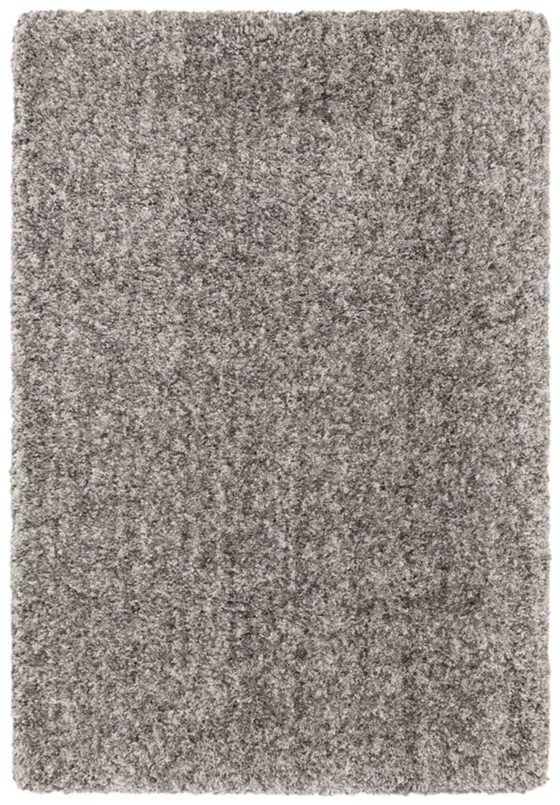
What is warp in a rug
Warp consists of strong, parallel yarns stretched tightly on a loom before weaving begins. These vertical threads bear the tension and support the entire rug. In hand-knotted rugs each knot is tied around two or more warp threads. In flatweaves the warp is visible on the back and forms part of the pattern. Common warp materials include cotton for its stability, wool for resilience in higher-end pieces, and jute or polyester in machine-made rugs.
The spacing between warp threads, known as sett or ends per inch, affects density. Closer warp threads produce a finer, tighter rug that resists wear better but takes longer to weave. Wider spacing creates a coarser look suitable for casual rooms.
Common warp materials and their properties
- Cotton: stable, low stretch, easy to tension evenly.
- Wool: naturally elastic, helps the rug lie flat.
- Polyester: strong, inexpensive, used in many machine-made constructions.
- Jute: natural but dislikes water.
What is weft in rug construction
Weft threads pass over and under the warp from side to side, locking everything together. In pile rugs the weft secures each row of knots and creates the rows that determine pile height. In flatweaves the weft is the visible pattern-bearing thread. Weft is usually thinner and more flexible than warp so it can pack tightly.
After each row of knots or pattern, weavers beat the weft down firmly with a comb. This packing density, called picks per inch, largely decides how well a rug holds its shape and resists fraying at the edges.
Main weaving techniques explained
Rug construction falls into three broad categories, each using warp and weft differently.
Hand-knotted rugs
Individual knots are tied by hand around the warp threads. The weft then locks each row of knots in place. These rugs usually have a cotton or wool warp and weft. Because the pile is formed by the cut ends of the knots, the rug feels luxurious underfoot. See our range of handmade rugs for examples.
Hand-tufted rugs
A tufting gun pushes yarn through a pre-stretched fabric that is held on a frame. The warp and weft here refer to the backing cloth rather than the traditional loom threads. Once complete, a secondary backing is glued on to secure the tufts. This method is faster than knotting and suits thicker piles. Our wool rugs collection includes several hand-tufted designs.
Flatweave and kilim rugs
No pile is formed. The weft is passed over and under the warp in a plain or patterned sequence, creating a thin, reversible textile. Warp threads are often visible on the back. These rugs are hard-wearing in low-traffic areas but offer little cushioning.
Machine-woven rugs
Power looms use multiple warp beams and automated weft insertion. The resulting rugs can imitate hand-knotted looks at lower cost. Polypropylene or polyester yarns are common. Because the loom controls tension precisely, these rugs have very even pile height and edges. Many modern abstract patterns are produced this way; browse our modern rugs to see current styles.
How warp and weft affect pile height and density
Pile height is largely set by how much yarn is left after the weft locks the knot or tuft. Short piles are easier to keep clean, making them practical for dining areas. Longer piles require stronger warp tension to stop the yarn from flopping. Density is the combination of warp spacing and weft beats per row. A dense rug feels firmer and lasts longer in heavy-use living rooms.
Material differences in warp and weft
Different fibres behave differently when used as warp or weft.
- Wool warp and weft give natural spring and soil-hiding ability but the rug will shed slightly when new.
- Polypropylene is water-tolerant and stain-resistant, ideal for kitchens or homes with pets, yet it can flatten under heavy furniture.
- Jute adds texture and a natural look but dislikes damp conditions.
Choosing the right material for both warp and weft therefore depends on the room, expected traffic and how much maintenance you are prepared to do. Wool remains the most resilient overall for high-traffic living rooms while polypropylene suits busy family spaces.
Choosing the right construction for your room
Consider these practical points before buying:
- Measure the space and decide on layout. In most living rooms leave 30-60 cm of floor showing around the rug. A 160x230 cm or 200x290 cm rug works for front-legs-on placement with a three-seater sofa.
- Under a dining table allow 60 cm on every side so chairs remain on the rug when pulled out.
- For bedrooms the rug should show about 50-60 cm either side of the bed.
- High-traffic areas benefit from low-pile or flatweave constructions that hide dirt and recover from crushing.
- If you prefer softness underfoot, look for hand-tufted wool with a moderate pile.
Check the product page for exact pile height, construction method and care instructions. All our rugs come with free tracked delivery to England, Wales and mainland Scotland and you have 14 days after delivery to change your mind.
Understanding warp and weft helps you read between the lines of any rug description and select a piece that will perform well for years.
Frequently asked questions
What is the difference between warp and weft in a rug?
Warp threads run lengthwise on the loom and provide the main structure. Weft threads run across the width, locking the knots or pattern in place. Warp usually carries more tension while weft determines how tightly the rows are packed.
Does warp and weft affect rug durability?
Yes. Closer warp spacing and tighter weft packing produce a denser rug that resists wear and keeps its shape. Looser constructions may look softer initially but can flatten or fray faster in busy areas.
Are hand-knotted rugs always better than machine-made?
Not necessarily. Hand-knotted wool rugs offer unique character and longevity but cost more. Well-made machine-woven polypropylene or polyester rugs can be more stain-resistant and practical for families with children or pets.
Can I use a flatweave rug in a dining room?
Yes, provided you choose a hard-wearing natural fibre such as jute or wool. Flatweaves are easy to clean and do not trap crumbs, but they offer little cushioning so some people add a felt pad underneath.
How do I know if a rug is hand-tufted or hand-knotted?
Check the backing. Hand-knotted rugs show individual knots on the reverse; hand-tufted rugs have a glued fabric backing. Product pages state the construction method clearly.
Shop the guide
-
 Hive Wool Rug in Charcoal
from £169.98
-
 Hive Wool Rug in Pink
from £119.98
-
 Hive Wool Runner in Teal
from £119.98
-
 Hive Wool Rug in Rust
from £169.98
Related guides
- Rug glossary: terms from abrash to weft
- Green rugs: which shade works with your sofa and walls
- Wool Blend Rugs: What the Mix Means
- Tencel rugs: sustainable fibre explained
- What size rug do I need? A room-by-room guide
- All rug guides
Questions about a specific rug? Every product page lists the maker's size, material, pile height and care details. Delivery is free and tracked to England, Wales and mainland Scotland, and you have 14 days to change your mind. See delivery and returns.