
Are outdoor rugs slip resistant when wet?
Most outdoor rugs made from polypropylene or recycled polyester offer decent slip resistance when wet, but performance varies by surface texture, backing and the specific UK conditions. Flatwoven or low-pile designs with a grippy latex or rubberised backing usually perform best on decking and patio slabs after rain. Always check the care label and test in your own garden, as no rug is completely slip-proof on every wet surface.
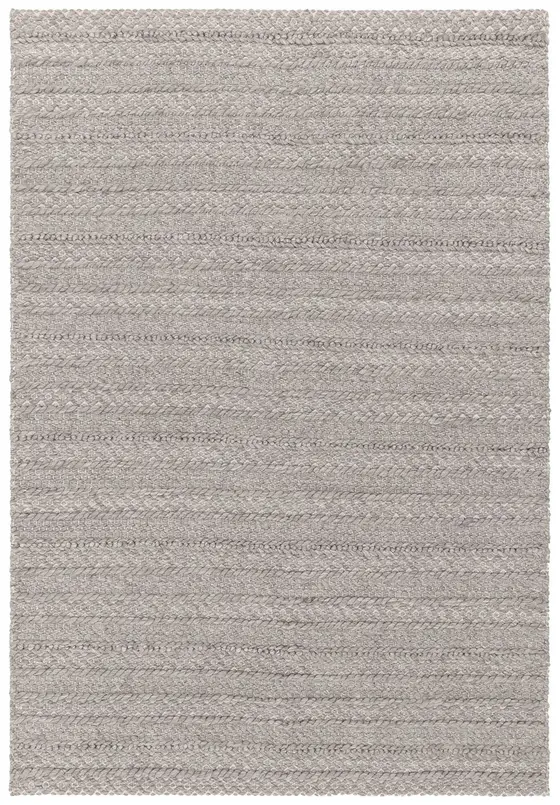
How materials affect grip on wet surfaces
Polypropylene and recycled polyester (often labelled as performance yarn or PET) are the most common fibres in outdoor rugs. They resist water absorption so the surface does not become sodden and heavy. A textured or slightly raised pattern improves traction compared with a completely smooth flatweave.
Wool or wool-viscose blends absorb moisture and can feel slippery until they dry; they are rarely the best choice for permanent outdoor use in the UK. Jute and sisal dislike prolonged damp and can become slippery or stained.
For better safety on wet decking choose polypropylene rugs with a rubberised backing. These stay firmer underfoot than rugs with only a glued felt backing.
UK weather, decking and patio performance
British rain is rarely tropical but decks and porcelain tiles become very slick after showers. A rug can reduce slip risk by providing texture, yet it can also create a trip hazard if it lifts or moves when wet. On timber decking the rug needs good drainage so water does not pool underneath.
Leave 30-60 cm of deck or slab visible around the rug edges. This gives a safe transition zone and reduces the chance of the rug curling at the corners when damp. In smaller gardens 20 cm clearance may be enough.
Choosing the right outdoor rug for safety
Look for these practical features:
- Low pile height (under 10 mm) or flatweave construction for stability
- Rubberised or heavy latex backing that grips wet surfaces
- Textured surface pattern rather than smooth
- UV-stable fibres that will not break down in sunlight and rain
Popular sizes for patios are 160x230 cm or 200x290 cm. Larger rugs are heavier and less likely to shift in wind or light rain. For decking runners 60-80 cm wide can define walkways without covering the whole area.
See our full range of outdoor rugs or browse low pile rugs that work well outside.
Maintenance for continued slip resistance
Regular cleaning stops dirt and algae building up, both of which reduce grip. Hose the rug on a slight slope so water drains away quickly. Allow it to dry fully before rolling or storing. In autumn and winter lift and store the rug if it will not be used for weeks; prolonged damp can make even synthetic rugs feel less secure.
Avoid using outdoor rugs on steep slopes or near steps where a slip could be serious. If children or elderly family members use the garden, test the rug when wet by walking on it in normal shoes before leaving it in place.
Common mistakes to avoid
Placing a heavy indoor wool rug outside temporarily is rarely safe once it rains. The fibres absorb water, the backing softens and the rug can slide on wet tiles. Similarly, very cheap polypropylene rugs without a proper backing often curl at the edges after the first heavy shower.
Never assume every rug sold as “outdoor” has identical slip performance. Check the product page for construction details and, where possible, view the actual rug in a garden setting.
Safer alternatives and combinations
Some garden owners use two layers: a thin non-slip mat cut to size beneath a decorative outdoor rug. This adds grip but increases cost and drying time. Others choose smaller mats in high-traffic areas such as outside patio doors.
For a modern look many UK gardens now use modern rugs in neutral tones that blend with stone and timber.
| Surface | Best rug type | Key safety feature |
|---|---|---|
| Timber decking | Flatweave polypropylene | Rubberised backing + drainage gaps |
| Porcelain patio | Low-pile textured | Patterned surface for traction |
| Grass edge | Heavy woven outdoor | Weight to stop movement |
Frequently asked questions
Can I use an indoor rug outside temporarily?
Only in completely dry weather. Most indoor rugs absorb water quickly, become heavy and lose grip. The backing can also break down. It is safer to buy a purpose-made outdoor rug rated for UK damp conditions.
Do rubber-backed outdoor rugs damage decking?
Quality rubber or latex backings rarely damage treated timber or composite decking when used seasonally. Lift the rug every few weeks to allow the deck to dry and sweep away trapped leaves or debris.
How often should I clean an outdoor rug on a patio?
Hose it down every four to six weeks or after heavy rain that leaves visible dirt. Allow the rug to dry completely on a slope before replacing it. This prevents algae that can make the surface slippery.
Are flatweave outdoor rugs safer than shaggy ones when wet?
Yes. Flatweave or low-pile rugs have less surface area to hold water and usually sit flatter. Shaggy outdoor rugs can hold moisture at the base and feel less secure underfoot.
Will wind lift my outdoor rug on a wet deck?
A larger, heavier rug (160x230 cm or above) is less likely to lift. Rubber-backed designs also grip better. In very exposed gardens, use discreet fixing clips designed for decking.
Shop the guide
-
 Coventry Outdoor Rug in Beige
from £468.99
-
 Grayson Outdoor Rug in Grey
from £179.98
-
 Grayson Outdoor Rug in Cream
from £179.98
-
 Colores Cloud Gardenia CO01 Outdoor Rug in Multicoloured
from £69.98
Related guides
- Why does my rug smell after getting wet?
- Garden room rug ideas: weather-resistant indoor-outdoor styles
- Can rugs go on wet floors?
- Runner vs Rug: When to Use Each in Your Home
- Outdoor rugs: how to choose and care for them
- All rug guides
Questions about a specific rug? Every product page lists the maker's size, material, pile height and care details. Delivery is free and tracked to England, Wales and mainland Scotland, and you have 14 days to change your mind. See delivery and returns.