
Runner vs Rug: When to Use Each in Your Home
A runner is a long, narrow rug designed for hallways, stairs and corridors, typically 60-80 cm wide and at least 200 cm long. A rug is a broader floor covering that comes in many shapes and sizes for living rooms, bedrooms and dining areas. Choose a runner when you need to protect a narrow traffic path; choose a rug when you want to anchor furniture or define a larger space.
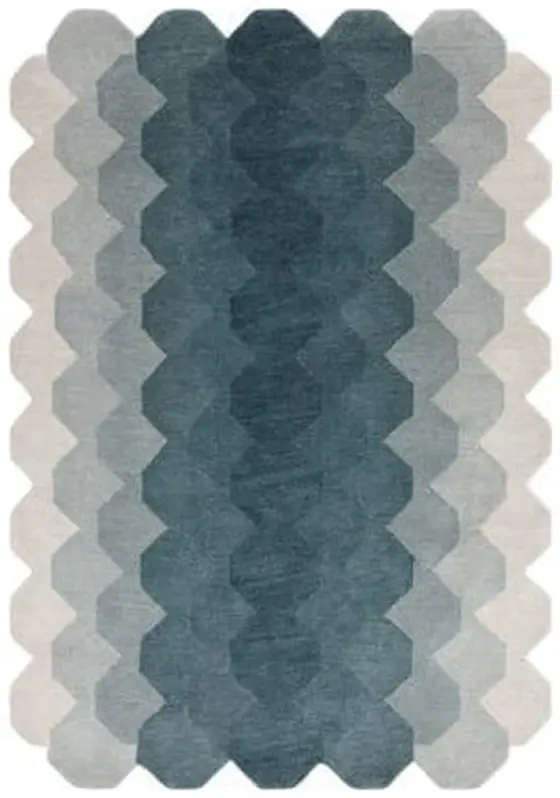
Size and shape differences
Hallway runners are long and narrow to fit the proportions of corridors. Common widths are 60-80 cm, with lengths starting from around 200 cm. Standard rugs are rectangular and start from 80x150 cm upwards, with popular living-room sizes including 160x230 cm and 200x290 cm.
In small rooms leave about 20 cm of floor visible around the edges. In most rooms aim for 30-60 cm of exposed floor to frame the rug. This rule keeps the space balanced and prevents the rug from looking wall-to-wall.
Runner dimensions in practice
- Hall and landing: 70x240 cm or 70x300 cm leaves comfortable clearance at each end.
- Stair runner: cut to the exact width of the tread plus a small overlap on the riser.
- Bedside runner: 60x220 cm placed alongside a bed works for many UK bedrooms.
Browse all runners to see the full range of widths and lengths available.
Placement rules for each
Place a runner in any narrow, high-traffic route. In a hallway the runner should run the full length with 10-15 cm of floor showing on both long sides and at least 15 cm at each end. On stairs the runner sits centrally with equal gaps on left and right.
Use a general rug to anchor furniture. In living rooms the front-legs-on layout is most common in UK homes: the rug extends 15-30 cm past each end of the sofa. A 3-seater sofa usually pairs with a 200x290 cm rug in larger rooms or a 160x230 cm rug in smaller ones. Under dining tables allow 60 cm on every side so chairs remain fully on the rug when pulled out. For bedrooms the rug should extend 50-60 cm beyond each side of the bed.
See living room rugs sized for typical UK sofas and layouts.
Purpose and everyday function
Runners protect narrow pathways from wear and add grip underfoot. They also reduce noise on hard floors and create a visual guide down a corridor. General rugs define zones: a large rug under seating makes the living area feel pulled together; a smaller rug beside the bed keeps feet off cold flooring first thing in the morning.
Hallway runners need to be durable because foot traffic is concentrated in a small area. Living-room rugs must accommodate furniture legs without crushing and should be easy to vacuum around sofas and tables.
Wool rugs offer natural resilience for both uses, while polypropylene rugs suit homes that need quick clean-ups.
Material trade-offs
Wool is resilient, flame-resistant relative to synthetics and hides everyday soil well, yet it sheds when new. Viscose (sometimes labelled bamboo silk) gives a soft shine but marks easily with water and crushes under pressure. Polypropylene tolerates spills and is simple to maintain but can flatten over time and is not suitable near heat sources. Jute is a plant fibre that dislikes water and can show marks; sisal is harder-wearing though coarser under bare feet.
For a hallway choose stain-resistant polypropylene or hard-wearing wool. In living rooms a wool and viscose blend can give luxurious feel where spills are less likely. Bedrooms often suit low-pile or flatweave options that are easier to keep clean.
See the modern runners collection for contemporary hallway styles and large rugs for living and dining spaces.
Hallway runners in detail
Long hallway runners are sold in fixed widths of 60-80 cm and lengths that suit typical UK terraces and semis. A 70 cm wide runner leaves enough clearance on both sides of most halls while still feeling generous. Wool runners add warmth and softness underfoot; polypropylene versions cope better with wet shoes and muddy paws.
Look for low to medium pile in hallways so doors clear easily and the surface stays flat. Hand-tufted constructions have a glued backing that needs careful handling during fitting; flatweaves need no additional gripper.
Shop long hallway runners for sizes up to 400 cm.
Choosing the right one for your home
Measure the space first. For a hallway note the narrowest point and subtract 15 cm total width to leave breathing room. In living rooms measure the seating area and add 15-30 cm beyond the sofa legs. Under a dining table add 60 cm on all sides for chair movement.
Consider traffic, pets and cleaning habits. High-traffic halls benefit from polypropylene or tightly woven wool. Rooms with children or dogs suit low-pile or flatweave rugs that hide marks and clean easily.99.
Check the product page for exact pile height, construction method and care instructions before buying. A quick vacuum keeps most rugs looking fresh.
| Area | Recommended Type | Typical Size | Key Benefit |
|---|---|---|---|
| Hallway | Runner | 70x240 cm to 70x350 cm | Protects traffic path |
| Living room | General rug | 160x230 cm or 200x290 cm | Anchors furniture |
| Dining room | General rug | Table size + 120 cm | Chairs stay on rug |
| Bedroom | General rug or bedside runner | 200x290 cm or 60x220 cm | Warm landing area |
The grey runners and wool runners ranges give practical hallway solutions that also look smart.
Frequently asked questions
Can I use a runner in a living room?
Yes. Narrow runners work well beside a bed, along a kitchen island or as a decorative strip in a long, narrow living space. They are not a replacement for a full-size living-room rug that sits under the sofa.
How much floor should show around a rug?
Leave 30-60 cm of floor visible around most rugs. In small rooms reduce this to 20 cm. This border frames the rug and stops it from looking like fitted carpet.
Are wool runners better than polypropylene for hallways?
Wool offers better resilience and soil-hiding but needs more careful cleaning. Polypropylene tolerates spills and mud better and is easier to maintain, making it practical for busy family hallways.
What size runner do I need for a 3 metre hallway?
A 70x280 cm or 70x300 cm runner allows 10-15 cm clearance at each end and on both sides. Measure the exact width of your hall and subtract 15-20 cm total to keep the runner centred.
Do I need underlay with a runner?
A non-slip underlay or gripper tape is recommended on hard floors to stop the runner moving. On carpet, a thin underlay can add comfort but is not essential.
Shop the guide
-
 Luca Rug in Sage Green
from £89.98
-
 Lila Rug in Tan & Brown
from £89.98
-
 Korra Loop Jute Rug in Slate Cream Wool &
from £99.98
-
 Korra Loop Jute Rug in Linen Cream Wool &
from £99.98
Related guides
- Why does my rug smell after getting wet?
- Spring Rug Refresh: Update Your Home for the New Season
- Small Rug Uses: 15 Smart Ways to Use Small Rugs in UK Homes
- Choosing a Rug When You Have Cats
- How to clean a wool rug at home
- All rug guides
Questions about a specific rug? Every product page lists the maker's size, material, pile height and care details. Delivery is free and tracked to England, Wales and mainland Scotland, and you have 14 days to change your mind. See delivery and returns.