
Can rugs go on wet floors?
Most rugs should not be placed on wet floors. Water can damage the backing, cause mould or leave permanent marks, especially on natural fibres. Wait until the floor is completely dry before laying any rug; polypropylene rugs are the most tolerant if minor dampness remains.
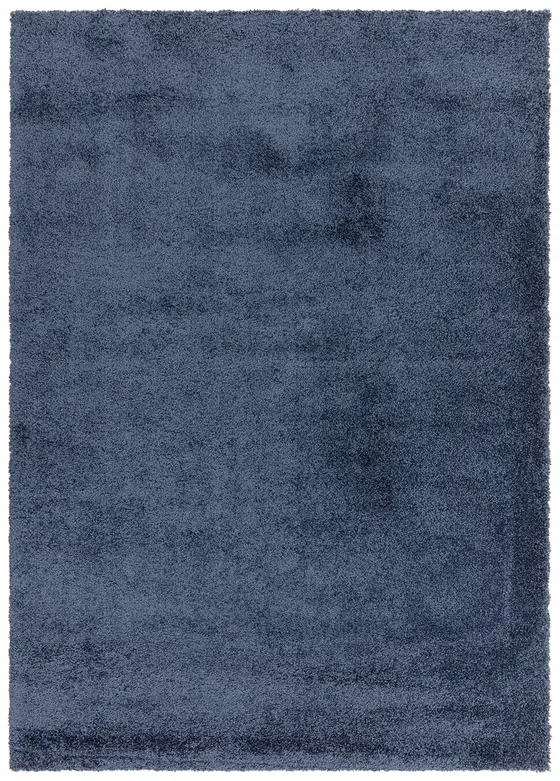
Material risks on damp floors
Wool rugs are resilient and soil-hiding but dislike prolonged moisture. Excess water can lead to mildew or a musty smell. Viscose (including bamboo silk or art silk) is particularly vulnerable: it marks easily, crushes when wet and can develop water spots that will not come out.
Jute is a plant fibre that dislikes water and can mark. Polypropylene rugs tolerate water far better and are easier to keep clean, making them suitable for kitchens or bathrooms where floors may stay damp longer. Recycled polyester rugs behave similarly to polypropylene.
Always check the product page for material, pile height and care instructions before buying.
Floor types and drying times
Sealed tiles or vinyl can dry within an hour after mopping in a warm room. Timber floors need longer; engineered wood or laminate must be bone-dry to prevent swelling under the rug. Concrete subfloors in older UK properties can hold moisture for days.
Use the back-of-hand test: if the floor feels cool or damp to the touch, leave the rug rolled up. In small rooms allow at least 20 cm of exposed floor around the edges; in larger living rooms keep 30-60 cm clear so air can circulate.
Best rug types for kitchens and bathrooms
Polypropylene rugs are the safest choice near sinks or showers. They resist stains and recover well from occasional splashes. Low-pile or flatweave constructions also dry faster than deep shaggy rugs.
For living rooms or bedrooms choose wool rugs once the floor is fully dry. Wool’s natural resilience helps it return to shape, and many modern wool designs suit a front-legs-on layout with a 160x230 cm or 200x290 cm rug under a three-seater sofa.
Kitchen rugs often need frequent cleaning; polypropylene or recycled polyester options cope best with the higher risk of spills.
Preventing damage and mould
Never place a rug on a floor that has been steam-cleaned or flooded until it is completely dry. Lift rugs regularly in damp UK winters to allow airflow. If a rug does get wet, roll it back, dry the floor thoroughly, then air the rug flat in a well-ventilated space away from direct heat.
Hand-tufted rugs have a glued backing that can soften or separate if soaked. Hand-knotted or flatweave rugs without pile are less prone to trapping water but still need dry conditions.
Room-specific advice
In dining rooms ensure a rug extends 60 cm beyond the table on all sides so chairs remain on it when pulled out. For bedrooms position the rug so 50-60 cm shows on each side of the bed. Living-room layouts work best with the front legs of sofas on the rug; a 200x290 cm size suits most three-seater sofas while leaving the recommended border of floor visible.
Living room rugs and bedroom rugs can be wool or wool-viscose blends once floors are confirmed dry. Large rugs need extra care during placement to avoid trapping moisture underneath.
What to do if a spill reaches the floor
Blot immediately with clean towels, then lift the rug and dry the floor before replacing it. Polypropylene options recover quickest. For wool or viscose rugs, professional cleaning may be needed if staining occurs. Check individual product pages for exact care guidance.
| Material | Water tolerance | Best use |
|---|---|---|
| Polypropylene / recycled polyester | High | Kitchens, bathrooms, high-spill areas |
| Wool | Moderate | Living rooms and bedrooms once dry |
| Viscose | Low | Dry areas only; avoid damp floors |
| Jute | Low | Dry, low-traffic rooms |
Frequently asked questions
How long should I wait after mopping before laying a rug?
Wait until the floor is completely dry to the touch and no longer feels cool. This usually takes 1-4 hours on sealed hard floors but can be longer on timber or in cold rooms. Test with the back of your hand.
Can I put a wool rug in a bathroom?
Only after the floor has dried fully and if the room has good ventilation. Wool dislikes prolonged dampness. A polypropylene rug is a more practical choice for bathrooms or en-suites.
Will a damp floor ruin a viscose rug?
Yes. Viscose marks easily with water and the marks are often permanent. Keep viscose rugs for dry living rooms or bedrooms and always confirm the floor is bone-dry first.
Do flatweave rugs cope better with damp floors?
Flatweaves have no pile so they dry faster and are less likely to trap moisture. However, natural fibre flatweaves such as jute still dislike water and can develop marks.
What size rug is safest in a kitchen?
Choose a size that leaves 30-60 cm of floor showing around the edges for airflow. A 120x170 cm or 160x230 cm polypropylene rug works well in most UK kitchens and is easy to lift and clean.
Shop the guide
-
 Atlas Shaggy Rug in Emerald Green
from £59.98
-
 Atlas Shaggy Rug in Gunmetal Grey
from £59.98
-
 Atlas Shaggy Rug in Ivory Cream
from £59.98
-
 Atlas Shaggy Rug in Natural
from £59.98
Related guides
- Rugs on vinyl and LVT floors: what to check
- Why does my rug smell after getting wet?
- How Long for New Rug Smell to Go Away?
- Can a rug damage a wooden floor?
- Outdoor rugs: how to choose and care for them
- All rug guides
Questions about a specific rug? Every product page lists the maker's size, material, pile height and care details. Delivery is free and tracked to England, Wales and mainland Scotland, and you have 14 days to change your mind. See delivery and returns.