
Garden room rug ideas: weather-resistant indoor-outdoor styles
Garden room rugs need to handle UK humidity, condensation and temperature changes while still feeling comfortable underfoot. The best options are made from polypropylene, recycled polyester or other synthetic fibres that tolerate moisture. Pair a low-pile or flatweave style in neutral tones with your outdoor furniture to create a seamless indoor-outdoor feel that stays practical year-round.
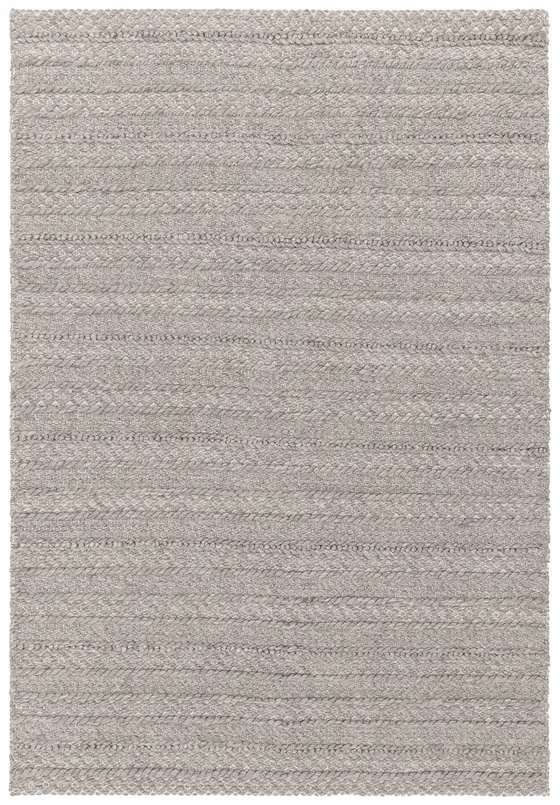
Choosing the right materials for garden rooms
Humidity and temperature swings in garden rooms make natural fibres such as wool or jute risky. Wool can hold moisture, while jute dislikes water and can mark. Instead, look for polypropylene or recycled polyester rugs. These fibres resist water and dry quickly.
Polypropylene is stain-resistant and tolerates occasional spills. Recycled polyester versions add a softer hand feel while remaining durable. Avoid viscose blends here; they mark with water and crush easily.
When selecting, check the product page for material, pile height and care instructions. Low pile heights (under 10 mm) are easier to keep clean with regular vacuuming.
Performance yarns explained
Many modern outdoor rugs use solution-dyed yarns where colour is added before the fibre is formed. This makes the colour more resistant to fading from sunlight. Sustainable options made from recycled plastic bottles also reduce environmental impact.
Sizing and layout for garden rooms
Follow the same rules as indoor rooms but allow slightly more border. Leave 30-60 cm of floor visible around the edges in most garden rooms so the rug does not sit against damp walls. In smaller rooms, 20 cm is often enough. For seating areas, choose a size that extends 15-30 cm beyond each end of sofas or chairs.
Common UK sizes that work well include 160x230 cm for compact garden rooms and 200x290 cm or 200x300 cm for larger layouts. Runners 60-80 cm wide suit narrow paths between planting and seating.
Under dining tables, add at least 60 cm on every side so chair legs remain on the rug when pulled out. This prevents tipping and protects the floor from scratches.
Style and colour choices
Neutral shades such as grey, beige, cream and taupe blend indoor and outdoor spaces best. They hide foot traffic and pollen better than bold patterns. Subtle abstract or geometric designs add interest without overwhelming a glass-walled room. Plain textured rugs also work well.
For a pop of colour, consider soft blues or greens that echo garden planting. These tones appear in many modern abstract ranges.
Browse all outdoor rugs or view beige and natural rugs that suit garden rooms particularly well.
Practical maintenance tips
Vacuum regularly with a beater-bar-free cleaner to avoid damaging the backing. Most synthetic garden room rugs can be wiped with a damp cloth and mild detergent. Allow complete drying before replacing furniture to prevent trapped moisture.
Rotate the rug every few months to even out wear from doors or high-traffic zones.
Check care labels on each product page. Machine-woven polypropylene options are usually the most straightforward to maintain.
Blending indoor comfort with outdoor durability
The latest indoor-outdoor rugs combine soft feel with weather tolerance. Look for power-loomed or machine-woven constructions that stay flat without curling at the edges. Some recycled polyester rugs feel close to wool under bare feet yet survive damp conditions that would ruin natural fibres.
Layering is possible in larger garden rooms. Place a low-pile outdoor rug as the base and add a smaller washable mat in frequently used seating spots. This gives extra cushioning while keeping the main rug protected.
See polypropylene rugs, modern and abstract designs or plain and textured rugs for options that cross easily between indoor and garden room use.
Best rug sizes for typical garden rooms
A 160x230 cm rug suits smaller spaces with one seating area. Larger 200x290 cm or 200x300 cm rugs work for rooms that include both seating and dining. Measure your floor space and mark the proposed rug area with tape before ordering to confirm proportions.
Remember to account for any sloping floors or steps. In rooms with bi-fold doors, position the rug so it does not block the threshold when doors are open.
| Room type | Recommended size | Layout tip |
|---|---|---|
| Compact garden room | 160x230 cm | Front legs of sofa on rug, 30 cm border |
| Medium garden room | 200x290 cm | All seating on rug, 45 cm border |
| Large orangery | 200x300 cm or larger | Separate seating and dining zones |
Shopping the right outdoor collection
Focus on machine-made synthetic rugs labelled for outdoor or indoor-outdoor use. These tolerate the rapid changes in temperature and humidity typical of UK garden rooms far better than hand-tufted wool or viscose designs. Always read the full specification on the product page before purchase.
Popular choices include neutral geometric patterns that echo both modern interiors and garden foliage. Grey, cream and taupe tones remain the most practical for hiding everyday marks from garden use.
Frequently asked questions
Can I use a normal indoor rug in my garden room?
Standard indoor rugs made from wool or viscose are not recommended. They absorb moisture from condensation. Choose polypropylene or recycled polyester rugs designed for indoor-outdoor use instead.
How do I stop my garden room rug from fading in sunlight?
Select solution-dyed synthetic fibres where colour is built into the yarn before it is spun. These resist UV fading better than rugs dyed after manufacture. Position the rug away from south-facing glass where possible and rotate it regularly.
What is the best pile height for a garden room rug?
Low pile (under 10 mm) or flatweave styles perform best. They collect less dirt, dry faster after damp weather and are easier to vacuum. Medium pile can work if the fibre is 100% polypropylene but will need more frequent cleaning.
Are outdoor rugs comfortable enough for year-round garden room use?
Modern recycled polyester and performance polypropylene rugs feel soft underfoot while remaining durable. Many mimic the texture of wool yet tolerate moisture. Adding a thin non-slip pad underneath improves comfort on hard floors.
How often should I clean a garden room rug?
Vacuum weekly to remove pollen, dust and grit tracked in from the garden. Wipe spills immediately with a damp cloth. A deeper clean with mild detergent every six months keeps the rug looking fresh. Always allow it to dry completely before replacing furniture.
Shop the guide
-
 Coventry Outdoor Rug in Beige
from £468.99
-
 Grayson Outdoor Rug in Grey
from £179.98
-
 Grayson Outdoor Rug in Cream
from £179.98
-
 Colores Cloud Gardenia CO01 Outdoor Rug in Multicoloured
from £69.98
Related guides
- Utility room rug ideas: practical and washable solutions
- Living room rug ideas for every style and layout
- Large living room rug ideas for spacious UK homes
- Hallway Rug Ideas and Runner Styles for Narrow Spaces
- What size rug do I need? A room-by-room guide
- All rug guides
Questions about a specific rug? Every product page lists the maker's size, material, pile height and care details. Delivery is free and tracked to England, Wales and mainland Scotland, and you have 14 days to change your mind. See delivery and returns.