
Rugs for stairs and landing: styles, sizes and safety tips
Stairs and landing rugs, typically in the form of runners, provide grip underfoot, reduce noise and protect the surface below. The safest options use low-pile wool or polypropylene with a non-slip underlay or backing, while common runner widths of 60-80 cm suit most UK staircases. Always secure the edges and choose flame-resistant materials such as wool for added peace of mind.
Choosing the right materials for stairs and landings
Wool runners offer natural resilience and are relatively flame-resistant compared with many synthetics. They hide dirt well but will shed for the first few months. Polypropylene runners tolerate spills and are easy to keep clean, although they can flatten over time and are not heat-resistant. Avoid viscose on stairs because it marks easily with water and crushes under repeated foot traffic. Jute and sisal provide texture but dislike moisture; sisal wears better on busy landings.
For high-traffic staircases, low-pile constructions reduce trip hazards. Flatweave runners have no pile at all and lie completely flat. Hand-tufted designs have a glued backing that needs checking regularly for wear.
Wool runners remain a favourite for traditional homes, while polypropylene rugs suit families who need quick clean-ups.
Non-slip backings and underlays
A purpose-made stair gripper rod or rubber underlay is essential. Many runners are sold without built-in non-slip; adding a separate underlay prevents movement on both treads and landings.
Runner sizes and layout rules
Standard UK stair runners are 60-80 cm wide. Measure the width of your treads and allow the same margin on each side so the wood or carpet shows evenly. Length depends on the number of steps; add 30 cm extra for each tread and riser to allow for the nosing.
On landings, leave 30-60 cm of floor visible around the rug in most homes, or 20 cm in smaller spaces. A 120x170 cm or 160x230 cm rug often works on a typical landing, placed to cover the main walk-through area. For narrow hallways leading to stairs, long hallway runners provide continuity.
Use this checklist when measuring:
- Record tread depth, riser height and total flight length.
- Decide if the runner covers only the centre or the full width.
- Check clearance at the bottom and top steps to avoid loose edges.
Popular styles for stairs and landings
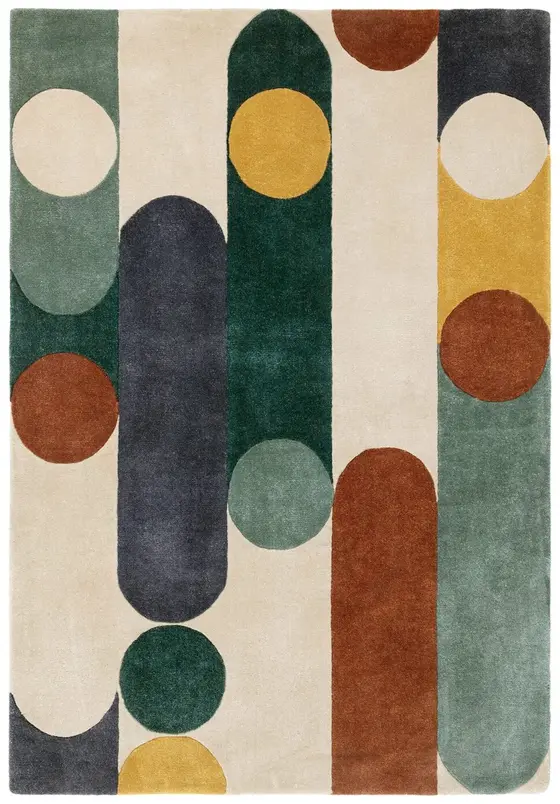
Plain runners in neutral shades blend with most interiors and show less dirt. Subtle patterns such as stripes or geometric designs disguise wear better than solid colours. Modern abstract designs add interest without overwhelming small landings.
Wool flatweaves or low-pile hand-tufted options balance looks and safety. For a contemporary look, choose from modern runners or grey runners that coordinate with current décor.
Traditional homes often suit bordered designs or classic patterns available in the wider runners range.
Safety tips for stair rugs
Secure every runner at the top, bottom and each riser to stop bunching. Use carpet gripper tape or stair rods; never rely on adhesive alone. Check fixings every six months or after heavy use.
Keep pile height under 10 mm on stairs to reduce the risk of catching toes. Avoid shaggy or high-pile rugs here even if they look soft. Wool is preferable where fire safety is a concern because it is naturally more flame-resistant than most synthetics.
Clean regularly with a vacuum fitted with a brush attachment. Promptly blot spills on wool or polypropylene to prevent staining. On landings, position rugs away from door swings so they cannot catch.
Additional safety checklist:
- Ensure good lighting on both stairs and landing.
- Keep runner edges straight and flat.
- Replace any runner showing frayed edges immediately.
- Choose darker or patterned styles that hide marks between cleans.
Rugs for landings
Landings often need a larger rug to anchor the space and link upstairs and downstairs areas. A 160x230 cm or 200x290 cm rug works in most UK homes, following the rule of 30-60 cm floor border. In smaller landings reduce to 20 cm clearance.
Low-pile or flatweave constructions prevent tripping at the top of the stairs. Coordinate the landing rug with the stair runner for a cohesive look, choosing similar colours or textures. Wool rugs or plain rugs in neutral tones are practical choices that stand up to daily use.
Maintenance and care
Vacuum stair runners with the grain, paying extra attention to the nosings where dirt collects. Rotate landing rugs every few months to even out wear. Spot-clean with a mild detergent and dry thoroughly; excess water can damage backing on tufted rugs.
Always follow the care instructions listed on individual product pages.
| Material | Stair suitability | Maintenance level | Water tolerance |
|---|---|---|---|
| Wool | High (resilient, low flame spread) | Medium (sheds initially) | Moderate |
| Polypropylene | Good (stain-resistant) | Low | High |
| Viscose | Avoid | High (watermarks) | Poor |
| Flatweave | Excellent (no pile) | Low | Varies |
Combining a well-fitted runner on the stairs with a correctly sized landing rug improves both safety and comfort. Browse the full selection of runners or living room rugs that can double as landing pieces.
Frequently asked questions
What is the best rug material for stairs?
Low-pile wool or polypropylene are the safest practical choices. Wool offers resilience and better flame resistance; polypropylene tolerates spills. Both should be fitted with a non-slip underlay or stair rods. Avoid high-pile or viscose rugs on staircases.
How wide should a stair runner be?
Most UK stair runners are 60-80 cm wide. Measure your tread width and leave an equal margin on both sides so the flooring shows evenly. This width balances grip, appearance and safety on standard staircases.
Do I need underlay for stair rugs?
Yes. A purpose-made rubber underlay or carpet gripper rods are essential to stop the runner moving. Many runners do not have built-in non-slip, so adding a separate layer is the safest approach for both stairs and landings.
Can I use a normal rug on a landing?
Yes, provided it is low-pile and correctly sized. Leave 30-60 cm of floor showing around the edges in most homes. Secure it properly so it cannot shift near the top or bottom of the stairs.
How do I stop a stair runner from slipping?
Fit stair rods or use double-sided carpet tape and a good quality underlay. Check and tighten fixings regularly. Never rely on the rug’s own backing alone on a staircase.
Shop the guide
-
 Luca Rug in Sage Green
from £89.98
-
 Lila Rug in Tan & Brown
from £89.98
-
 Korra Loop Jute Rug in Slate Cream Wool &
from £99.98
-
 Korra Loop Jute Rug in Linen Cream Wool &
from £99.98
Related guides
- Loft Room Rug Guide: Insulation, Comfort and Low-Ceiling Tips
- Hallway Rug Ideas and Runner Styles for Narrow Spaces
- Garden room rug ideas: weather-resistant indoor-outdoor styles
- Country cottage rug ideas: traditional and modern country styles
- What size rug do I need? A room-by-room guide
- All rug guides
Questions about a specific rug? Every product page lists the maker's size, material, pile height and care details. Delivery is free and tracked to England, Wales and mainland Scotland, and you have 14 days to change your mind. See delivery and returns.