
Loft Room Rug Guide: Insulation, Comfort and Low-Ceiling Tips
Loft room rugs soften hard floors for comfort and absorb sound to reduce echo from sloped ceilings and exposed beams. In most UK lofts the best choice is a low to medium pile rug in wool or polypropylene that sits flat against uneven angles and leaves at least 30 cm of floor visible around the edges. A 160x230 cm or 200x290 cm size usually works under seating while keeping headroom clear.
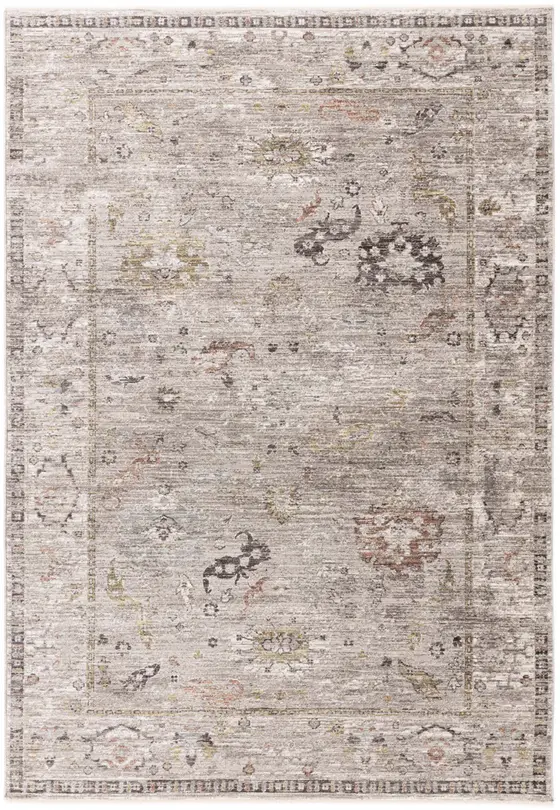
Choosing the right pile height for low ceilings
In loft rooms with sloping ceilings and limited headroom, pile height affects practicality. Keep the rug under 12 mm high in traffic areas so you avoid catching toes when standing up from low furniture. A low-pile or flatweave option leaves more vertical clearance and is easier to vacuum around roof trusses.
For seating areas a medium pile of 8-12 mm adds cushioning without creating a trip hazard. Avoid shaggy rugs taller than 15 mm; they flatten quickly under furniture and collect dust in hard-to-reach roof corners. Product pages list exact pile height so you can match it to your ceiling slope.
Pile height decision rules
- Under 5 mm: best for high-traffic paths and doors
- 5-10 mm: balances comfort and clearance in most lofts
- 10-15 mm: suitable only in the centre of a seating zone away from slopes
Link to low pile rugs for the widest choice of safe options.
Adding warmth with rugs
Loft conversions often sit above unheated voids, so a rug with dense fibres helps stop warmth escaping through the floor. Wool naturally traps air between its fibres, making it feel warmer under bare feet than synthetic alternatives. Polypropylene rugs dry quickly if condensation appears on cooler roof nights and resist marks from roof leaks.
Place the rug so it extends 15-30 cm beyond the front legs of sofas or chairs. In a typical 3-seater layout a 200x290 cm rug keeps feet warm while leaving 30-60 cm of floor showing at the edges. For smaller loft rooms reduce to a 160x230 cm size and keep 20 cm clearance to walls.
See wool rugs and polypropylene rugs for materials that perform well in variable loft temperatures.
Reducing echo with sound-absorbing rugs
Sloped ceilings and hard surfaces in loft rooms create echo that makes normal conversation tiring. A rug with some pile depth absorbs airborne sound, especially when paired with soft furnishings. Hand-tufted wool and viscose blends are particularly effective at damping higher frequencies.
Position one large rug under the main seating rather than several small rugs; gaps between rugs reflect sound back into the room. In rooms with exposed rafters, a rug that reaches close to the walls reduces flutter echo. Flatweaves help less with sound but are useful in narrow roof areas where thicker rugs would bunch.
High-low & carved rugs offer texture that breaks up sound waves without adding excessive height.
Working with sloped ceilings and awkward angles
Measure the lowest point of the slope before choosing size. Leave at least 30 cm between the edge of the rug and the point where headroom drops below 1.5 m. In narrow eaves spaces use a runner 60-80 cm wide rather than a full-width rug.
Plain or abstract designs hide dust better than multicoloured patterns in roof rooms that collect cobwebs. Neutral tones such as cream, beige and grey reflect limited natural light and make the space feel larger. Avoid dark rugs under skylights where every speck of loft dust shows.
Browse plain & textured rugs and beige & natural rugs that suit uneven light conditions.
Material comparison for loft conditions
Wool offers resilience and soil-hiding properties but sheds for the first few weeks. Polypropylene tolerates occasional roof condensation and is simple to spot clean. Viscose adds shine but marks easily with water and is best avoided near skylights.
| Material | Warmth | Echo reduction | Water tolerance | Crush resistance |
|---|---|---|---|---|
| Wool | High | Good | Moderate | High |
| Polypropylene | Medium | Fair | High | Medium |
| Viscose blend | Medium | Good | Low | Low |
Hand-tufted constructions have a glued backing that can stiffen in cold lofts; check care instructions on product pages. Machine-woven polypropylene is more stable in temperature swings.
Size and layout tips for loft living rooms
Use the same layout rules as ground-floor rooms but adjust for slope. In most lofts a front-legs-on arrangement with a 160x230 cm or 200x290 cm rug works under a three-seater sofa. Under a dining table allow 60 cm extra on each side so chairs remain fully on the rug when pulled out.
For bedrooms, position the rug so 50-60 cm shows either side of the bed. In very small loft rooms a 120x170 cm rug placed centrally can be enough to anchor the space without crowding the eaves.
Shop 160x230 cm rugs and 200x290 cm rugs in sizes that fit UK loft conversions.
Maintenance in loft environments
Vacuum weekly with a low-power setting to avoid stressing the backing on uneven floors. Rotate the rug every six months to prevent pressure marks from furniture legs. Spot clean polypropylene and polyester rugs promptly with mild detergent; wool benefits from occasional professional cleaning.
Keep rugs 10 cm away from roof vents to reduce dust intake. In rooms with Velux windows, choose colours that match the natural dust tone so maintenance is less obvious.
Frequently asked questions
What size rug works best in a small UK loft room?
In rooms under 3 m wide a 120x170 cm or 160x230 cm rug usually fits without crowding the slopes. Leave 20 cm of floor showing at the edges in compact spaces and ensure the rug ends at least 30 cm before the lowest ceiling point.
Is wool suitable for loft conversions that get cold at night?
Wool feels warmer underfoot than most synthetics. It also offers better resilience on uneven loft floors although it may shed slightly when first laid.
Can I use a shaggy rug in a loft with low ceilings?
Only in the centre of a seating area and if the pile is no taller than 15 mm. Taller shaggy rugs flatten under furniture and create trip hazards near sloping walls.
How do rugs help reduce echo in rooms with exposed beams?
Pile and density absorb sound waves that would otherwise bounce off hard surfaces. A single large rug under the main seating area is more effective than several smaller scattered rugs.
What rug material is easiest to keep clean in a dusty loft?
Polypropylene is the most water-tolerant and stain-resistant. It can be wiped clean quickly and does not hold dust as visibly as wool or viscose.
Shop the guide
-
 Colores Cloud Everest C011 Rug in Multicoloured
from £69.98
-
 Colores Cloud Jungle C009 Rug in Multicoloured
from £69.98
-
 Colores Cloud Magma C012 Rug in Multicoloured
from £69.98
-
 Colores Cloud Sunset C010 Rug in Multicoloured
from £69.98
Related guides
- Utility room rug ideas: practical and washable solutions
- Rugs for stairs and landing: styles, sizes and safety tips
- Living room rug ideas for every style and layout
- Large living room rug ideas for spacious UK homes
- What size rug do I need? A room-by-room guide
- All rug guides
Questions about a specific rug? Every product page lists the maker's size, material, pile height and care details. Delivery is free and tracked to England, Wales and mainland Scotland, and you have 14 days to change your mind. See delivery and returns.