
Choosing a Rug When You Have Cats
A good rug for cats is low-pile or flatwoven, made from polypropylene, polyester or wool rather than viscose, and has a tight construction that resists pulling and claw damage. Darker or patterned designs hide cat hair better than plain pale rugs, while machine-woven synthetics tolerate the occasional accident without permanent staining. In most UK homes this means selecting a 160x230 cm or 200x290 cm low-pile polypropylene or wool rug that leaves 30-60 cm of floor visible around the edges.
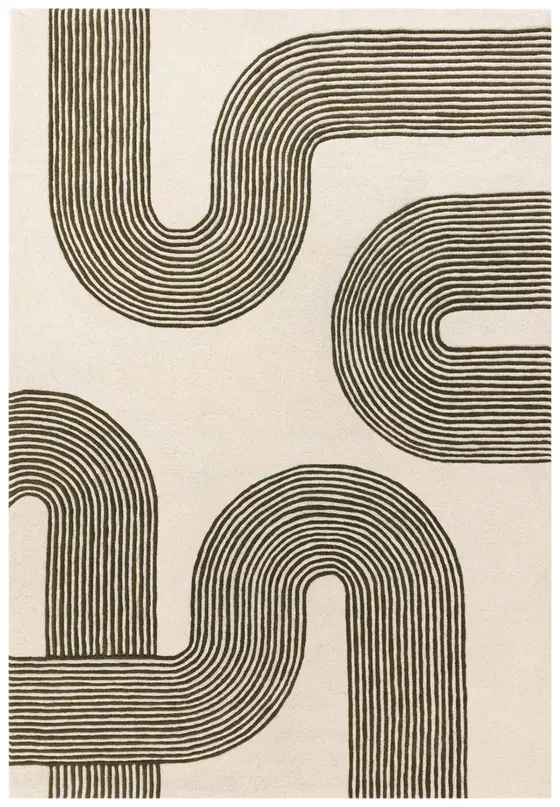
Material choice for cat households
When cats regularly walk, scratch and occasionally sick on a rug, fibre choice matters more than colour. Polypropylene rugs tolerate water, vomit and muddy paws without permanent marks and are easy to blot clean. Polyester versions add softness while keeping the same practical benefits. Wool rugs offer natural resilience and soil-hiding ability; they recover from crushing, although they shed fibres when new. Avoid viscose (often labelled bamboo silk or art silk) because a single wet accident can leave watermarks and the fibre crushes easily under claws.
Jute and sisal dislike water and show every mark, so they suit only very tidy cats. For living rooms with active cats, a polypropylene or wool blend usually gives the best balance of durability and feel underfoot.
Browse polypropylene rugs or view wool rugs that work well with pets.
Low pile vs shaggy
Cats love to knead and dig claws into long fibres. Shaggy rugs with pile over 15 mm quickly develop pulled loops and look worn within months. Low-pile rugs (under 10 mm) or flatweaves give claws less to catch and are far easier to vacuum. A cut-and-loop construction at around 8-12 mm pile height offers some texture without becoming a claw magnet.
Size and placement rules
Follow the same layout rules as any UK room but add a margin for cat movement. In living rooms leave 30-60 cm of floor showing around the rug; in smaller rooms 20 cm is acceptable. For front-legs-on sofa layouts choose a 160x230 cm rug in compact rooms or a 200x290 cm rug for a standard 3-seater. The rug should extend 15-30 cm past each end of the sofa so cats can jump on and off without catching claws on the edge.
Under dining tables allow 60 cm on every side so chairs stay fully on the rug when pulled out. In bedrooms the rug should show roughly 50-60 cm on either side of the bed. These clearances reduce tripping hazards for both humans and rushing cats.
See 160x230 cm rugs, 200x290 cm rugs and living room rugs for suitable sizes.
Colour and pattern to hide hair
Cat hair shows dramatically on plain cream or beige rugs. Charcoal, graphite, silver-grey and multi-toned designs camouflage both light and dark fur. Patterned or abstract rugs break up the visual line of shed hair and paw prints. Neutral beige-and-natural space-dyed styles also perform well because the variation in yarn hides debris between vacuuming.
Darker plain rugs in grey or navy work in modern rooms, while forest green or khaki wool options add colour without showing every hair.
Construction and Backings
Hand-tufted rugs have a glued backing that can soften if repeatedly wetted, so they need prompt blotting. Machine-woven polypropylene rugs usually have a woven or latex backing that withstands damp wiping. Flatweaves have no pile at all and are almost indestructible but offer less cushioning. For cat homes a machine-woven low-pile polypropylene or a hand-tufted wool with short pile (8-12 mm) usually gives the best compromise between comfort and longevity.
Cleaning and daily care
Vacuum at least twice weekly on a low suction setting to remove loose hair before it mats. For accidents, blot immediately with kitchen towel then dab with a solution of one part white vinegar to three parts cold water. Never rub viscose or wool heavily. Most synthetic rugs can be spot-cleaned with a pet-safe enzymatic cleaner. Rotate the rug every few months so wear is even. Trim any pulled loops immediately with sharp scissors to stop further unravelling.
Wool rugs can be maintained at home; check the care instructions on the product page for exact guidance.
Recommended styles for cat owners
Look for tight, low-pile constructions in polypropylene or wool. Modern abstract patterns in grey, charcoal or natural tones hide daily wear. Plain textured rugs in darker shades also perform well if the pile is short. Avoid high-shag polyester unless the cat is elderly and gentle; even then, a 10 mm cut-and-loop style is safer than true shaggy.
| Cat Behaviour | Best Rug Type | Why It Works |
|---|---|---|
| Heavy scratcher | Low-pile polypropylene or flatweave | Less fibre to pull, easy to replace if damaged |
| Frequent accidents | Machine-woven polypropylene | Stain-resistant, tolerates blotting and mild cleaning |
| Sheds heavily | Patterned or space-dyed wool or polyester | Hides hair between vacuum sessions |
| Older, gentle cat | Short-pile wool or recycled PET | Soft enough for comfort, still claw-resistant |
Practical options include low-pile polypropylene or wool rugs in modern abstract patterns or darker plain designs.
Final checklist before buying
- Pile height under 12 mm (check product page)
- Polypropylene, polyester or wool listed as main material
- Patterned or dark enough to disguise cat hair
- Size leaves 30-60 cm of floor border in the room
- Construction is machine-woven or low-pile hand-tufted
- Care instructions match your cleaning routine
With these points covered, the rug should survive years of feline company while still looking good in a UK living room, dining room or bedroom.
Frequently asked questions
Can cats damage wool rugs?
Wool is resilient and recovers from crushing better than many synthetics, but determined scratching can pull fibres. Short-pile hand-tufted or woven wool rugs cope far better than long shaggy styles. Regular nail trimming and a separate scratching post reduce damage.
Do dark rugs show cat hair less?
Yes. Charcoal, graphite, silver-grey and multi-toned designs camouflage both light and dark fur far better than plain cream or beige. Space-dyed or abstract patterns break up the appearance of shed hair between vacuuming.
Are polypropylene rugs safe for cats?
Polypropylene is water-tolerant and stain-resistant, making it practical when cats have accidents. The main drawback is that it can flatten over time in high-traffic areas.
Should I choose a flatweave rug if I have cats?
Flatweaves have no pile so claws have nothing to catch. They are extremely durable and easy to clean but offer less cushioning underfoot. Good for hallways or dining areas where cats run frequently.
How often should I vacuum a rug with cats?
Twice weekly is ideal to remove loose hair before it mats into the fibres. Use a low suction setting and a brush attachment. Immediate blotting of any wet accidents prevents staining, especially on wool or viscose blends.
Shop the guide
-
 Atlas Shaggy Rug in Emerald Green
from £59.98
-
 Atlas Shaggy Rug in Gunmetal Grey
from £59.98
-
 Atlas Shaggy Rug in Ivory Cream
from £59.98
-
 Atlas Shaggy Rug in Natural
from £59.98
Related guides
- Why does my rug smell after getting wet?
- Square vs Rectangular Rugs: Choosing the Right Shape
- Runner vs Rug: When to Use Each in Your Home
- Choosing a rug for a room with bunk beds
- Rugs for homes with pets
- All rug guides
Questions about a specific rug? Every product page lists the maker's size, material, pile height and care details. Delivery is free and tracked to England, Wales and mainland Scotland, and you have 14 days to change your mind. See delivery and returns.