
Small Rug Uses: 15 Smart Ways to Use Small Rugs in UK Homes
Small rugs under 120x170 cm work well in UK homes for targeted areas such as hallways, kitchens, bathrooms and beside beds. They add warmth and definition without overwhelming compact spaces. The right size leaves 30-60 cm of floor visible around the edges in most rooms (20 cm in a small room). Choose low-pile or flatweave constructions for high-traffic spots and water-tolerant materials like polypropylene where spills are likely.
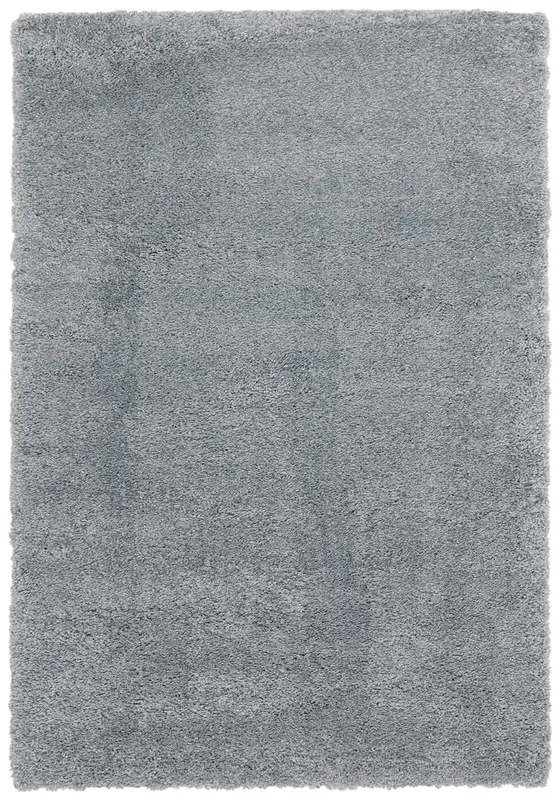
Hallway and landing runners
Hallways see constant foot traffic, so a runner 60-80 cm wide protects the floor and softens the feel underfoot. Place an 80x150 cm runner inside the front door or along a narrow corridor, leaving 30 cm clear at each side. For L-shaped landings, two smaller rugs can prevent a tripping hazard better than one long piece.
Polypropylene or low-pile wool options clean easily and resist crushing. Link: polypropylene rugs.
Kitchen and dining accents
In the kitchen a 60x110 cm or 80x150 cm mat in front of the sink or cooker absorbs splashes and provides cushioning. Choose polypropylene because it tolerates water and cleans with a wipe. Avoid viscose here as it marks permanently when wet.
Under a small bistro table, a 120x170 cm rug should extend at least 30 cm beyond the chair legs so seats stay on the rug when pulled out. Flatweave or low-pile constructions prevent tripping on chair legs. Link: small rugs.
Small dining rooms
A 120x170 cm rug suits a two-seater table in a compact dining area. Measure the table plus 60 cm on every side so chairs remain fully on the rug when in use. Machine-woven polypropylene or polyester blends offer the best stain resistance for mealtimes.
Bathroom and wet-area rugs
Bathrooms need rugs that dry quickly and grip the floor. An 80x150 cm polypropylene mat beside the bath or basin works well. Look for rubber-backed versions that stay in place on tiled floors. Never use wool or viscose in these areas as both absorb moisture.
Bedside and bedroom layouts
Place a pair of 60x110 cm or 80x150 cm rugs on either side of the bed so your feet land on something soft first thing. The rug should extend 50-60 cm from the side of the bed. For a double bed in a small room a single 120x170 cm rug placed centrally at the foot can work instead. Wool offers resilience, while polyester shaggy styles add comfort. Link: bedroom rugs.
Living-room zoning with small rugs
A 120x170 cm rug in front of a single armchair or under a coffee table creates a defined seating zone. In smaller living rooms leave 20 cm of floor showing at the edges. Front legs of a two-seater sofa can sit on the rug while the back legs remain on the floor. Low-pile wool or wool-viscose blends hide marks better than plain polypropylene. Link: living room rugs.
Armchair and reading corner
An 80x150 cm rug under a reading chair plus footstool stops the chair from sliding on hard floors and adds texture. Choose a neutral plain design so it works with any upholstery colour.
Material and construction checklist
Before buying, match the material to the room:
- Polypropylene: stain-resistant, water-tolerant, suitable for kitchens and bathrooms but can flatten over time.
- Wool: resilient, soil-hiding, sheds initially so best in low-traffic bedrooms.
- Viscose: soft and shiny but avoid in any area where water may splash as it watermarks easily.
- Recycled polyester: hard-wearing and often cheaper, good all-round choice for hallways.
Hand-tufted rugs have a glued backing; machine-woven options are more stable for wet areas. Check the product page for exact pile height and care instructions.
UK sizing rules for small rugs
Leave 30-60 cm of bare floor around the rug in standard rooms, reducing to 20 cm in very small spaces. In hallways keep 15 cm clearance from skirting boards. Under a bed allow 50-60 cm visible on each side. For sofas the rug should finish 15-30 cm past the front legs. These gaps stop the rug looking wall-to-wall and make rooms feel larger.
Layering and combining small rugs
Layer a small 80x150 cm shaggy rug over a larger low-pile neutral base to add softness without covering the whole floor. This works well in bedrooms or reading corners. Ensure the bottom rug is non-slip and both rugs have similar care needs. Avoid layering in high-traffic hallways where edges can curl.
Colour, pattern and light
In north-facing UK rooms, cream, beige and light grey rugs reflect what light there is. Patterned designs hide marks better than plain colours in hallways and kitchens. Link: beige rugs. Darker tones such as navy or green add definition in larger bedrooms but can make small bathrooms feel cramped. Link: blue rugs.
Practical care for small rugs
Vacuum regularly on a low setting. For spills, blot immediately; polypropylene tolerates mild detergent and water while wool needs specialist spot cleaning. Rotate rugs every few months to prevent uneven wear. Most small sizes fit in a domestic washing machine on a gentle cycle if the care label allows, but always check the product page first.
| Room | Recommended small size | Best material |
|---|---|---|
| Hallway | 80x150 cm runner | Polypropylene or recycled polyester |
| Kitchen sink | 60x110 cm or 80x150 cm | Polypropylene |
| Bathroom | 80x150 cm | Polypropylene with non-slip backing |
| Beside bed | 80x150 cm (pair) or 120x170 cm | Wool or polyester |
| Armchair zone | 120x170 cm | Wool or wool-viscose |
These uses show that small rugs deliver both decoration and function when chosen with the room’s traffic, moisture risk and size constraints in mind. Measure twice, consider the material properties listed on each product page, and select accordingly.
Frequently asked questions
What is the smallest practical rug size for a UK hallway?
An 80x150 cm runner is the smallest size that still provides useful coverage inside a front door or along a narrow corridor while leaving clearance at the edges. Narrower than 60 cm tends to look skimpy and offers little protection.
Can I use a viscose rug in a bathroom?
No. Viscose is regenerated cellulose that marks permanently when wet and is slow to dry. Reserve viscose for dry bedrooms or living areas. Polypropylene or polyester are the only safe choices near water.
How far should a small rug extend under a sofa?
For a front-legs-on layout the rug should finish 15-30 cm past the front legs of the sofa. This keeps the back legs on the floor, prevents the rug from sliding, and maintains the 30-60 cm border of visible floor recommended for most UK rooms.
Are small wool rugs suitable for kitchens?
Only if the kitchen has very low spill risk. Wool is resilient but absorbs stains more readily than polypropylene. Most households prefer polypropylene or recycled polyester in kitchens because they tolerate water and wipe clean.
What size rug do I need each side of a double bed?
Two 80x150 cm rugs placed on either side allow your feet to land on the rug while leaving 50-60 cm of floor showing beyond the rug edges. A single 120x170 cm rug centred at the foot is an alternative in tighter bedrooms.
Shop the guide
-
 Amelie Lana Rug in Rust With Faded Blue Hues
from £29.98
-
 Atlas Shaggy Rug in Emerald Green
from £59.98
-
 Atlas Shaggy Rug in Gunmetal Grey
from £59.98
-
 Atlas Shaggy Rug in Ivory Cream
from £59.98
Related guides
- How to use colourful rugs in neutral UK homes
- Round Rug Sizes Guide for UK Homes
- Oval Rug Sizes Guide for UK Homes
- Runner vs Rug: When to Use Each in Your Home
- How to clean a wool rug at home
- All rug guides
Questions about a specific rug? Every product page lists the maker's size, material, pile height and care details. Delivery is free and tracked to England, Wales and mainland Scotland, and you have 14 days to change your mind. See delivery and returns.