
Best rugs for flats with neighbours below: noise reduction
Wool rugs with deep pile and a separate underlay help reduce footfall noise in UK flats. A pile height of at least 20 mm combined with natural resilience helps absorb impact sound. In practice, a large 160x230 cm or 200x290 cm wool rug placed over a quality underlay in living areas and bedrooms is a practical choice for most apartment dwellers.
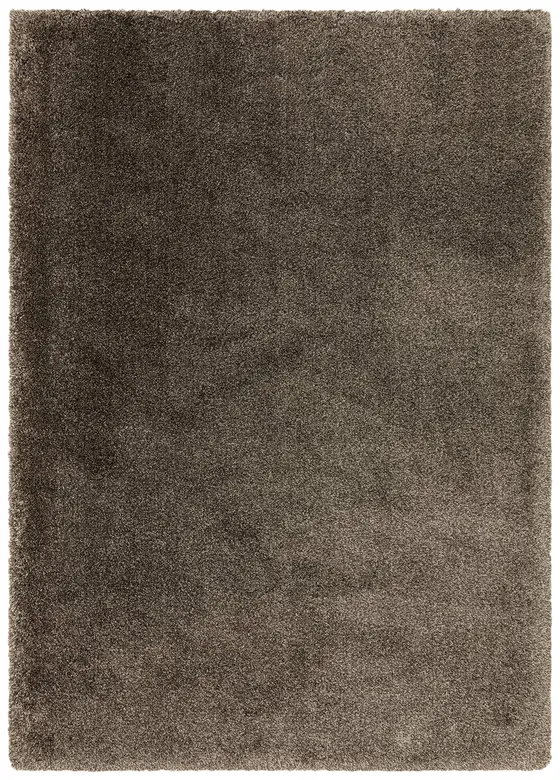
How rugs reduce noise transmission
In flats, the main concern is impact noise from footsteps travelling through the floor structure to the rooms below. A rug with substantial pile traps air pockets that absorb and dissipate some of that vibrational energy. The thicker and denser the pile, the greater the reduction, although no rug eliminates sound completely. Adding a separate underlay beneath the rug further improves performance by creating an extra cushioning layer between the rug and the hard floor.
Wool stands out because its natural springiness resists permanent flattening, maintaining sound absorption over years of use. Synthetic options such as polypropylene or polyester can also work well if the pile is deep, but they tend to crush more easily over time. Flatweaves and low-pile rugs offer minimal benefit for noise control.
Best materials for noise reduction
Wool rugs lead for sound absorption in residential settings. Their fibres are naturally resilient and soil-hiding, making them practical for high-traffic flats. Look for hand-tufted constructions with a pile around 20 mm or more. Blends containing viscose add softness and sheen but are water-sensitive and flatten faster, so they suit low-traffic bedrooms rather than living rooms.
Polypropylene rugs provide good stain resistance and tolerate occasional spills, useful in homes with children or pets. Deep shaggy versions with 20-50 mm pile give reasonable cushioning, although the fibres can crush and lose height after heavy use. Recycled polyester options are similar in performance.
Avoid jute or sisal for noise-focused applications. These plant fibres are hard-wearing but transmit more sound and dislike moisture.
Wool versus synthetics: practical trade-offs
- Wool: resilient, flame-resistant relative to synthetics, sheds initially, higher cost.
- Polypropylene: stain-resistant, water-tolerant, can flatten, lower price point.
- Polyester blends: soft underfoot, good colour range, prone to crushing in high traffic.
For most UK flats the balance favours wool rugs in living areas and a thick polypropylene alternative in busier zones.
Pile height and construction that help
Pile height is the single most important specification. Aim for at least 20 mm for noticeable noise reduction; 30-50 mm shaggy rugs offer more cushioning but require more vacuuming. Cut-pile or cut-and-loop constructions trap more air than flatweaves. Hand-tufted rugs have a glued backing that adds slight extra mass, helping with sound blocking, while power-loomed versions are usually lighter but easier to handle in rental properties.
Check product pages for exact pile height, construction method and care instructions before buying. A rug described as “medium-thick” or “deep pile” is usually a safer bet than vague terms.
Recommended sizes and layouts for flats
Leave 30-60 cm of floor visible around the rug in most rooms. In smaller flats reduce this to 20 cm. Under a sofa the rug should extend 15-30 cm beyond each end. Front-legs-on layouts work well for typical UK living rooms: a 160x230 cm rug suits smaller spaces while a 200x290 cm or 200x300 cm rug fits most 3-seater sofas comfortably.
In bedrooms the rug should show about 50-60 cm on either side of the bed. Dining areas need at least 60 cm extra on every side of the table so chairs remain on the rug when pulled out. Runners 60-80 cm wide suit hallways and narrow circulation spaces.
Popular practical sizes include 120x170 cm for small zones, 160x230 cm for standard living rooms, and 200x290 cm or 200x300 cm for larger open-plan flats. See our ranges of 160 x 230 cm rugs and 200 x 290 cm rugs for suitable dimensions.
Underlay and placement tips
A separate rug underlay is essential for maximum noise reduction. It adds mass and cushioning without being permanently attached to the floor, ideal for rental properties. Choose a dense felt or rubberised underlay rated for hard floors. Cut it slightly smaller than the rug so edges remain hidden.
Place the thickest rug in the room directly above the neighbour’s main living space. Hallways and kitchens often transmit the most noise; even a smaller thick rug or runner here helps. Avoid placing heavy furniture legs directly on shaggy pile for long periods as this can create permanent indentations.
Regular vacuuming keeps pile upright and maintains sound-absorbing performance. Rotate the rug every six months to even out wear.
Top rug picks for noise reduction
Several options combine generous pile with practical sizing. Look for deep-pile wool and polypropylene rugs that deliver good cushioning in living rooms or bedrooms. Hand-tufted designs give a balance of comfort and noise absorption. All these are available in common flat-friendly sizes from 120x170 cm up to 200x290 cm or 200x300 cm.
Browse our full selection of thick & deep pile rugs, shaggy rugs or large wool rugs to find the right balance of height, material and price for your flat.
| Material | Typical pile | Best for | Maintenance notes |
|---|---|---|---|
| Wool | 10-15 mm | Living rooms, bedrooms | Vacuum regularly, initial shedding normal |
| Polypropylene | 20-50 mm | High-traffic areas | Stain-resistant, tolerates spills |
| Polyester blends | 10-20 mm | Medium use | Prone to crushing over time |
Remember that product pages list exact size, material, pile height, construction and care details for every rug.
Frequently asked questions
Do thick rugs really reduce noise for downstairs neighbours?
Yes. A deep pile rug combined with underlay absorbs impact from footsteps and reduces the sound reaching the floor below. Wool or high-pile polypropylene options give the best everyday results in UK flats, although complete silence is not achievable.
What pile height is best for noise reduction?
Aim for at least 20 mm. Shaggy rugs with 30-50 mm pile offer more cushioning but need frequent vacuuming to stay upright. Medium-thick 10-15 mm wool rugs provide a practical balance of performance and ease of care.
Is wool or polypropylene better for downstairs noise?
Wool is more resilient and maintains its sound-absorbing pile longer. Polypropylene is cheaper, stain-resistant and water-tolerant but can flatten with heavy use. Choose according to your budget and traffic levels.
Should I use an underlay with the rug?
Yes. A dense separate underlay adds extra mass and cushioning, noticeably improving noise reduction. It also protects the rug backing and prevents slipping on hard floors.
Which rug sizes work best in small flats?
120x170 cm or 160x230 cm rugs suit most living rooms and bedrooms. Leave 30-60 cm of floor showing around the edges or 20 cm in very compact rooms. Larger 200x290 cm rugs work if the space allows.
Shop the guide
-
 Atlas Shaggy Rug in Emerald Green
from £59.98
-
 Atlas Shaggy Rug in Gunmetal Grey
from £59.98
-
 Atlas Shaggy Rug in Natural
from £59.98
-
 Atlas Shaggy Rug in Navy Blue
from £59.98
Shop all thick & deep pile rugs
Related guides
- Rugs for tiled floors: warmth, comfort and noise reduction
- Home office rug guide: comfort, noise reduction and style
- Do rugs reduce noise?
- Best Rugs for Student Flats: Budget, Durable and Stylish
- What size rug do I need? A room-by-room guide
- All rug guides
Questions about a specific rug? Every product page lists the maker's size, material, pile height and care details. Delivery is free and tracked to England, Wales and mainland Scotland, and you have 14 days to change your mind. See delivery and returns.