
Do rugs reduce noise?
Rugs can reduce noise in UK homes. They absorb airborne sound and dampen impact noise from footsteps or dropped objects, especially thicker wool or shaggy styles. In typical houses and flats they will not replace dedicated soundproofing but they make rooms quieter and more comfortable.
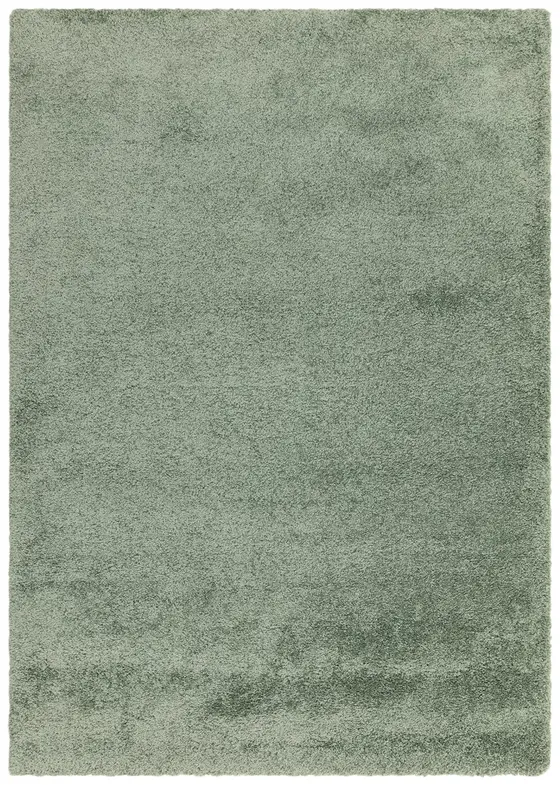
How rugs absorb sound
Rugs reduce noise in two main ways. The pile traps air pockets that absorb sound waves before they bounce off hard floors. The mass of the rug also stops some impact noise travelling through the floor into rooms below. Thicker pile and denser fibres work better.
Wool rugs are particularly effective because the natural crimp in the fibre holds more air. Synthetic options such as polypropylene also help but usually need deeper pile to match the performance.
Best rug types for noise reduction
Deeper pile heights generally absorb more sound. Shaggy rugs with 20-45 mm pile trap the largest volume of air. Hand-tufted wool and wool-viscose blends offer a good balance of absorption and durability. Flatweaves and very low-pile rugs give the least benefit.
- Wool or wool-viscose: resilient, good sound absorption, naturally soil-hiding.
- Polypropylene shaggy: water-tolerant, easier to keep clean, suitable for busy households.
- Polyester blends: soft feel, moderate noise reduction.
For living rooms many homeowners choose a 160x230 cm rug or larger to cover the main seating area. In smaller flats a 120x170 cm rug under the sofa still delivers useful improvement.
Placement for maximum effect
Position the rug where most noise occurs. In living rooms a front-legs-on layout works for most UK sofas: the rug should extend 15-30 cm past each end of the sofa. This placement reduces echo from voices and footsteps. Under dining tables leave at least 60 cm on every side so chairs remain on the rug when pulled out. In bedrooms a rug that shows 50-60 cm either side of the bed softens early-morning footfall.
Layering a thick rug over existing carpet adds further absorption but is rarely necessary. In flats with hard floors a single large rug in the main living space usually gives the most noticeable change.
Wool versus synthetic performance
Wool rugs absorb sound well and resist crushing better than most synthetics, making them suitable for rooms with regular use. They are also relatively flame-resistant compared with many man-made fibres. Polypropylene rugs tolerate spills and are easier to keep clean, which matters in kitchens or homes with children, but the pile can flatten over time and reduce sound absorption. A polyester and polypropylene blend offers a practical middle ground for many households.
Hand-tufted constructions have a glued backing that adds a small amount of extra mass and therefore slight extra sound blocking. Hand-knotted or flatweave rugs have less mass and are better chosen for style than noise control.
Realistic expectations in UK homes
Rugs will not block noise travelling through walls or ceilings. They mainly reduce noise within the same room and some impact sound to the floor below. In a Victorian terrace or 1960s flat a large wool rug in the living room combined with heavy curtains can produce an improvement without major building work. Results vary with floor type, ceiling height and existing furnishings.
Maintenance for lasting performance
To keep sound-absorbing ability, vacuum regularly and rotate the rug every six months. Crushed pile reduces the air pockets that trap sound. Wool rugs can shed when new; this is normal and does not affect performance once settled. Check product pages for exact care instructions.
Choosing the right size remains the most practical decision. Common UK sizes such as 200x290 cm suit most three-seater sofas with front legs on the rug, while 160x230 cm works in smaller rooms. Leave 30-60 cm of floor showing around the edges in most rooms.
Frequently asked questions
Do thick pile rugs reduce more noise than low pile?
Yes. Greater pile depth creates more air pockets that absorb sound waves. Shaggy rugs with 30-45 mm pile usually outperform 10 mm hand-tufted rugs, although wool fibre still matters.
Will a rug help with neighbour noise from below?
A rug mainly reduces impact noise travelling down, such as footsteps. It will not stop sound coming up through the floor or walls. In flats a thick rug can lessen the noise you make for people below.
Are wool rugs better than synthetic for sound absorption?
Wool generally performs better because its natural crimp holds air. Synthetics such as polypropylene can match performance when made with deeper pile. Wool also resists flattening better, preserving the benefit longer.
Can I use a small rug for noise reduction?
A small rug helps locally but covers less floor area so the overall effect is limited. Larger rugs that cover the main traffic and seating zones give better results in typical UK living rooms.
Do I need a special underlay with a rug for noise control?
A good underlay adds extra mass and cushioning. It is not essential but will improve both comfort and sound absorption, especially on hard floors. Standard rug gripper or felt underlay is usually sufficient.
Shop the guide
-
 Caruso Wool Rug in Brown
from £274.98
-
 Henley Wool & Viscose Rug in Silver
from £169.98
-
 Henley Wool & Viscose Rug in Sand
from £169.98
-
 Henley Wool & Viscose Rug in Sage
from £169.98
Related guides
- Best rugs for flats with neighbours below: noise reduction
- Are Rugs a Trip Hazard, and How to Reduce the Risk
- Rugs for tiled floors: warmth, comfort and noise reduction
- Home office rug guide: comfort, noise reduction and style
- What size rug do I need? A room-by-room guide
- All rug guides
Questions about a specific rug? Every product page lists the maker's size, material, pile height and care details. Delivery is free and tracked to England, Wales and mainland Scotland, and you have 14 days to change your mind. See delivery and returns.