
Rugs for tiled floors: warmth, comfort and noise reduction
The best rugs for tiled floors in the UK are those with a medium to thick pile in wool, polypropylene or polyester. These materials insulate against cold tiles, soften footsteps and absorb sound to cut echo in kitchens and bathrooms. A 160x230 cm or 200x290 cm rug placed in front of key areas usually gives the right balance of coverage and floor border while remaining easy to keep clean.
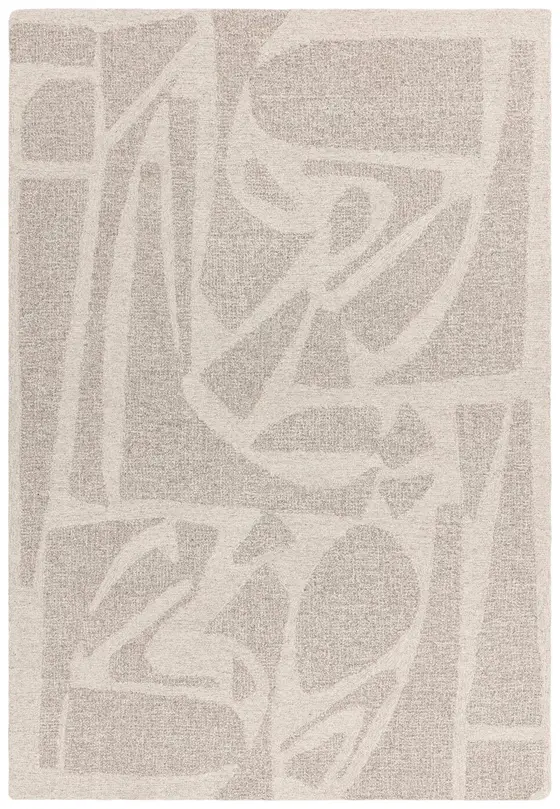
Choosing the right materials for tiled floors
Tiled floors conduct heat away quickly and create echo when walked on. A rug adds a layer of insulation and softens the acoustics. Wool is resilient and hides everyday dirt that suits high-traffic kitchens. Polypropylene and polyester tolerate spills and dry fast, making them practical near sinks or in bathrooms. Avoid viscose on tiles because water marks and crushing show easily on hard surfaces.
Wool rugs feel warmer under bare feet than synthetics. Polypropylene rugs offer stain resistance that matters when food or drink drops. A blend of polyester and polypropylene gives a good middle ground for families. Check the product page for exact material, pile height and care instructions before buying.
Wool on tiles
Wool is resilient and hides everyday dirt. It springs back after compression so the pile stays even. New wool rugs shed for the first few weeks; vacuum regularly until this stops. Browse wool rugs here.
Pile height for comfort and noise reduction
Low-pile rugs (under 10 mm) stay flat on tiles but give limited cushioning. Medium pile (10-20 mm) balances softness with ease of cleaning. Shaggy or high-pile rugs (over 30 mm) add the most warmth and sound absorption yet need more maintenance to stop flattening in doorways.
- Choose 8-12 mm pile for busy kitchens where chairs move often.
- Opt for 20-45 mm pile in bathrooms or quieter corners for extra comfort.
- Flatweave rugs suit only very light use because they offer little insulation.
A thicker pile reduces the hollow sound of footsteps on tiles. In a typical UK kitchen, a rug that extends 15-30 cm beyond the edges of a work area cuts echo noticeably.
Correct sizes and where to place them
Leave 30-60 cm of tile showing around the rug in most rooms. In smaller kitchens reduce this to 20 cm. For a dining table, add at least 60 cm on every side so chairs remain fully on the rug when pulled out. In front of a cooker or sink, a runner 60-80 cm wide works well.
Common sizes that fit UK tiled spaces:
- 120x170 cm for small zones or in front of a single basin.
- 160x230 cm for standard kitchens or a 3-seater sofa layout in open-plan areas.
- 200x290 cm or 200x300 cm for larger kitchens or to go under a dining table with six chairs.
Place a rug where feet land most: in front of the sink, cooker, or breakfast bar. In bathrooms keep the rug away from direct shower spray. See kitchen rugs and 160x230 cm rugs for suitable options.
Practical care on hard floors
Tiles make cleaning easier because dirt does not sink into carpet underlay. Vacuum or shake the rug weekly. For spills, blot immediately and follow the care label. Polypropylene and polyester rugs can usually be wiped with a damp cloth; wool benefits from professional cleaning for heavy soiling.
Hand-tufted rugs have a glued backing; avoid soaking them. Rotate the rug every few months so wear stays even. In kitchens choose machine-woven or low-pile constructions that cope with repeated movement of stools and chairs.
Style choices that work with tiles
Plain or textured rugs in beige, cream, grey or neutral tones blend with most tile colours and hide marks better than bold patterns. Abstract or modern designs add interest without competing with grout lines. Green, blue or terracotta accents bring warmth against white or grey tiles.
Consider how the rug looks when wet. Darker shades mask water marks; lighter neutrals show every footprint until dry. Plain and textured rugs, beige and natural rugs and grey rugs offer safe starting points.
How rugs improve warmth and reduce noise
A rug creates an immediate barrier between cold tiles and bare feet. Wool insulates particularly well. The pile traps air that absorbs impact sound, lowering the echo common in rooms with hard surfaces. In open-plan kitchens this can make conversation easier at normal volumes.
Placing a rug under a dining area or in a traffic path gives the biggest practical difference. One large rug often proves more effective than several small mats that slide on tiles.
| Material | Warmth | Noise reduction | Spill tolerance |
|---|---|---|---|
| Wool | High | Good | Moderate |
| Polypropylene | Medium | Medium | High |
| Polyester | Medium | Good with thicker pile | High |
Choose according to your main concern: wool for maximum warmth, polypropylene for easiest cleaning.
Shop the guide
These rugs combine the qualities discussed and suit tiled floors in UK homes. The polypropylene rugs and large wool rugs ranges contain many of the sizes and constructions that work best.
Frequently asked questions
Are wool rugs suitable for kitchens with tiled floors?
Yes. Wool adds noticeable warmth and reduces echo while hiding dirt well. Choose hand-tufted or low-pile wool rugs for easier cleaning. Wipe spills promptly and accept some initial shedding. A 160x230 cm or 200x290 cm size usually fits standard UK kitchens.
What pile height works best on bathroom tiles?
Medium pile of 10-20 mm gives comfort without trapping too much water. Polyester or polypropylene rugs dry faster than wool in humid rooms. Keep the rug away from direct spray and choose a size that leaves 30-60 cm of tile border for safety and appearance.
Do rugs slip on tiled floors?
Most rugs need a non-slip underlay on smooth tiles. The product pages list construction details; hand-tufted rugs with heavier backing grip better than flatweaves. Test placement and add a suitable gripper if movement occurs.
How do I clean a rug on kitchen tiles?
Vacuum regularly. Blot spills immediately with a clean cloth. Polypropylene rugs tolerate mild detergent and water; wool rugs need drier methods or professional cleaning. Lift the rug to clean underneath every few weeks to stop grit damaging tiles.
What size rug for a 3-seater sofa in an open-plan tiled space?
A 200x290 cm rug allows the front legs of the sofa to sit on it with 15-30 cm extending beyond the sides. In smaller rooms a 160x230 cm version works. This layout keeps the rug stable and reduces noise across the tiled area.
Shop the guide
-
 Amelie Lana Rug in Rust With Faded Blue Hues
from £29.98
-
 Colores Cloud Gardenia CO01 Outdoor Rug in Multicoloured
from £69.98
-
 Colores Cloud Everest C011 Rug in Multicoloured
from £69.98
-
 Colores Cloud Jungle C009 Rug in Multicoloured
from £69.98
Related guides
- Home office rug guide: comfort, noise reduction and style
- Best rugs for flats with neighbours below: noise reduction
- Rugs for wooden floors: protection, grip and style
- Rugs on vinyl and LVT floors: what to check
- What size rug do I need? A room-by-room guide
- All rug guides
Questions about a specific rug? Every product page lists the maker's size, material, pile height and care details. Delivery is free and tracked to England, Wales and mainland Scotland, and you have 14 days to change your mind. See delivery and returns.