
Rugs for Floor Seating, Gaming and Lounging
A rug for floor seating needs to be large enough for everyone to sit comfortably with legs outstretched and should use a low-pile or flat construction that stays flat under body weight. In most UK living rooms choose 200x290 cm or 200x300 cm so the rug extends at least 30 cm beyond the seating area on all sides. Low-pile wool or polypropylene options are easiest to keep clean and resist crushing better than high-pile or viscose rugs.
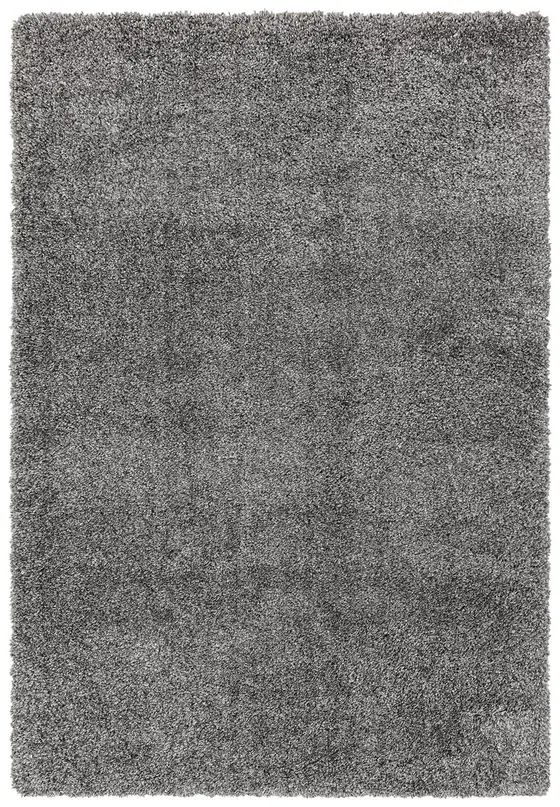
Choosing the right size
In rooms used for floor seating or gaming, the rug becomes the main seating surface. Leave 30-60 cm of floor visible around the edges in a standard living room; in a small room 20 cm is enough. The rug should be at least 60 cm wider and longer than the seating layout so knees and elbows stay on the surface.
Common sizes that work well are 160x230 cm in compact rooms and 200x290 cm or 200x300 cm in larger spaces. These allow a group of four to six people to sit facing each other or toward a screen. Runners 60-80 cm wide can define a pathway beside the main rug without wasting space.
Measure your room and mark the proposed rug area with masking tape before buying. This prevents the common mistake of choosing a rug that feels too small once everyone is seated on the floor.
Best materials for floor use
Wool offers natural resilience and soil-hiding properties that suit repeated contact with skin and clothes. It resists crushing better than many synthetics. New wool rugs shed for the first few weeks; regular vacuuming removes loose fibres.
Polypropylene is water-tolerant and stain-resistant, making it practical when drinks or snacks are involved. It can flatten under prolonged weight but recovers reasonably well. Avoid placing hot items on polypropylene as the fibres can melt.
Viscose, often labelled bamboo silk or art silk, feels soft and looks shiny but marks easily with water and crushes permanently under pressure. It is best avoided for regular floor seating. Blends of polyester and polypropylene balance cost and durability for gaming setups.
For outdoor or conservatory lounging, look for recycled polyester performance yarns that tolerate moisture without staining.
Pile height considerations
Low-pile rugs (under 10 mm) or flatweaves stay flat and are easiest to sit on for long periods. Shaggy rugs over 30 mm look inviting but can feel uneven under the body and trap crumbs. A medium pile around 10-15 mm offers comfort without excessive flattening.
Layout ideas for gaming and lounging
Place the rug centrally and arrange floor cushions or beanbags around the edges. In a front-legs-on style for sofas that are sometimes used, choose 160x230 cm rugs or 200x290 cm rugs so the front sofa legs sit on the rug while the main area remains free for floor seating.
For dedicated gaming, a square or near-square layout works better. A 200x300 cm rug gives enough space for a coffee table in the centre and seating on all four sides. Position the rug 40-50 cm from the TV or screen so players can lean back against the sofa without leaving the rug.
In bedrooms, a rug placed beside the bed can double as lounging space. Allow 50-60 cm of rug showing on the sides and foot of the bed. Smaller options from the small rugs range can work here if full-room coverage is not needed.
Practical care for heavy use
Vacuum at least twice weekly on a low suction setting to remove grit that can damage fibres. Rotate the rug every three months so wear is even. For spills, blot immediately with a clean cloth; polypropylene tolerates mild detergent and water while wool benefits from specialist spot cleaners.
Hand-tufted rugs have a glued backing that can soften if soaked, so avoid over-wetting. Machine-made polypropylene rugs are generally more forgiving. Check the care instructions on each product page for exact guidance.
Colour and pattern choice
Neutral tones such as beige, cream and grey hide everyday marks better than bright colours. Subtle patterns disguise crumbs and footprints that are inevitable with floor seating. Abstract or modern designs can add interest without dominating a small room.
Green, blue and rust tones appear in many contemporary collections and work well with both casual and slightly smarter interiors. Plain textured rugs offer versatility and are easier to coordinate with existing cushions and throws.
Recommended rugs for floor seating
The polypropylene rugs category contains many machine-made options that are practical for lounging and gaming. For softer feel under bare feet, wool rugs provide resilience without excessive maintenance. Modern abstract patterns from the modern rugs selection often suit relaxed floor-based living rooms.
Look for designs that are available in multiple sizes so you can start with a smaller option and add a second rug later if the space grows. Hand-tufted constructions give a premium finish but usually cost more than machine-made equivalents.
| Room type | Recommended size | Best pile height | Material priority |
|---|---|---|---|
| Small living room gaming | 160x230 cm | Low to medium (under 15 mm) | Polypropylene or wool blend |
| Standard living room lounging | 200x290 cm or 200x300 cm | Low pile | Wool or performance polyester |
| Bedroom floor seating | 120x170 cm or 160x230 cm | Medium pile | Soft polyester or wool |
Always check the exact dimensions, pile height, construction and care details on the individual product pages before ordering. Free tracked delivery is available to England, Wales and mainland Scotland on every order. You have 14 days after delivery to change your mind if the rug is not quite right.
Frequently asked questions
What size rug do I need for floor seating with a sofa?
For most UK living rooms a 200x290 cm or 200x300 cm rug allows the front sofa legs to sit on the rug while leaving enough space in front and to the sides for people to sit on the floor. In smaller rooms 160x230 cm is often sufficient. Measure and mark the area first.
Are shaggy rugs suitable for sitting on the floor?
Shaggy rugs can feel comfortable initially but the long pile tends to flatten unevenly under body weight and traps crumbs and dust. Low-pile or medium-pile rugs are usually more practical for regular floor seating and gaming.
Which material is easiest to keep clean for floor use?
Polypropylene is the most stain-resistant and water-tolerant, making it easier to clean after spills. Wool hides soil well but requires more careful spot cleaning. Viscose should be avoided as it watermarks easily.
Can I use an outdoor rug indoors for lounging?
Yes. Rugs made from recycled polyester performance yarns are durable, tolerate occasional moisture and are easy to vacuum. They work well in conservatories or family rooms where floor seating is common.
How do I stop the rug moving when we sit on it?
A non-slip underlay cut slightly smaller than the rug helps. In heavy-use areas choose heavier wool or dense polypropylene constructions that naturally stay in place better than lightweight flatweaves.
Shop the guide
-
 Amelie Lana Rug in Rust With Faded Blue Hues
from £29.98
-
 Atlas Shaggy Rug in Emerald Green
from £59.98
-
 Atlas Shaggy Rug in Gunmetal Grey
from £59.98
-
 Atlas Shaggy Rug in Ivory Cream
from £59.98
Related guides
- Rugs Under Desk Chairs: Size, Pile and Floor Protection
- Should a Rug Be Lighter or Darker Than the Floor?
- Can a rug damage a wooden floor?
- Can a Rug Cause Damp or Mould on the Floor Underneath?
- How to stop a rug slipping
- All rug guides
Questions about a specific rug? Every product page lists the maker's size, material, pile height and care details. Delivery is free and tracked to England, Wales and mainland Scotland, and you have 14 days to change your mind. See delivery and returns.