
Should a Rug Be Lighter or Darker Than the Floor?
A rug can be lighter or darker than the floor depending on the look you want and how the room is used. Darker rugs hide marks and footprints better on light floors while lighter rugs make small rooms feel larger. The safest choice for most UK living rooms is a mid-tone rug that sits between the floor colour and the sofa.
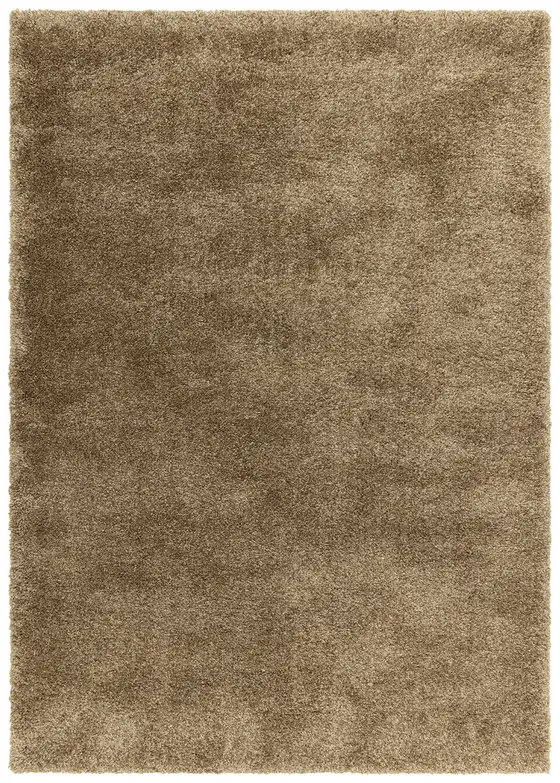
Contrast rules for rugs and floors
High contrast creates a defined border that makes furniture stand out. A dark rug on a light wooden or tiled floor gives a sharp, modern edge useful in open-plan spaces. Low contrast blends the rug into the floor, which can make a room feel larger but risks the rug disappearing. In most living rooms leave 30-60 cm of floor visible around the rug edges so the contrast remains clear.
For a 3-seater sofa a 200x290 cm rug works well with front legs on the rug. Choose a shade darker than a pale oak floor or lighter than a dark laminate to keep the layout balanced.
Choosing rugs for light floors
Light floors such as whitewashed wood or pale tiles show every speck of dirt. A darker or mid-tone rug hides soil and footprints more effectively. Grey or beige rugs hide marks well without looking as heavy as black. Wool rugs are especially good at hiding soil thanks to their natural fibre structure.
Avoid very light cream rugs on light floors unless the room has little foot traffic. In bedrooms a lighter rug than the floor can work if you want a soft, airy feel and the rug sits mostly under the bed showing 50-60 cm on each side.
Best options for light floors
- Mid-grey or taupe wool rugs for living rooms
- Navy or forest green polypropylene rugs in kitchens or dining areas
- Beige natural rugs in low-traffic bedrooms
Choosing rugs for dark floors
Dark floors absorb light and can make rooms feel smaller. A lighter rug reflects light back and defines the seating area clearly. Cream, ivory or pale grey rugs lift the space and make furniture appear to float. In small rooms keep at least 20 cm of dark floor showing to maintain the sense of space.
Under dining tables allow 60 cm beyond the table on all sides so chairs stay on the rug when pulled out. Lighter rugs also show less crushing from chair legs than very dark shaggy styles.
Practical considerations by room
Living rooms see the most wear. Darker rugs on light floors are easier to keep clean. Bedrooms can use lighter rugs because traffic is lower. Dining rooms need rugs that tolerate chair movement; low-pile or flatweave styles in mid-tones perform best. Kitchens and hallways benefit from stain-resistant polypropylene rugs in colours that contrast with the floor.
Wool offers resilience and is more flame-resistant than many synthetics but sheds when new. Polypropylene tolerates water and stains but can flatten over time. Viscose gives shine yet marks easily with water.
Colour matching tips
Match the rug to the sofa rather than the floor for a pulled-together look. If the floor is light oak, a grey rug several shades darker works in most layouts. For dark walnut floors, try a cream rug or pale beige to add brightness. Abstract or modern patterns hide marks better than plain colours.
In open-plan homes use the same rug size rule across zones: 160x230 cm in smaller areas, 200x290 cm or 200x300 cm for larger seating. Runners 60-80 cm wide should contrast with hallway floors so edges remain visible.
Maintenance and materials
Darker rugs hide everyday dirt but show lint and pet hair more. Lighter rugs reveal stains quickly yet make a room feel bigger. Hand-tufted rugs have a glued backing and need careful vacuuming. Flatweave styles have no pile and are simplest to clean. Always follow the care instructions on the product page.
| Floor colour | Suggested rug tone | Best for |
|---|---|---|
| Light wood/tile | Mid to dark grey, navy, moss | Hiding marks, living rooms |
| Dark laminate | Cream, beige, pale grey | Brightening, bedrooms |
| Medium neutral | Either, with pattern | Most UK homes |
Polypropylene rugs suit busy households because they tolerate spills. Wool rugs offer better resilience under furniture legs. For a soft feel underfoot in living rooms choose medium-pile options between 8 mm and 12 mm.
Frequently asked questions
Can a rug be the same colour as the floor?
Yes, but only if the rug has a strong pattern or texture. A plain rug the exact same shade as the floor usually looks like a mistake and wastes the rug's potential to define the space. Add at least two shades of contrast or choose a textured wool or shaggy style.
Should bedroom rugs be lighter or darker than the floor?
Lighter rugs often work better in bedrooms because they make the room feel larger and softer. Place the rug so it shows about 50-60 cm on each side of the bed. Avoid very light colours if you walk on it with outdoor shoes.
Do dark rugs make a room look smaller?
Dark rugs can make a room feel smaller when they cover most of the floor. Leave 30-60 cm of floor border visible in average rooms or 20 cm in small ones. In large living rooms a 200x290 cm dark rug on a light floor usually looks grounded rather than cramped.
What colour rug goes with dark wood floors?
Cream, ivory, beige and pale grey rugs lift dark wood floors and reflect light. A 160x230 cm or 200x290 cm rug with front sofa legs on it creates a balanced layout. Avoid matching the exact wood tone.
Is it better to have a light or dark rug with pets?
Darker or patterned rugs hide pet hair, mud and marks more successfully. Polypropylene or wool styles are more practical than viscose which shows watermarks. Vacuum regularly and choose low or medium pile for easier cleaning.
Shop the guide
-
 Amelie Lana Rug in Rust With Faded Blue Hues
from £29.98
-
 Atlas Shaggy Rug in Emerald Green
from £59.98
-
 Atlas Shaggy Rug in Gunmetal Grey
from £59.98
-
 Atlas Shaggy Rug in Ivory Cream
from £59.98
Related guides
- How close to the wall should a rug be?
- Does a rug need to be centred in the room?
- Can a rug damage a wooden floor?
- Can a Rug Cause Damp or Mould on the Floor Underneath?
- Hallway runner size guide
- All rug guides
Questions about a specific rug? Every product page lists the maker's size, material, pile height and care details. Delivery is free and tracked to England, Wales and mainland Scotland, and you have 14 days to change your mind. See delivery and returns.