
Can a Rug Cause Damp or Mould on the Floor Underneath?
A rug can cause damp or mould on the floor underneath when it traps moisture from spills, condensation or poor ventilation. This is more likely with thick pile rugs on solid floors without regular lifting and drying. Choosing water-tolerant materials and allowing air circulation usually prevents the problem.
How rugs trap moisture
Rugs act as a barrier that slows evaporation. When liquid reaches a solid floor it cannot escape easily if the rug sits flat and has a dense backing. In UK homes with concrete or tiled floors this trapped moisture raises local humidity and can lead to mould growth if left undisturbed. Hand-tufted rugs with glued backings are particularly effective at sealing in damp because the latex layer blocks airflow.
Wool rugs absorb some moisture but still need good ventilation underneath. Synthetic options vary widely in behaviour.
Risk by Rug material
Materials behave differently around water:
- Viscose (including blends labelled bamboo silk or art silk) is water-sensitive, shows watermarks easily and should not be used in areas where spills are likely.
- Polypropylene is water-tolerant, dries quickly and resists mould better than most fibres, making it suitable for kitchens or bathrooms.
- Wool is naturally soil-hiding and more resilient but can hold moisture longer than polypropylene and may develop odours if kept damp.
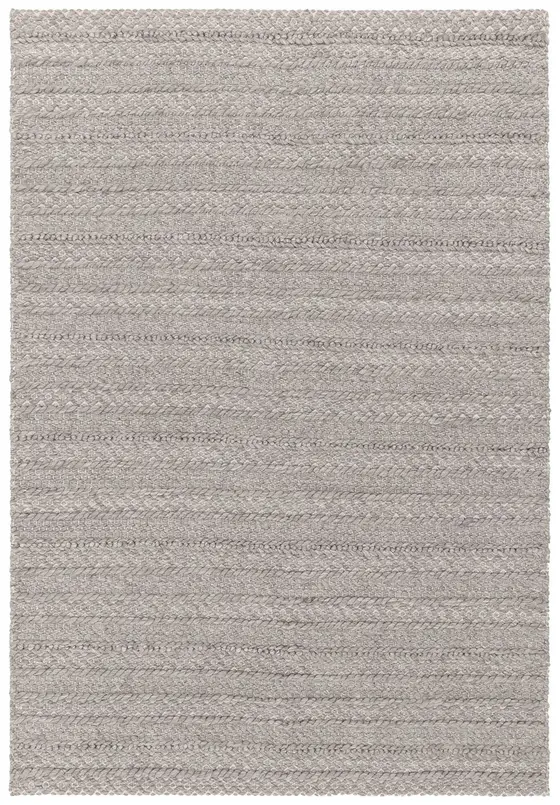
- Outdoor-grade recycled polyester rugs, such as the Grayson Outdoor Rug in Grey, are designed to cope with moisture and are among the safer choices for damp-prone rooms.
Flatweaves and low-pile constructions generally allow better airflow than deep shaggy rugs.
Room-Specific risks and solutions
Bathrooms, kitchens and rooms with external walls see the highest risk because of condensation and occasional splashes. In living rooms the main culprit is often condensation under sofas where air cannot circulate. Follow the standard UK layout rule of leaving 30-60 cm of floor visible around the rug; this gap helps air movement. Under dining tables allow at least 60 cm beyond the chairs so the rug is not sealed edge-to-edge against walls.
For bedrooms, position the rug so it shows 50-60 cm on each side of the bed. In small rooms reduce the border to 20 cm but still lift the rug weekly. Bedroom rugs in low-pile wool or polypropylene are easier to manage than thick viscose blends.
Prevention checklist
- Lift the rug every 7-14 days and let the floor dry fully.
- Use a breathable underlay only where recommended by the manufacturer; many glued-back hand-tufted rugs perform better without one.
- Choose polypropylene or outdoor-performance rugs in high-moisture areas; see our polypropylene rugs collection.
- Ventilate the room daily and fix any underlying damp issues before laying a rug.
- Blot spills immediately and never rub viscose or wool blends.
- In condensation-prone spots, consider a smaller rug or a machine-woven low-pile design that can be rolled away easily.
Signs a Rug is causing damp
Musty smells, dark patches on the floor edges, or black mould spots appearing after the rug has been down for several weeks are clear indicators. If the floor feels cold and clammy when the rug is lifted, improve ventilation or switch to a more tolerant material. Regular inspection prevents small issues becoming structural damp problems.
Best Rug types for damp-prone homes
Low-pile or flatwoven rugs allow better airflow. Machine-woven polypropylene rugs are quick-drying and widely available in practical sizes such as 160x230 cm for living rooms or 120x170 cm for smaller spaces. For a balance of comfort and practicality, look at medium-pile polyester designs that combine softness with moisture resistance. Avoid high-viscose content rugs in ground-floor rooms with poor ventilation.
Our large rugs and living room rugs include many suitable low-risk options that meet typical UK sizing needs while reducing the chance of trapped moisture.
| Material | Moisture Risk | Best Use |
|---|---|---|
| Polypropylene | Low | Kitchens, high-traffic areas |
| Wool | Medium | Living rooms with good ventilation |
| Viscose blends | High | Low-traffic bedrooms only |
| Recycled polyester | Low | Any room, including bathrooms |
Frequently asked questions
How often should I lift my rug to check for damp?
Lift and air the rug every 7-14 days in normal conditions. In rooms with known condensation or after any spill, check immediately and allow the floor to dry completely before replacing the rug. This simple habit prevents most mould issues.
Is it safe to put a rug on concrete floors?
Yes, provided the concrete is fully dry and you choose a water-tolerant rug. Polypropylene or recycled polyester rugs are safest. Always leave a border of at least 30 cm around the rug so air can reach the edges.
Can underlay cause mould under a rug?
Some foam or felt underlays can trap moisture if they are not breathable. Many hand-tufted rugs are designed to be used without underlay. Check the care guidance on the product page and opt for low-pile constructions where possible.
Do shaggy rugs cause more damp problems?
Thick shaggy rugs hold more air and moisture against the floor, making them higher risk in damp-prone rooms. Low-pile or flatwoven rugs are easier to keep dry and are better choices for ground floors or kitchens.
What should I do if I find mould under my rug?
Remove the rug, clean the floor with a mould-treatment solution suitable for the surface, allow it to dry thoroughly, then replace only with a more suitable rug. Address the source of moisture before laying a new rug.
Shop the guide
-
 Atlas Shaggy Rug in Emerald Green
from £59.98
-
 Atlas Shaggy Rug in Gunmetal Grey
from £59.98
-
 Atlas Shaggy Rug in Ivory Cream
from £59.98
-
 Atlas Shaggy Rug in Natural
from £59.98
Related guides
- Mould and Mildew on a Rug: Causes and What to Do
- Should a Rug Be Lighter or Darker Than the Floor?
- Do wool rugs cause static electricity?
- Can a rug damage a wooden floor?
- How to stop a rug slipping
- All rug guides
Questions about a specific rug? Every product page lists the maker's size, material, pile height and care details. Delivery is free and tracked to England, Wales and mainland Scotland, and you have 14 days to change your mind. See delivery and returns.