
Recycled PET rugs: eco-friendly options
Recycled PET rugs are made from plastic bottles that would otherwise go to landfill. The material is processed into polyester yarn, creating hard-wearing, stain-resistant floor coverings. They offer a practical choice for busy households because they tolerate spills and need only vacuuming or occasional spot cleaning.
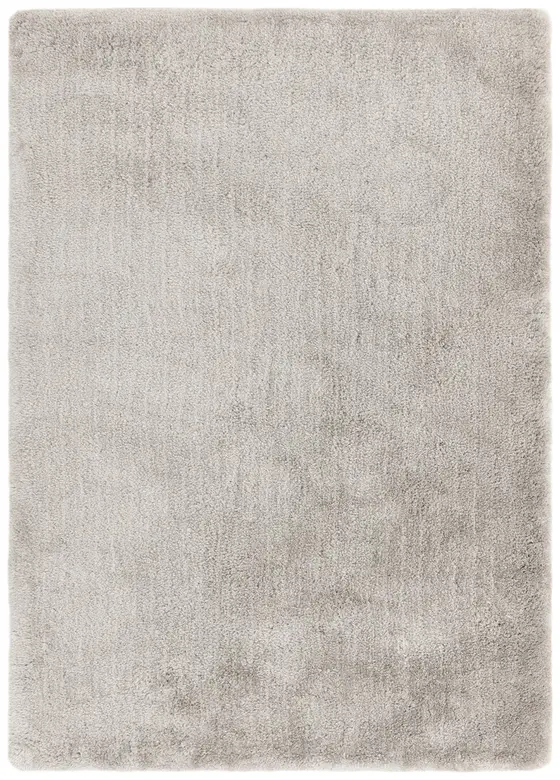
What is recycled PET?
Recycled PET, or polyethylene terephthalate, comes from used plastic bottles that are collected, cleaned, melted and extruded into fibres. These fibres are then spun into yarn for rug production. In rug form the material is usually labelled as recycled polyester or rPET.
Most recycled PET rugs on the market are hand-tufted or machine-made. The resulting pile can range from low and flat to shaggy. Because the fibre is synthetic it resists moisture and staining better than natural plant fibres such as jute or sisal.
Environmental benefits of choosing recycled PET rugs
Recycled PET rugs reduce demand for new petroleum-based polyester. The yarn is often traceable through certification schemes such as GRS (Global Recycled Standard), giving confidence that the recycled content is genuine.
Recycled PET rugs avoid the water-intensive processing needed for wool. They require no dyeing of virgin material in many cases.
How recycled PET compares with wool and polypropylene
Wool wool rugs offer natural resilience and soil-hiding properties but require more care with stains and can shed when new. Polypropylene rugs share stain resistance with recycled PET yet are usually made from virgin plastic. Recycled PET sits between the two: it matches polypropylene for water tolerance while adding a reduction in plastic waste.
Unlike viscose, recycled PET does not watermark easily. It is not as soft underfoot as high-quality wool but many ranges add texture through tufting techniques to improve comfort.
Practical performance in UK homes
Recycled PET rugs cope well with the UK climate. They tolerate damp shoes in hallways, spilled drinks in living rooms and pet accidents without permanent marks when cleaned promptly. The fibre itself is non-absorbent so liquid sits on the surface rather than soaking in.
Pile height affects feel and maintenance. Low-pile versions (under 15 mm) suit dining areas because chairs move easily and crumbs vacuum out quickly. Shaggy recycled PET rugs deliver softness in bedrooms but need more regular vacuuming to prevent matting.
Most recycled PET rugs are suitable for moderate traffic. In high-traffic hallways or kitchens, choose machine-made options with tighter construction. Hand-tufted recycled PET rugs have a glued backing so they should not be used in very wet areas such as bathrooms.
Choosing the right size and layout
Follow standard UK sizing rules for a balanced look. In living rooms leave 30-60 cm of floor visible around the rug edge. For a typical three-seater sofa a 160x230 cm rug works in smaller rooms while a 200x290 cm rug gives a more generous front-legs-on layout in larger spaces.
Under dining tables allow at least 60 cm beyond each side so chairs remain fully on the rug when pulled out. In bedrooms the rug should extend roughly 50-60 cm beyond each side of the bed. Runners 60-80 cm wide suit hallways.
Popular sizes stocked include 120x170 cm, 160x230 cm and 200x290 cm. These dimensions fit most UK rooms without excess waste.
| Room | Recommended rug size | Common layout |
|---|---|---|
| Living room (standard) | 160x230 cm or 200x290 cm | Front legs of sofa on rug |
| Small living room | 120x170 cm or 160x230 cm | All legs on rug if space allows |
| Dining room (4-6 chairs) | 200x290 cm | 60 cm beyond table edge |
| Bedroom (double bed) | 200x290 cm | 50-60 cm visible each side |
Care and cleaning advice
Vacuum regularly with a beater-bar-free cleaner to avoid damaging the tufts. For spills blot immediately with a dry cloth then use a mild detergent solution. Most recycled PET rugs can be spot-cleaned without watermarks because the fibre repels moisture.
Avoid steam cleaners or harsh chemicals that could affect the backing glue on hand-tufted versions. Rotate the rug every few months to even out wear. Outdoor recycled PET rugs need hosing down and complete drying to prevent mildew.
Compared with wool, recycled PET requires less specialist cleaning. Compared with sisal it tolerates wet spills far better. This makes the material a low-maintenance choice for families and pet owners.
Styling recycled PET rugs in modern homes
Recycled PET rugs come in plain, abstract and geometric patterns that suit contemporary interiors. Neutral shades such as cream, grey and beige blend with cream rugs and beige rugs while bolder colours add contrast. Many ranges coordinate with modern rugs and abstract rugs.
Layering a low-pile recycled PET rug over a larger plain base can add texture without overwhelming small rooms. In living rooms pair with living room rugs in complementary tones. For bedrooms choose softer shaggy options that feel warm under bare feet.
The material’s slight sheen can reflect light in north-facing rooms, helping spaces feel brighter. Because the colour is locked into the fibre during extrusion, recycled PET rugs resist fading better than some natural fibres.
Shop the range
Explore the full selection of recycled and eco-friendly designs at recycled rugs. For larger spaces see large rugs or 200x290 cm rugs. Those seeking softer texture may prefer shaggy rugs or low pile rugs within the recycled category.
Frequently asked questions
Are recycled PET rugs durable enough for homes with dogs?
Yes. The synthetic fibre resists abrasion and staining from mud or accidents. Prompt blotting prevents marks. Low-pile versions are easiest to keep clean in busy households with pets. Avoid very shaggy styles if your dog likes to dig at the pile.
Can you put recycled PET rugs outdoors?
Some ranges are specifically made for outdoor use and carry labels stating this. They drain well and resist UV fading and mildew when dried properly. Indoor-only hand-tufted recycled PET rugs should stay inside because the backing glue can degrade in constant damp.
How do recycled PET rugs feel compared with wool?
They are firmer underfoot than thick wool but many modern ranges add cut-and-loop textures for comfort. Shaggy recycled PET options can feel almost as soft as wool while remaining easier to clean. The difference is most noticeable when walking barefoot.
Do recycled PET rugs shed like wool?
Minimal shedding occurs after the first few weeks of vacuuming. Any loose fibres are usually manufacturing remnants rather than the continuous shedding seen with new wool rugs. Once settled they remain stable.
Are all recycled PET rugs certified?
Not every rug carries certification but many state GRS or similar standards on the product page. Check the materials section of each listing. Certified rugs provide independent verification that the recycled content meets recognised criteria.
Shop the guide
-
 Grayson Outdoor Rug in Grey
from £179.98
-
 Grayson Outdoor Rug in Cream
from £179.98
-
 Scion Swithland Wheat Rug
from £54.99
-
 Scion Mr Fox Yellow / White Rug
from £54.99
Related guides
- Playroom rug guide: safe, soft and easy-clean options
- How to Remove Pet Urine from a Rug
- How to Remove Dog and Cat Hair from a Rug
- Basement Rug Guide: Moisture-Resistant and Warming Options
- Eco-friendly rugs: natural, recycled and certified
- All rug guides
Questions about a specific rug? Every product page lists the maker's size, material, pile height and care details. Delivery is free and tracked to England, Wales and mainland Scotland, and you have 14 days to change your mind. See delivery and returns.