
How to Remove Dog and Cat Hair from a Rug
Removing dog and cat hair from a rug starts with regular vacuuming using a beater-bar attachment on low pile and a gentle suction head on deeper piles. For stubborn hair, a rubber brush or damp microfibre cloth lifts embedded strands without damaging fibres. Always work in the direction of the pile and test any liquid on an inconspicuous corner first to avoid watermarks, especially on viscose or wool.
Daily vacuuming routine
Most pet hair can be managed by vacuuming three to four times a week. Choose a vacuum with adjustable suction and a rotating brush bar for low-pile rugs; switch to a smooth floor head or upholstery tool for shaggy or high-pile surfaces to prevent fibres tangling. Empty the dust canister after each session so suction remains strong. On wool rugs, vacuum in the direction of the natural pile to avoid matting. Polypropylene rugs tolerate more vigorous brushing but still benefit from lower suction to stop crushing.
Choosing the right vacuum attachments
- Turbo or power head for low-pile polypropylene and polyester rugs
- Soft brush or parquet head for delicate viscose and hand-tufted wool
- Crevice tool for edges and under furniture where hair collects
Manual removal tools that work
When vacuuming alone is not enough, several inexpensive tools lift hair effectively. A rubber grooming brush or squeegee-style pet hair remover pulls strands to the surface in long sweeps. Lint rollers with wide sticky sheets handle smaller areas and are useful on low pile rugs. A damp kitchen sponge or microfibre cloth rubbed against the grain raises hair so it can be vacuumed away; allow the rug to dry completely afterwards.
For larger rugs, a rubber pet mitt worn on the hand works quickly across 160x230 cm or 200x290 cm living-room sizes. Always brush in short sections and collect the gathered hair immediately to stop it re-settling.
Material-specific techniques
Different rug fibres respond differently to hair removal. Wool is resilient and hides soil well but sheds slightly when new; use only dry methods or a very lightly damp cloth. Viscose (sometimes labelled bamboo silk) is soft and shiny yet highly water-sensitive; never use wet cloths or steam cleaners or you risk permanent watermarks and flattening. Polypropylene is more tolerant of damp wiping and vacuuming but can still crush under heavy pressure.
Hand-tufted rugs have a glued backing so avoid soaking them. Flatweave styles such as kilims collect less hair overall because they lack pile. When choosing a new rug for a pet-owning household, polypropylene rugs or outdoor-style synthetic rugs offer easier maintenance than natural fibres.
Deep cleaning without damage
For rugs that have built up hair over weeks, sprinkle a thin layer of baking soda, leave for 30 minutes, then vacuum thoroughly. The powder helps loosen trapped hair and absorbs odours. Follow with a rubber brush to bring remaining strands to the surface. Never use carpet shampoo on viscose or hand-knotted wool unless the care label states it is safe; most product pages on the site list recommended care.
Steam cleaning is risky on most household rugs because excess moisture can reach the backing and cause mildew or glue failure. Instead, professional hot-water extraction by a reputable cleaner is safer for wool rugs that tolerate it. Between deep cleans, rotate the rug 180 degrees every few months so wear and hair collection even out.
Preventing future hair build-up
Regular grooming of dogs and cats reduces the volume of loose hair that reaches the floor. Place a washable blanket or throw over the seating area so hair transfers there instead of the rug. In high-traffic living rooms a 160x230 cm or 200x290 cm rug with shorter pile shows less pet hair than a deep shaggy style. Consider plain textured rugs in mid-tone colours that disguise stray hairs better than pale or dark solids.
Keep a dedicated pet-hair roller or rubber brush near the rug for quick daily touch-ups. In bedrooms, smaller rugs benefit from being lifted and shaken outside once a week if the size allows.
Choosing pet-friendly rugs
When replacing a rug in a home with pets, look for sturdy construction and easy-care fibres. Hand-tufted polyester and polypropylene options clean more readily than delicate hand-knotted silk or viscose. Low to medium pile heights (under 15 mm) trap less hair than longer shag. Check the individual product pages for pile height, construction and care instructions before purchase. Outdoor-style rugs made from recycled polyester are particularly practical because they tolerate occasional damp wiping and shake clean.
For living rooms a front-legs-on layout with a rug that extends 15–30 cm beyond the sofa works for most UK sofas. In smaller rooms reduce to 20 cm of exposed floor around the edges. Under dining tables allow 60 cm extra on all sides so chair legs stay on the rug when pulled out.
| Rug Material | Best Daily Tool | Avoid |
|---|---|---|
| Wool | Soft vacuum brush, rubber squeegee | Excess water, steam |
| Polypropylene / PET | Beater bar vacuum, damp cloth | High heat |
| Viscose | Dry lint roller only | Any moisture |
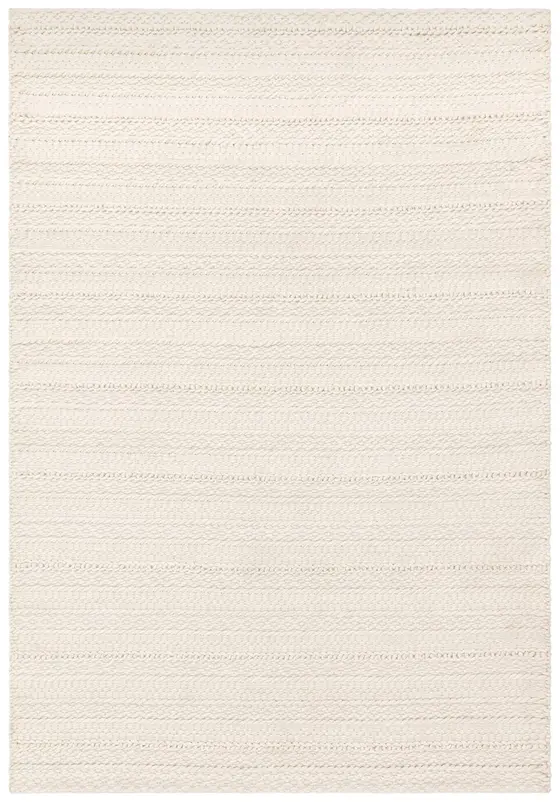
Practical choices include the Romy 12 Papercut Rug in Green or other recycled polyester designs that combine style with durability. For neutral schemes the Barnaby Wool Rug in Graphite offers natural resilience while the Grayson Outdoor Rug in Cream provides easy-clean synthetic performance.
Frequently asked questions
Does vacuuming damage wool rugs when removing pet hair?
Vacuuming does not damage wool when done correctly. Use a soft brush attachment or suction-only head and always follow the direction of the pile. Avoid aggressive beater bars on hand-tufted wool rugs. Regular vacuuming actually prolongs the life of a wool rug by removing abrasive grit along with the hair.
Can I use a lint roller on a shaggy rug?
A lint roller works on shaggy rugs for surface hair but is slow for large areas. Better results come from a rubber pet brush or squeegee that reaches deeper into the pile. Vacuum afterwards to remove the lifted hair. For very deep pile, gently rake with a wide-tooth comb designed for carpets.
How often should I deep clean a rug that has pets?
Deep cleaning frequency depends on the number of pets and rug material. Wool and polypropylene rugs in busy households usually need professional cleaning once every 12–18 months. Viscose rugs are harder to clean safely so rely more on daily vacuuming and spot brushing. Always follow the care instructions listed on each product page.
What is the easiest rug material for homes with dogs and cats?
Polypropylene and recycled polyester rugs are the easiest to maintain. They tolerate damp wiping, resist staining and recover well from vacuuming. Low-pile constructions show less embedded hair than high-pile or shaggy styles. Check the material and pile height on product pages before buying.
Should I choose a dark or light rug if I have pets?
Mid-tone colours such as beige, grey or patterned designs disguise pet hair better than solid black or white. Light cream rugs show every strand while very dark rugs highlight lighter-coloured fur. Textured or abstract patterns break up the appearance of scattered hair.
Shop the guide
-
 Atlas Shaggy Rug in Emerald Green
from £59.98
-
 Atlas Shaggy Rug in Gunmetal Grey
from £59.98
-
 Atlas Shaggy Rug in Ivory Cream
from £59.98
-
 Atlas Shaggy Rug in Natural
from £59.98
Related guides
- How to Remove Pet Urine from a Rug
- How to Remove Tea Stains from a Rug
- How to Remove Slime from a Rug
- How to Remove Paint from a Rug
- Rugs for homes with pets
- All rug guides
Questions about a specific rug? Every product page lists the maker's size, material, pile height and care details. Delivery is free and tracked to England, Wales and mainland Scotland, and you have 14 days to change your mind. See delivery and returns.