
Polypropylene Rugs: Pros, Cons and Buying Guide
Polypropylene rugs resist stains, tolerate water and suit high-traffic areas such as hallways, kitchens and living rooms. They are among the most affordable options and come in a wide range of colours and patterns. However they can flatten over time and are not heat-resistant, so they need careful placement away from open fires or radiators.
What is polypropylene?
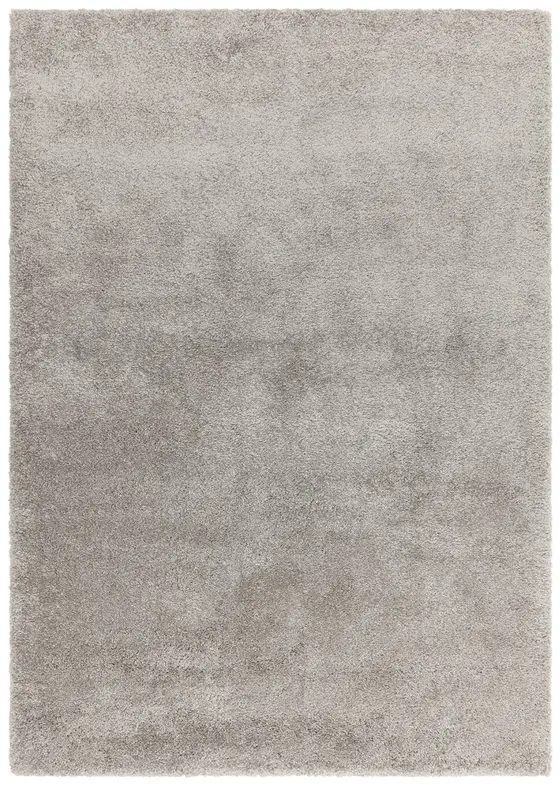
Polypropylene is a synthetic fibre made from polymer resin. In rugs it is usually machine-woven into flat or low-pile constructions. It is often blended with polyester to add softness. Product pages list the exact material mix, pile height and construction so you can check suitability before purchase.
Advantages of polypropylene rugs
Polypropylene rugs stand up to everyday spills and foot traffic better than many natural fibres. They dry quickly after cleaning and do not absorb moisture easily. This makes them easier to keep clean in households with children or pets. They are also lighter than wool rugs, which helps when moving them for vacuuming.
Because they are manufactured they usually cost less than wool or handmade rugs.
- Stain-resistant – most household spills wipe away with a damp cloth.
- Water-tolerant – suitable for kitchens, bathrooms and conservatories.
- Low maintenance – vacuum regularly; occasional spot cleaning is enough.
Browse all polypropylene rugs or view modern and abstract designs that use this fibre.
Disadvantages and limitations
Polypropylene is not as resilient as wool. Over time the pile can crush under heavy furniture, especially in high-traffic zones. It is also sensitive to heat and can melt or scorch if placed too close to a fire, radiator or hot cooking area.
The fibre does not hide dirt as well as wool, so darker or patterned designs are usually better in very busy rooms. It lacks the natural flame resistance of wool, which may matter in homes with open fires.
Compared with wool rugs, polypropylene feels less soft underfoot and can feel slightly plastic in very warm rooms. It is also less environmentally friendly because it is derived from petroleum.
Suitability for high-traffic areas
In hallways, kitchens and living rooms with constant use, polypropylene performs well provided you choose a low-pile or flatweave style. Avoid very shaggy polypropylene rugs in these zones because the long fibres mat and trap grit. A low-pile design in a 160x230 cm or 200x290 cm size works for most UK living rooms when using a front-legs-on layout.
Polypropylene vs other materials
Wool is more resilient and naturally soil-hiding but requires more careful cleaning and costs more. Viscose looks luxurious when new but marks easily with water. Jute and sisal are hard-wearing plant fibres yet dislike moisture and can stain. Polypropylene sits between these options: tougher than viscose, cheaper than wool and more water-tolerant than natural plant fibres.
For rooms that need both softness and durability, a polypropylene-polyester blend often gives the best balance. Check the exact percentage on each product page.
See also low pile rugs and high-low and carved designs that use this fibre.
Buying guide for UK homes
Measure your space first. In most living rooms leave 30-60 cm of floor visible around the rug. Under a dining table allow 60 cm on every side so chairs remain on the rug when pulled out. For a bed, aim for 50-60 cm showing on each side.
Choose size from the common UK options: 120x170 cm for small areas, 160x230 cm for standard living rooms, 200x290 cm or 200x300 cm for larger sofas. A 3-seater sofa usually pairs with a 200x290 cm rug in front-legs-on layout; downsize to 160x230 cm in compact rooms.
Look at pile height. Low pile is easiest to clean in high-traffic areas. Shaggy polypropylene rugs suit bedrooms where traffic is lighter.
Check construction: machine-woven polypropylene is consistent and hard-wearing. Avoid placing any polypropylene rug directly in front of a heat source.
Match colour and pattern to your scheme. Plain beige and grey polypropylene rugs are versatile; abstract or multicoloured designs hide marks better in busy homes. Beige and natural rugs and grey rugs are popular choices.
Care and cleaning
Vacuum regularly. For spills, blot immediately with kitchen towel then clean with a mild detergent solution. Do not rub or soak the rug. Allow it to dry fully before walking on it again.
Never use harsh chemicals or steam cleaners on polypropylene; heat can damage the fibres. Keep the rug away from direct heat sources at all times.
Popular polypropylene styles in the UK
Modern abstract patterns, plain textured designs and subtle high-low pile effects are all widely available. Many ranges offer matching sizes so you can coordinate living room, dining room and hallway areas. Living room rugs and dining room rugs both contain large selections of polypropylene options.
Frequently asked questions
Are polypropylene rugs good for homes with pets?
Yes. They resist stains from mud, food and drink, and clean easily with a damp cloth. Choose low-pile styles so pet hair does not get trapped. Avoid very shaggy polypropylene if you have long-haired dogs or cats.
Can you put polypropylene rugs in a kitchen?
They are well suited to kitchens because they tolerate water and wipe clean. Select a low-pile or flat design in a size that leaves 30-60 cm of floor showing around the edges. Keep the rug away from the cooker.
Do polypropylene rugs shed?
They shed far less than new wool rugs. Any loose fibres usually disappear after the first few vacuuming sessions. Blended polypropylene and polyester rugs shed the least.
Are polypropylene rugs slippery on wooden floors?
Most lie flat once unrolled. On polished wood a non-slip underlay is advisable for safety, especially with runners. The product page will state pile height and construction which affect how much the rug moves.
Shop the guide
-
 Atlas Shaggy Rug in Emerald Green
from £59.98
-
 Atlas Shaggy Rug in Gunmetal Grey
from £59.98
-
 Atlas Shaggy Rug in Ivory Cream
from £59.98
-
 Atlas Shaggy Rug in Natural
from £59.98
Related guides
- Sisal rugs: pros, cons and styling tips
- Loop pile rugs: pros, cons and care
- Rug vs Carpet: Pros, Cons and Best Choice for UK Homes
- Cotton vs Wool Rugs: Pros, Cons and Best Uses
- Rug materials explained: wool, jute, viscose, polypropylene and more
- All rug guides
Questions about a specific rug? Every product page lists the maker's size, material, pile height and care details. Delivery is free and tracked to England, Wales and mainland Scotland, and you have 14 days to change your mind. See delivery and returns.