
Loop pile rugs: pros, cons and care
Loop pile rugs are made from uncut yarn loops that create a textured, durable surface. They resist crushing better than cut pile rugs in high-traffic areas and offer a casual, tactile look, but they can snag on sharp objects and require careful vacuuming. Most UK buyers choose them for living rooms or hallways where resilience matters more than a plush feel.
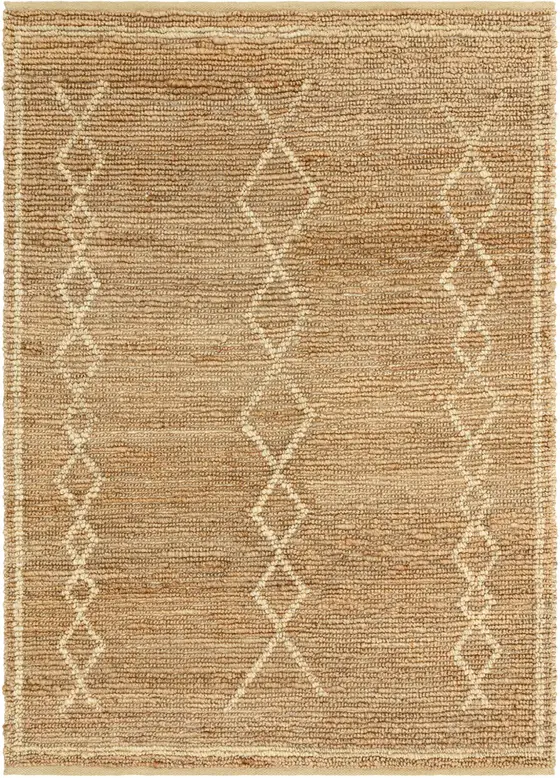
What is a loop pile rug?
A loop pile rug has yarns that remain uncut, forming continuous loops anchored into the backing. This differs from cut pile where the loops are sheared to create an open surface. Loop constructions appear in both flatweave styles with low loops around 4-6 mm and higher loop piles up to 13 mm. The structure makes the surface firmer underfoot and often more patterned or textured than cut pile options.
Common UK sizes for loop pile rugs include 120x170 cm, 160x230 cm and 200x290 cm. In living rooms, leave 30-60 cm of floor visible around the edges. For a 3-seater sofa, a 160x230 cm rug works in smaller rooms while 200x290 cm suits larger spaces with a front-legs-on layout.
Advantages of loop pile rugs
Loop pile rugs stand up well to foot traffic because the loops distribute weight evenly and resist flattening. This makes them suitable for busy family homes. The texture adds grip underfoot, which can feel more secure than slippery cut pile surfaces.
Many loop designs hide marks and crumbs effectively. Natural fibre versions in wool rugs combine this soil-hiding quality with natural resilience. Loop pile also tends to show less vacuum cleaner marks than high cut pile rugs.
- Good wear resistance in hallways and living rooms
- Textured appearance that suits modern and coastal interiors
- Often available in neutral tones such as beige and cream
- Lower pile heights make them easier to slide furniture over
Disadvantages of loop pile rugs
The main drawback is that loops can catch on pet claws, children’s toys or sharp heels and pull. A single pulled loop can create a ladder effect that requires repair. Loop pile also feels firmer than deep cut pile, so it may not suit bedrooms where softness is preferred.
Some loop constructions trap dirt deeper than flatweaves. In homes with heavy shedding pets, regular maintenance is essential. Viscose loop rugs are particularly vulnerable to watermarks and crushing, while jute loop rugs can stain if exposed to moisture.
Considerations for homes with pets
Dogs and cats can snag loops with their claws. Short, tight loops in polypropylene or tightly woven wool perform better than long, loose loops. Check product pages for pile height and construction details before buying.
Durability and materials
Durability depends heavily on fibre. Wool loop pile rugs offer natural spring and are flame-resistant relative to synthetics, though they shed when new. Polypropylene loop rugs tolerate spills well and resist stains but can flatten over time and are not heat-resistant. Jute loop pile provides a hard-wearing natural texture but dislikes water and can show marks.
Blends such as wool and jute combine softness with strength. The Souk Jute Rug in Natural uses hand-woven loop pile approximately 13 mm high for a robust, textured finish. Power-loomed wool and jute blends like the Korra range deliver consistent loop height around 6 mm and suit larger rooms.
For living rooms, consider living room rugs in loop construction that extend 15-30 cm beyond each end of the sofa. Dining areas need at least 60 cm extra on all sides of the table so chairs remain on the rug when pulled out. Under beds, aim for 50-60 cm showing on each side.
Care and cleaning
Vacuum loop pile rugs regularly with a suction-only cleaner or a beater bar on low setting. Avoid rotating brushes that can pull loops. Rotate the rug every six months to even out wear. Address spills immediately by blotting with a clean cloth – never rub.
Most manufacturers recommend professional cleaning for wool loop rugs. Polypropylene versions tolerate gentle machine washing in some sizes but always check care labels. Jute loop rugs should only be dry cleaned or spot cleaned with minimal water.
- Vacuum at least twice weekly in high-traffic areas
- Blot spills within minutes using plain water or mild detergent
- Keep away from direct sunlight to prevent fading
- Use a non-slip underlay to reduce movement and wear
Hand-tufted loop rugs have a glued backing that can degrade if soaked, so avoid over-wetting. Flatwoven loop styles such as kilims are easier to maintain but lack the cushioning of piled versions.
Choosing the right loop pile rug
Match the loop height to the room. Low loops around 4-8 mm suit dining rooms and hallways where chairs and feet move frequently. Higher loops of 10-13 mm add more texture but need lower traffic. Consider colour: plain loop designs in grey, beige or cream hide everyday marks better than bold patterns.
Check the product page for exact pile height, construction method and care instructions. Hand-woven loop rugs often feel more characterful but cost more than machine-made. For smaller spaces, small rugs in loop pile can define areas without overwhelming the room.
Modern abstract patterns work well in loop construction because the texture enhances the design. Many buyers combine loop pile with cut pile in the same room for contrast, such as pairing a textured loop runner with a plush living room centrepiece.
| Material | Pros | Cons | Best for |
|---|---|---|---|
| Wool | Resilient, soil-hiding | Sheds initially, needs professional cleaning | Living rooms, bedrooms |
| Polypropylene | Stain-resistant, affordable | Can flatten, not heat-resistant | Hallways, dining rooms |
| Jute | Natural texture, hard-wearing | Water-sensitive, can mark | Low-moisture areas |
Loop pile rugs offer a practical middle ground between flatweaves and deep shaggy styles. They deliver texture and durability when chosen and maintained correctly. Browse plain and textured rugs or modern rugs to see current loop options in neutral and coloured finishes.
Frequently asked questions
Are loop pile rugs good for high traffic areas?
Yes. The continuous loops distribute weight and resist flattening better than many cut pile rugs. Tight, low loops in wool or polypropylene perform best in hallways and family living rooms. Avoid very loose loops if the area sees heavy use.
Do loop pile rugs shed?
Wool loop pile rugs shed for the first few weeks as loose fibres work out. Synthetic loop rugs shed far less. Regular vacuuming removes the initial shedding. Jute loop rugs do not shed but can release small plant fibres when new.
Can you vacuum loop pile rugs?
Use a suction-only vacuum or set the beater bar to low. Aggressive rotating brushes can snag and pull loops. Vacuum in the direction of the pile and avoid excessive pressure. Weekly cleaning prevents dirt embedding between the loops.
Are loop pile rugs suitable for homes with dogs?
It depends on the dog and the rug. Short, tight loops in durable fibres reduce snagging risk. Long or loose loops are easily caught by claws. Check pile height on the product page and consider darker colours to hide paw prints.
How do loop pile rugs compare to cut pile?
Loop pile feels firmer and more textured while cut pile feels softer and plusher. Loop constructions usually wear better in busy areas but can snag. Cut pile shows footprints and vacuum marks more clearly. Many modern rugs combine both in high-low patterns.
Shop the guide
-
 Colores Cloud Gardenia CO01 Outdoor Rug in Multicoloured
from £69.98
-
 Colores Cloud Ethereal CO03 Rug in Multicoloured
from £69.98
-
 Colores Cloud Galactic CO04 Rug in Multicoloured
from £69.98
-
 Colores Cloud Digital CO05 Rug in Multicoloured
from £69.98
Shop all plain & textured rugs
Related guides
- Sisal rugs: pros, cons and styling tips
- Polypropylene Rugs: Pros, Cons and Buying Guide
- Rug vs Carpet: Pros, Cons and Best Choice for UK Homes
- Cotton vs Wool Rugs: Pros, Cons and Best Uses
- Jute rugs: pros, cons and care
- All rug guides
Questions about a specific rug? Every product page lists the maker's size, material, pile height and care details. Delivery is free and tracked to England, Wales and mainland Scotland, and you have 14 days to change your mind. See delivery and returns.