
Sisal rugs: pros, cons and styling tips
Sisal rugs are made from the tough fibres of the agave plant, giving a coarse, natural texture that suits modern and coastal rooms. They are hard-wearing, grip well underfoot and hide everyday marks better than many pale plain rugs, yet they dislike water and can stain if spills are not blotted immediately. Most UK buyers choose them for living rooms or hallways where traffic is high but moisture is low.
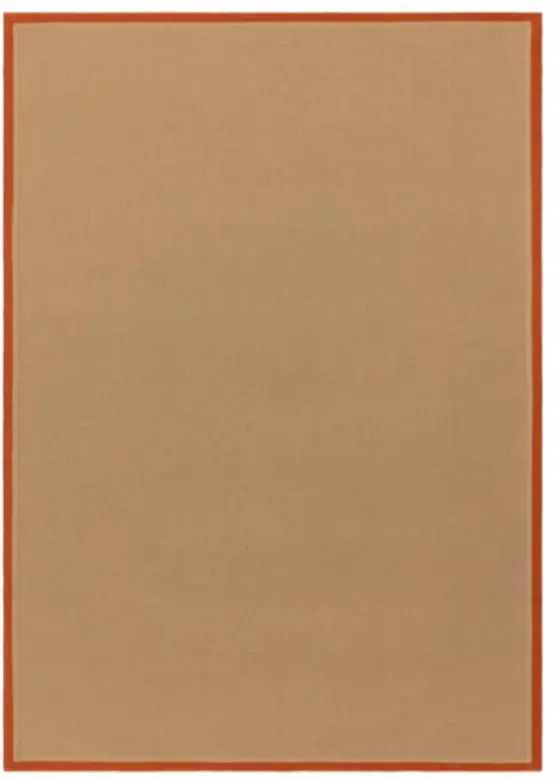
What is sisal fibre
Sisal comes from the leaves of the agave sisalana plant. The long, strong fibres are extracted, dried and spun into yarn for weaving. In rugs the fibre is usually woven into a flatweave or low-loop construction with a jute or cotton backing. Pile height is typically 4-8 mm, making the surface feel textured rather than soft. The natural beige or golden tones vary slightly between batches, which is normal for a plant fibre.
Pros and cons of sisal rugs
Before buying, weigh the practical realities. Sisal performs differently from wool or polypropylene rugs sold on this site.
- Hard-wearing and resists abrasion in busy areas
- Natural grip so it stays in place without extra underlay
- Soil-hiding neutral colours suit cream and beige schemes
- Feels cooler in summer
Drawbacks are equally important:
- Water-sensitive: spills must be blotted at once or marks appear
- Can feel coarse under bare feet or for young children
- Prone to staining from acidic liquids such as wine or pet urine
- Fades if placed in direct sunlight for long periods
Compare with wool rugs if you need more resilience to moisture, or polypropylene rugs for outdoor or kitchen use.
Texture, look and feel
Sisal has a distinctive rough, fibrous surface that adds interest without pattern. The weave creates subtle shadow and light play, especially in boucle or herringbone styles. It pairs well with smooth linen sofas or leather furniture. In small rooms a 120x170 cm sisal rug can define a seating area while leaving 30-60 cm of floor visible around the edge. Larger 160x230 cm or 200x290 cm sizes work for front-legs-on layouts under a 3-seater sofa in most UK living rooms.
Room suitability
Use sisal in dry rooms with moderate traffic. Living rooms and bedrooms are ideal. Avoid bathrooms, kitchens or areas near sinks. In dining rooms choose a size that extends 60 cm beyond the table on all sides so chairs remain on the rug when pulled out. Under beds leave 50-60 cm showing on each side for a balanced look. Hallways and landings suit runners 60-80 cm wide.
Care requirements
Daily maintenance is straightforward but spills need prompt action. Vacuum regularly with a suction-only cleaner; avoid rotating brushes that can pull fibres. For stains, blot immediately with a dry cloth then dab with a mild detergent solution. Never soak the rug. Rotate the rug every six months to even out wear. Because sisal is plant-based it can shed slightly when new, but this settles within weeks.
Styling tips for UK homes
Layer a soft plain rug or sheepskin on top of sisal in seating areas for comfort underfoot. Contrast the natural texture with modern abstract designs or add colour through cushions. In neutral schemes, sisal works with grey, cream or beige sofas. For coastal looks combine with blue accents. In bedrooms a large 200x290 cm rug creates a soft landing while showing timber floor around the edges. Mix with beige rugs or cream rugs for tonal depth. Avoid placing near radiators or fireplaces where heat can dry the fibre and cause cracking.
Sisal versus other natural fibres
Sisal is coarser than jute but more hard-wearing. Jute dislikes water even more and can leave marks on floors. Compared with wool, sisal feels firmer. Many buyers combine both: a wool pile rug in the main seating area and a sisal runner in the hallway. Handmade or power-loomed versions exist; the latter are more affordable and consistent in size. Always check the product page for exact construction and care instructions.
| Material | Water tolerance | Feel underfoot | Best rooms |
|---|---|---|---|
| Sisal | Low | Textured, firm | Living, hall, bedroom |
| Wool | Medium | Soft, resilient | All dry rooms |
| Jute | Very low | Rough | Low-traffic areas |
| Polypropylene | High | Smooth or textured | Kitchen, outdoor |
For smaller spaces see our range of small rugs. Larger homes often choose from large rugs in 200x290 cm or 200x300 cm.
Frequently asked questions
Are sisal rugs suitable for homes with dogs or cats?
Sisal is durable enough for most pets but claws can snag loops. Its coarse texture hides paw prints and light dirt better than pale wool. Wipe accidents immediately with a dry cloth then dab with diluted vinegar. Avoid if your pet chews or has frequent toileting accidents indoors.
Can you use sisal rugs outdoors?
Standard sisal rugs are not recommended for outdoor use because rain will stain and weaken the fibre. Choose synthetic outdoor rugs instead such as the Colores Cloud range. If the area is covered, a sisal runner may work but must be brought inside during wet weather.
How do I stop a sisal rug from shedding?
Some loose fibres appear when the rug is new. Vacuum with a smooth floor head on a low suction setting for the first month. Avoid aggressive brushing. Shedding normally reduces after a few weeks of regular use and rotation.
What size sisal rug do I need under a dining table?
Measure the table and add at least 60 cm on every side so chairs stay fully on the rug when pulled out. For a six-seater table a 200x290 cm or larger size is typical. Check the exact product dimensions before ordering.
Do sisal rugs work with underfloor heating?
Yes, the thin low-pile construction allows heat to pass through. Keep the heating temperature moderate and avoid placing heavy furniture directly on the rug for long periods. Monitor for any drying or cracking over time.
Shop the guide
-
 Colores Cloud Gardenia CO01 Outdoor Rug in Multicoloured
from £69.98
-
 Colores Cloud Ethereal CO03 Rug in Multicoloured
from £69.98
-
 Colores Cloud Galactic CO04 Rug in Multicoloured
from £69.98
-
 Colores Cloud Digital CO05 Rug in Multicoloured
from £69.98
Shop all plain & textured rugs
Related guides
- Polypropylene Rugs: Pros, Cons and Buying Guide
- Loop pile rugs: pros, cons and care
- Rug vs Carpet: Pros, Cons and Best Choice for UK Homes
- Cotton vs Wool Rugs: Pros, Cons and Best Uses
- Jute rugs: pros, cons and care
- All rug guides
Questions about a specific rug? Every product page lists the maker's size, material, pile height and care details. Delivery is free and tracked to England, Wales and mainland Scotland, and you have 14 days to change your mind. See delivery and returns.