
Ikat, Aztec and Tribal-Inspired Rug Patterns Explained
Aztec rugs typically feature bold geometric shapes, repeating motifs and strong contrasting colours drawn from traditional Mesoamerican designs. Ikat patterns show blurred or feathered edges created by dyeing yarns before weaving, while tribal-inspired rugs use simplified symbols, stripes and diamonds that reflect nomadic weaving traditions. Choosing the right pattern depends on room size, existing furniture and how much visual impact you want.
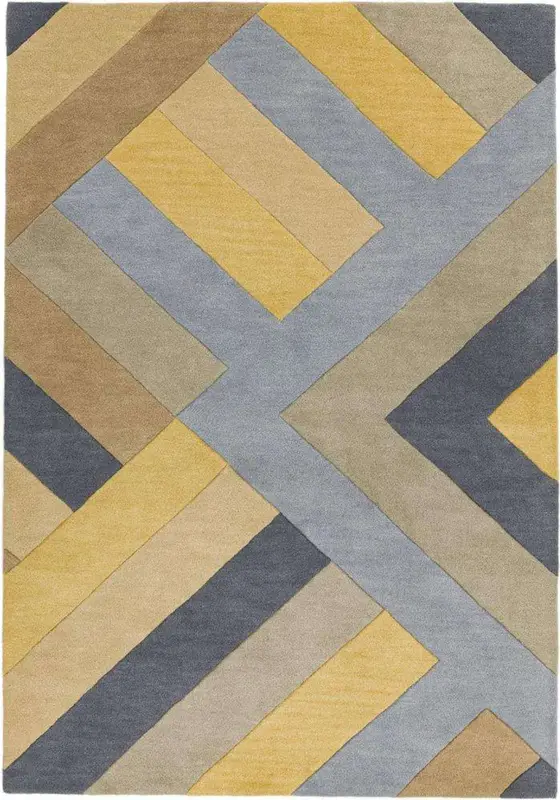
What is an Aztec rug?
An Aztec rug uses geometric repeats such as stepped diamonds, zigzags, triangles and angular lines. These motifs originally drew from ancient Central American textile traditions but are now simplified for modern machine and hand production. Most versions use two to four colours to keep the design crisp. In UK homes an Aztec design works best in living rooms where it can anchor a seating area without competing with patterned upholstery.
When measuring for a living room, follow the front-legs-on rule: the rug should extend 15-30 cm past each end of the sofa. A 160x230 cm or 200x290 cm size usually suits a three-seater in an average room, leaving 30-60 cm of floor visible around the edges.
Modern rugs in Aztec style are often polypropylene or polyester, making them practical for homes with children or pets.
Ikat patterns in rugs
Ikat is a resist-dye technique. Sections of yarn are tightly bound before dyeing so the dye cannot reach them, producing characteristic blurred edges when the yarn is woven. In rugs the effect appears as soft, feathered geometric or abstract shapes rather than razor-sharp lines.
Because many ikat-style rugs use viscose for the shine that highlights the blurred edges, they need careful placement away from heavy foot traffic and spilled drinks. Wool-viscose blends offer a practical compromise: the wool adds resilience while the viscose gives the signature lustre.
A wool rug with ikat influence, such as the Matrix Infinity in sage, combines the soft blurred look with better crush resistance than pure viscose.
Tribal-inspired rug designs
Tribal patterns simplify motifs from various nomadic cultures. Common elements include hooked diamonds, arrowheads, stripes, chevrons and stylised animals or figures. The designs are usually bold and graphic, often rendered in earthy tones or high-contrast black and white.
These rugs suit both contemporary and traditional rooms because the simplicity stops them looking dated. In smaller UK rooms a 120x170 cm tribal design can define a seating corner while leaving at least 20 cm of floor showing on all sides.
Many tribal looks are now produced as low-pile or flatweave styles that are easier to keep clean in hallways or dining areas.
Choosing the right size for pattern-heavy rugs
Patterned rugs need enough space to show the repeat. In living rooms leave 30-60 cm of bare floor around the rug. Under a dining table allow 60 cm beyond each edge so chairs remain on the rug when pulled out. For a standard six-seater table a 200x290 cm or larger rug is usually required.
Bedroom placement is simpler: the rug should extend 50-60 cm beyond each side of the bed. Runners 60-80 cm wide work well beside the bed or in hallways where a tribal stripe can add length without overwhelming the space.
Common UK sizes that work for Aztec, ikat or tribal patterns include:
- 120x170 cm – small seating areas or children’s rooms
- 160x230 cm – standard three-seater sofas in average rooms
- 200x290 cm or 200x300 cm – larger living rooms or open-plan spaces
Materials and practical considerations
Polypropylene and polyester versions are stain-resistant and water-tolerant, ideal for kitchens, dining rooms or busy households. They can crush over time in high-traffic zones but recover better than viscose. Wool offers natural resilience and soil-hiding properties, though it sheds when new. Viscose adds shine that emphasises ikat blurring but marks easily with water.
Hand-tufted rugs have a glued backing and suit moderate traffic. Machine-woven options are usually flatter and more hard-wearing for dining or hallway use.
A practical choice for an Aztec look is the 160x230 cm size in a polypropylene construction; it tolerates spills while the geometric pattern hides everyday marks.
Styling tips for UK homes
Pair a bold Aztec or tribal rug with plain sofas in neutral tones so the pattern becomes the focal point. In rooms with wooden floors, a cream or beige base colour softens the geometry. For a calmer scheme choose an ikat design in muted sage or putty rather than high-contrast primaries.
In open-plan kitchens and living areas a low-pile tribal rug under the dining table prevents crumbs lodging in deep pile while still defining the zone. The same rug can be echoed with a smaller version in the seating area if the patterns are from the same collection.
Consider pile height carefully. Shaggy rugs soften the hard lines of geometric patterns but make the design less distinct. Low-pile or flatweave options keep the motif sharp.
| Pattern Type | Typical Colours | Best Room Use | Material Recommendation |
|---|---|---|---|
| Aztec geometric | Ochre, terracotta, navy, cream | Living room, dining | Polypropylene or wool blend |
| Ikat blurred | Sage, clay, soft grey | Bedroom, low-traffic lounge | Wool and viscose |
| Tribal motifs | Black, natural, rust, teal | Hall, kitchen, bedroom | Polyester or low-pile wool |
Link to useful ranges: explore living room rugs, dining room rugs, bedroom rugs or large rugs to see current stock in these styles.
Frequently asked questions
Are Aztec rugs suitable for high-traffic areas?
Machine-made Aztec designs in polypropylene or polyester cope well with daily use and are easier to keep clean than wool or viscose. Avoid deep-pile versions in hallways or main thoroughfares because dirt settles between the tufts. A low-pile or flatwoven Aztec rug is the most practical choice.
What is the difference between ikat and Aztec patterns?
Aztec patterns use sharp geometric repeats with stepped edges and clear lines. Ikat patterns show deliberately blurred or feathered outlines caused by dyeing the yarn before weaving. Both can use similar colours but the visual effect is crisp versus soft.
Do tribal rugs work in modern interiors?
Simplified tribal designs with graphic diamonds, stripes and chevrons sit comfortably in contemporary rooms. Choose neutral or earthy tones to prevent the pattern dominating. A 160x230 cm size usually works under a three-seater sofa in most UK living rooms.
How do I clean a viscose ikat rug?
Viscose is sensitive to water and can develop permanent marks. Blot spills immediately with a dry cloth and avoid rubbing. Professional cleaning is safest. Many homeowners choose wool-viscose blends instead because the wool content improves stain resistance and resilience.
Can I use an Aztec rug under a dining table?
Yes, provided the rug extends at least 60 cm beyond the table on all sides so chairs stay on the rug when pulled out. Low-pile polypropylene or polyester versions are easiest to maintain because crumbs do not lodge in deep pile.
Shop the guide
-
 Myrtle Avenue V Rug in Green
from £139.98
-
 Myrtle Avenue IV Rug in Brown & Cream
from £79.98
-
 Myrtle Avenue III Rug in Brown & Cream
from £79.98
-
 San Francisco Rug in Sage Green & Neutral
from £69.98
Related guides
- Persian and Oriental Rug Style Guide: Traditional Patterns for UK Rooms
- Maximalist Rug Style Guide: Layering Bold Patterns and Colour
- How to mix patterned rugs and cushions
- Geometric Rug Style Guide: Patterns and Styling Ideas for UK Homes
- Rug materials explained: wool, jute, viscose, polypropylene and more
- All rug guides
Questions about a specific rug? Every product page lists the maker's size, material, pile height and care details. Delivery is free and tracked to England, Wales and mainland Scotland, and you have 14 days to change your mind. See delivery and returns.