
How to mix patterned rugs and cushions
Mixing rug patterns works when you vary scale and pair contrasting motifs with a shared colour palette. Choose one large-scale pattern as the main rug, then add smaller geometric or abstract cushions that echo one or two hues. Keep pile heights similar and leave 30-60 cm of floor visible around the rug so the combination feels balanced rather than busy.
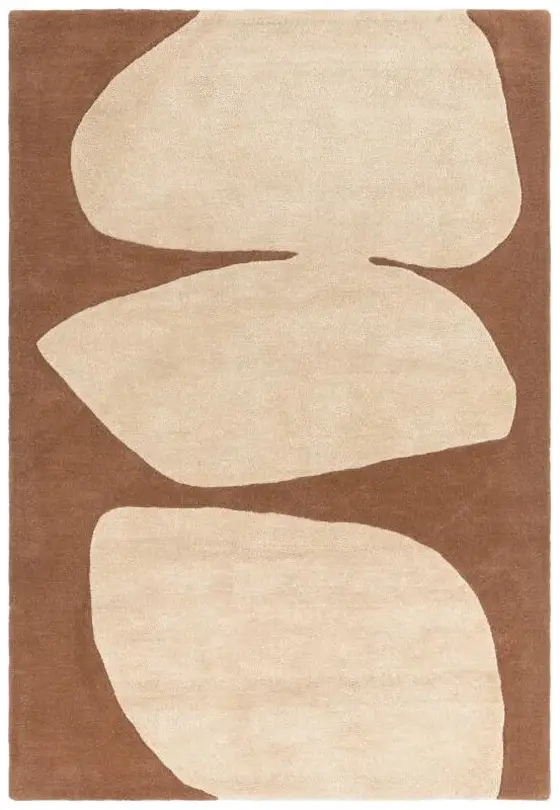
Choose scale first
The foundation of successful pattern mixing is scale contrast. A large-scale abstract or geometric rug needs smaller-scale motifs on cushions to avoid visual competition. In most UK living rooms a 160x230 cm or 200x290 cm rug sets the dominant pattern while cushions at 45x45 cm or 50x50 cm provide supporting detail.
Measure your seating area before buying. A 3-seater sofa usually suits a 200x290 cm rug laid front-legs-on, leaving 15-30 cm past each end. In smaller rooms a 160x230 cm size prevents the pattern from overwhelming the space while still allowing room for patterned cushions.
Scale checklist
- Main rug: largest pattern (abstract or bold geometric)
- Cushions: medium or small motifs (1/3 to 1/2 the rug scale)
- Avoid two large-scale patterns in the same zone
Modern abstract rugs often provide the ideal large-scale base because their open designs leave space for detailed cushions.
Work with a restrained colour palette
Limit the total number of colours to three or four across rug and cushions. Pick two dominant hues from the rug and repeat them in the cushions, adding one accent colour for interest. Neutral bases such as beige, cream or grey make pattern mixing easier because they anchor bolder motifs.
Wool rugs hide minor colour variations better than synthetics. For high-traffic areas consider polypropylene rugs that tolerate spills.
Combine different motifs
Geometric rugs pair successfully with organic or abstract cushions. A linear stripe or arrow design contrasts nicely with soft ikat or watercolour-style prints. Florals work when kept tonal and paired with geometric rather than another floral.
Wool rugs include many options that combine well with both plain and patterned cushions.
Motif pairing guide
- Geometric rug + abstract cushions
- Abstract rug + simple linear cushions
- Low-contrast tonal rug + bolder patterned cushions
- Striped runner + plain or small motif cushions in hallways
A living room rug in a neutral abstract design gives the flexibility to change cushion covers seasonally without buying a new rug.
Consider texture and pile height
Texture contrast prevents patterns from competing. Keep pile heights within 10-15 mm of each other so the eye reads them as a family rather than separate elements.
Low-pile options are easier to keep clean and maintain crisp pattern edges when mixed with multiple cushion designs.
For bedrooms, a softer wool rug offers comfort underfoot while still supporting pattern. See the range of bedroom rugs for options that layer well with cushions.
Room-specific tips
In dining rooms the rug must extend 60 cm beyond the table on all sides so chairs remain on the rug when pulled out. Here a subtle patterned rug prevents the floor from looking busy under tableware. Living rooms allow bolder mixes, especially with a front-legs-on layout on a 200x290 cm rug.
Hallways and kitchens benefit from runners 60-80 cm wide. A simple geometric runner leaves scope for one or two patterned cushions on a bench or window seat without pattern overload.
Outdoor areas need water-tolerant materials. Polypropylene rugs in taupe or neutral tones mix well with indoor cushions brought outside temporarily.
Practical maintenance
Patterned surfaces hide marks better than plain but still require regular care. Vacuum in the pile direction and rotate the rug every six months to even out wear. Wool is resilient and soil-hiding, while polypropylene tolerates spills.
Always follow the care instructions listed on each product page.
Start with a neutral beige rug or cream rug if you are new to mixing patterns; these bases accept a wide range of cushion designs as your confidence grows.
Frequently asked questions
Can you mix different patterned rugs in one room?
Yes, but keep one rug as the dominant pattern and use a second smaller rug in a clearly different scale and zone. A large 200x290 cm geometric rug in the seating area can pair with a smaller plain or low-contrast runner in a hallway. Maintain 30-60 cm of visible floor between them.
How many patterns is too many in a living room?
Most UK living rooms work best with three patterns total: the main rug, one cushion style and a secondary cushion or throw. Adding a fourth pattern risks visual clutter unless all share the same two colours and vary significantly in scale.
Should patterned cushions match the rug exactly?
No. Exact matching creates a flat look. Instead pick cushions that share one or two colours from the rug but introduce a different motif scale or style. This creates depth while keeping the scheme cohesive.
Do patterned rugs work better in large or small rooms?
Large rooms tolerate bolder patterns more easily because there is space to balance them with plain floor and furniture. In small rooms choose lower-contrast patterns and keep the rug size to 160x230 cm with 30-60 cm of floor showing around the edges.
What rug materials hide pattern wear best?
Wool naturally hides soil and foot traffic marks while maintaining pattern clarity. Polypropylene is stain-resistant and water-tolerant, making it practical for homes with children or pets, although it can show crushing over time.
Shop the guide
-
 Myrtle Avenue V Rug in Green
from £139.98
-
 Myrtle Avenue IV Rug in Brown & Cream
from £79.98
-
 Myrtle Avenue III Rug in Brown & Cream
from £79.98
-
 San Francisco Rug in Sage Green & Neutral
from £69.98
Related guides
- Should your rug match your curtains, cushions or sofa?
- Persian and Oriental Rug Style Guide: Traditional Patterns for UK Rooms
- Maximalist Rug Style Guide: Layering Bold Patterns and Colour
- Ikat, Aztec and Tribal-Inspired Rug Patterns Explained
- What size rug do I need? A room-by-room guide
- All rug guides
Questions about a specific rug? Every product page lists the maker's size, material, pile height and care details. Delivery is free and tracked to England, Wales and mainland Scotland, and you have 14 days to change your mind. See delivery and returns.