
Dhurrie rugs explained
Dhurrie rugs are flatwoven floor coverings traditionally made in India on horizontal or vertical looms using a weft-faced technique where coloured weft threads create the pattern and hide the warp. They have no pile, making them reversible and easy to sweep or vacuum. Unlike kilims, which are often woollen and feature more intricate geometric motifs from Turkish, Persian or Caucasian weaving traditions, dhurries tend to use simpler stripes, checks or floral designs and are frequently produced in cotton.
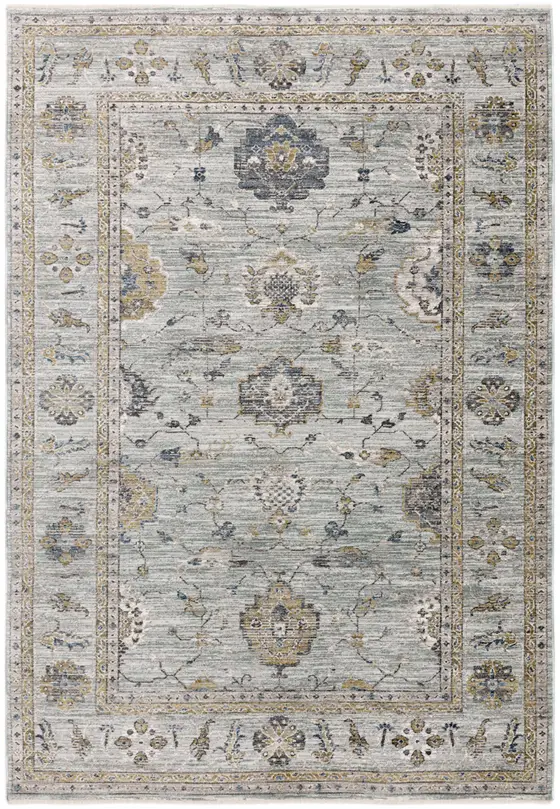
What is a dhurrie rug?
Dhurrie rugs are flatwoven floor coverings traditionally made in India on horizontal or vertical looms using a weft-faced technique where coloured weft threads create the pattern and hide the warp. They have no pile, making them reversible and easy to sweep or vacuum. Unlike kilims, which are often woollen and feature more intricate geometric motifs from Turkish, Persian or Caucasian weaving traditions, dhurries tend to use simpler stripes, checks or floral designs and are frequently produced in cotton.
In UK homes they suit hallways, kitchens and living rooms where a thinner rug prevents trip hazards. Typical sizes match common UK dimensions such as 120x170 cm for smaller spaces or 160x230 cm and 200x290 cm for larger living areas. Leave 30-60 cm of floor visible around the edges in most rooms.
Dhurrie construction and materials
Dhurries are woven on simple looms without knots. The weaver passes the weft yarn horizontally across the warp, packing each row tightly so the design appears on both sides. This makes the rug reversible. Cotton dhurries are lightweight while wool versions offer greater resilience. Jute dhurries provide natural texture but dislike water and can show marks if wet.
Modern machine-made versions replicate the flatweave look using polypropylene or polyester. These are more stain-resistant and water-tolerant than natural fibres although they can crush under heavy furniture. For a natural fibre option that is harder-wearing than jute, consider wool rugs.
Common materials
- Cotton: soft, lightweight
- Wool: resilient, soil-hiding
- Jute: textured, dislikes water
- Polypropylene: stain-resistant, water-tolerant, can flatten
Dhurrie rugs vs kilims
Both dhurries and kilims are flatwoven without pile, but they differ in origin, materials and design. Kilims come from a wider geographic area including Turkey, Iran and the Caucasus. They are usually made from wool and often feature bold geometric patterns created by discontinuous wefts that produce slits between colour blocks. Dhurries are primarily Indian, frequently cotton, and tend to have simpler repeating motifs such as stripes or basic florals.
Kilims are generally more durable for high-traffic areas because of their wool content. Dhurries in cotton are easier to clean but less resilient under heavy use. Both can be used under dining tables if you allow 60 cm extra on each side so chairs remain on the rug when pulled out. For bedroom use, a flatweave dhurrie or kilim shows about 50-60 cm on either side of the bed.
Many UK buyers choose flatweaves for their low pile height and ease of maintenance. If you prefer a subtle pattern in neutral tones, browse our beige rugs or cream rugs that include flatwoven options.
Practical uses in UK homes
In living rooms a 160x230 cm dhurrie works for a front-legs-on layout with most sofas; a 200x290 cm version suits a three-seater in larger rooms. In small rooms reduce the border to 20 cm. For dining rooms choose a size that extends 60 cm beyond the table on all sides. Hallway runners 60-80 cm wide are also available in dhurrie style.
Flatweaves suit kitchens because spills can be wiped up quickly, especially with polypropylene versions. In bedrooms they provide a smooth surface that is cooler underfoot than pile rugs. Avoid placing wool or jute dhurries in very damp areas as natural fibres can mark.
Consider combining a dhurrie with other textures. A low-pile flatweave pairs well with deeper pile pieces for contrast. See our range of low pile rugs for similar options.
Care and maintenance
Vacuum regularly on a low setting to avoid damaging the weave. Cotton and polypropylene dhurries can usually be wiped with a damp cloth; wool versions benefit from occasional professional cleaning. Rotate the rug every few months to even out wear. Because they are reversible, you can flip a dhurrie to extend its life.
Address spills immediately. Blot liquids rather than rub. Natural fibre dhurries dislike excessive water; synthetics tolerate it better but can still develop watermarks if not dried quickly. Never place hot objects directly on polypropylene as it is not heat-resistant.
For rooms that need easy cleaning, polypropylene flatweaves are practical. Our polypropylene rugs include many flatwoven designs that echo traditional dhurrie looks.
Choosing the right size and layout
Use these guidelines for common UK rooms:
- Living room: rug should extend 15-30 cm past each end of the sofa. Front-legs-on layout is most popular with 160x230 cm or 200x290 cm.
- Dining room: add 60 cm on every side of the table so chairs stay on the rug when in use.
- Bedroom: allow 50-60 cm of rug showing on each side of the bed.
- Small rooms: 20 cm border is acceptable instead of 30-60 cm.
Common UK sizes for dhurries include 120x170 cm, 160x230 cm and 200x290 cm. Runners are typically 60-80 cm wide.
Many flatweave designs appear in our living room rugs and modern rugs collections.
Flatwoven dhurries remain a practical choice for British homes because they are easy to keep clean, store away when needed and suit both traditional and contemporary interiors. Their simple construction and reversible nature make them a versatile option compared with pile rugs.
Frequently asked questions
Are dhurrie rugs reversible?
Yes, because both sides are woven in the same way with the weft covering the warp. You can flip a dhurrie to use the other side or to even out wear. This feature is not shared by tufted or knotted rugs.
Can you put a dhurrie rug under a dining table?
Yes. Choose a size that extends at least 60 cm beyond the table on all sides so dining chairs remain fully on the rug when pulled out. Flatweave construction makes them suitable as they sit low to the floor.
What is the difference between a dhurrie and a kilim?
Dhurries are traditionally Indian, often cotton with simpler patterns. Kilims usually originate from Turkey, Iran or the Caucasus, are often wool and feature more complex geometric designs created with slit-weave technique.
Are dhurrie rugs suitable for high traffic areas?
Wool dhurries cope better than cotton ones. Polypropylene versions are the most practical for busy hallways or kitchens because they resist stains and tolerate water. All flatweaves are easier to vacuum than high-pile rugs.
How do I clean a dhurrie rug?
Vacuum regularly. Blot spills immediately. Cotton and synthetic dhurries can often be wiped with a damp cloth. Wool or jute versions may need specialist cleaning. Avoid soaking natural fibre dhurries as they can mark.
Shop the guide
-
 Atlas Shaggy Rug in Natural
from £59.98
-
 Jasper Rug in Multicoloured
from £69.98
-
 Jasper Rug in Beige
from £69.98
-
 Jasper Rug in Orange Neutral
from £69.98
Related guides
- Tencel rugs: sustainable fibre explained
- Seagrass rugs explained
- Rug pile density and weight explained
- Rug edges explained: binding, overlocking and fringes
- Rug materials explained: wool, jute, viscose, polypropylene and more
- All rug guides
Questions about a specific rug? Every product page lists the maker's size, material, pile height and care details. Delivery is free and tracked to England, Wales and mainland Scotland, and you have 14 days to change your mind. See delivery and returns.