
Bathroom rug guide: absorbent, non-slip mats and runners
Bathroom rugs need to absorb water, dry reasonably quickly and stay firmly in place on wet tiled floors. Choose low-pile or flatweave styles in polypropylene or polyester; avoid deep pile or natural fibres that hold moisture. In most UK bathrooms a 60x110 cm or 80x150 cm mat works beside the bath or basin, while a runner around 67 cm wide suits narrow spaces between bath and sink. Leave 30-60 cm of floor visible around the rug (20 cm in a small bathroom).
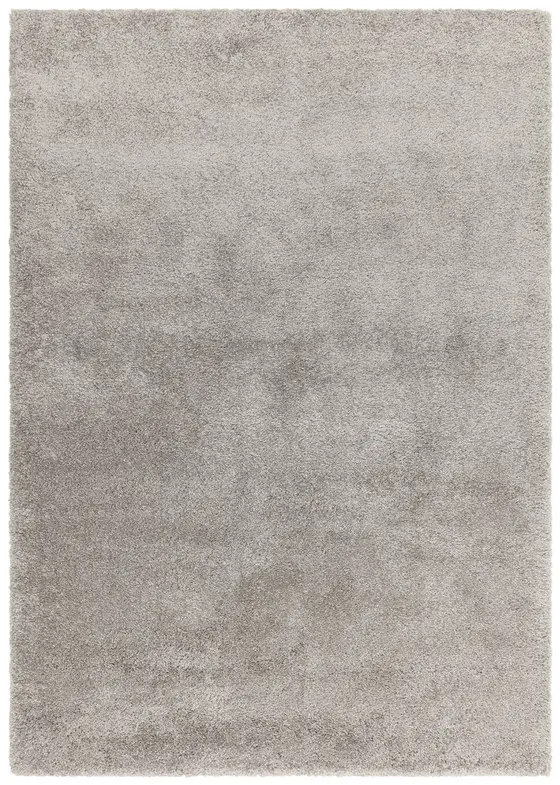
Choosing the right materials for bathrooms
Bathroom floors are often wet, so the material must tolerate water without rotting or staining. Polypropylene is the most practical choice: it repels water, dries reasonably quickly and resists mould. Polyester performs similarly and usually feels softer underfoot. Both are easy to keep clean with regular vacuuming and occasional machine washing on a gentle cycle.
Wool absorbs moisture and takes longer to dry, making it less suitable for high-humidity rooms although a wool rug can work in a large, well-ventilated bathroom if placed away from direct splash zones. Viscose should be avoided entirely because it marks permanently when wet. Flatweave or low-pile constructions (under 10 mm) reduce the surface area that can hold water and speed up drying time.
Non-slip backing and safety
Look for rugs with a latex or rubberised backing that grips tiles. Some machine-made polypropylene rugs include built-in grip. Never rely on a rug’s own weight alone on a wet floor.
Bathroom sizes and layouts
Standard UK bathroom rugs are smaller than living-room sizes. Common practical sizes are 60x110 cm for a single mat beside the bath, 80x150 cm for larger basins or shower exits, and runners 67-80 cm wide for corridors between bath and toilet. Leave 30-60 cm of floor visible around the edges in most bathrooms so the rug does not become a trip hazard when damp (20 cm in a small bathroom).
For en-suite bathrooms attached to bedrooms, a runner extending 15-30 cm past each end of a narrow vanity unit keeps feet dry without blocking door swing. Measure twice: account for the swing of any shower screen or cupboard doors. In a typical family bathroom, two separate mats (one at the bath, one at the basin) are often more practical than one large rug.
Quick-drying designs and pile height
Pile height directly affects drying speed. Ultra-low pile (2-5 mm) or flatweave styles dry faster after a splash. Shorter cut-pile rugs up to 10 mm still perform well and feel softer. Avoid anything over 20 mm; the deeper the pile, the longer it retains water and the greater the slip risk when saturated.
Machine-woven polypropylene rugs with a short dense pile are ideal. Many modern designs now use polyester, offering similar performance. Check the product page for exact pile height before purchase.
Maintenance and care in wet rooms
Shake or vacuum bathroom rugs weekly to remove hair and dust. Most polypropylene and polyester styles can be washed in a domestic machine on a 30 °C gentle cycle, but always follow the care label. Hang to air-dry completely before returning to the floor; never tumble dry or place on a radiator as heat can distort synthetic fibres.
Rotate mats every few weeks so wear is even. In bathrooms with underfloor heating, choose low-pile rugs because thick styles can feel uncomfortably hot under bare feet. Spot-clean marks immediately with a mild detergent and rinse thoroughly; residual soap can make the surface slippery.
Style options for modern bathrooms
Plain, textured or subtle patterned rugs blend easily with contemporary tiles. Grey, beige and neutral tones hide water marks better than white or black. For a coordinated look, match the rug to towel colours or tile grout lines. Grey runners suit both traditional and modern schemes and show less dirt between washes.
If you prefer a splash of colour, choose designs where the dye is locked into synthetic fibres so it will not run when wet. Modern runners often feature geometric patterns that disguise minor staining. For a softer appearance in a family bathroom, a low-pile polyester style still offers absorbency without the maintenance demands of deeper wool piles.
Runners versus individual mats
A single runner can cover the main traffic path from shower to basin and door, reducing the number of separate pieces to wash. However, individual mats allow flexible placement and easier replacement if one becomes worn. In narrow bathrooms a runner 67 cm wide often fits perfectly along the length of the bath. In larger bathrooms, combine a long runner with a smaller mat at the basin for maximum coverage.
Consider traffic flow. If the bathroom is used by several people each morning, a continuous runner reduces the chance of stepping onto cold tiles. In compact en-suites, two small mats take up less visual space and are simpler to store when deep-cleaning the floor.
Safety checklist before buying
- Confirm the backing has a non-slip coating.
- Choose pile height under 10 mm for faster drying.
- Measure the exact floor space allowing 30-60 cm clearance in most rooms (20 cm in a small room).
- Check care instructions allow machine washing if that is your preference.
- Avoid dark colours on light grout and vice versa to hide splashes.
Following these rules helps keep the rug looking fresh for years. For wider bathroom-adjacent spaces such as landings, see our range of long hallway runners. Smaller options that work well near basins are listed under small rugs.
Many UK homeowners combine a practical polypropylene bathroom runner with a larger living room rug in the adjacent space for a cohesive look throughout the floor. If your bathroom opens directly onto carpeted areas, a low-pile synthetic mat prevents moisture transfer onto wool carpets.
Frequently asked questions
Can I use a wool rug in my bathroom?
Wool absorbs water and dries slowly. It is better reserved for well-ventilated bathrooms with minimal splash or for rooms used only as dressing areas. Synthetic fibres remain the lower-maintenance choice for most UK bathrooms.
What size runner fits a standard UK bathroom?
A runner around 67 cm wide and 240 cm long or a 80x150 cm mat usually suits the space between bath and basin in an average family bathroom. Measure the exact length needed, allowing 30-60 cm of clear floor at each end so the rug does not obstruct doors or create a trip hazard when wet (20 cm in a small room).
How do I stop my bathroom rug slipping on tiles?
Select a rug with a pre-applied rubberised backing. Both polypropylene and polyester rugs with latex backing perform well on wet tiles when correctly fitted.
Are shaggy bathroom rugs practical?
Only low-pile versions (under 10 mm) are practical. Deep shaggy rugs hold water, dry slowly and become heavy and slippery. Short polyester styles offer softness while still draining reasonably quickly after use.
How often should bathroom rugs be washed?
Vacuum or shake weekly. Machine-washable polypropylene and polyester rugs benefit from a 30 °C wash every four to six weeks depending on household size and how often the bathroom is used. Always air-dry fully before replacing on the floor.
Shop the guide
-
 Luca Rug in Sage Green
from £89.98
-
 Lila Rug in Tan & Brown
from £89.98
-
 Korra Loop Jute Rug in Slate Cream Wool &
from £99.98
-
 Korra Loop Jute Rug in Linen Cream Wool &
from £99.98
Related guides
- Best rugs for rented homes: non-damaging and removable
- Are outdoor rugs slip resistant when wet?
- Utility room rug ideas: practical and washable solutions
- Teen bedroom rug ideas that match their style
- Rug pads and underlays explained
- All rug guides
Questions about a specific rug? Every product page lists the maker's size, material, pile height and care details. Delivery is free and tracked to England, Wales and mainland Scotland, and you have 14 days to change your mind. See delivery and returns.