
Best rugs for rented homes: non-damaging and removable
Rugs for rented homes need to protect the existing floor without leaving adhesive marks, be simple to roll up when you move, and avoid water damage or heavy staining that could lead to disputes. Low-pile polypropylene and wool rugs in sizes such as 160x230 cm or 200x290 cm work well because they sit flat without underlay tape and lift cleanly. Choose machine-made constructions with short pile under 12 mm for easiest handling and cleaning in temporary spaces.
Why renters need special rugs
Landlords often require floors to be returned in the same condition, so permanent adhesive, heavy furniture marks or deep staining can cause deposit deductions. Removable rugs let you add comfort and style without altering the property. In most UK rentals, a rug that leaves 30-60 cm of floor visible around the edges meets typical expectations while protecting high-traffic areas.
Focus on rugs that are lightweight enough for one person to carry, tolerant of occasional spills, and available in standard sizes that fit common rental room layouts. This avoids the need for cutting or specialist fitting that could damage floors.
Best materials for rentals
Polypropylene rugs resist stains and water, making them suitable for kitchens, hallways and living rooms where spills happen. They tolerate damp wiping and do not watermark easily, though the pile can flatten under heavy furniture. Wool rugs offer natural resilience and hide dirt well but shed initially and require drier conditions. Flatweaves and low-pile tufted rugs are easiest to roll and store when moving.
Avoid viscose and jute in rentals. Viscose marks permanently if wet and crushes easily. Jute dislikes water and can leave dark marks on pale floors.
For living rooms, a 160x230 cm rug or 200x290 cm rug placed front-legs-on under the sofa protects the floor while allowing 30-60 cm of exposed flooring. In smaller rooms reduce to 20 cm borders. Under dining tables choose a size that extends 60 cm beyond the table on all sides so chairs remain on the rug when pulled out. Bedroom rugs should show roughly 50-60 cm on each side of the bed.
Room-specific solutions
Living room
A low-pile polypropylene rug in neutral tones works for most rented living rooms. It handles daily foot traffic and vacuuming without trapping grit that could scratch laminate or wood. Front-legs-on placement with a living room rug in 160x230 cm suits smaller rentals; 200x290 cm fits larger sofas.
Bedroom
Soft but low-pile wool rugs add warmth beside the bed without heavy weight. Place so that 50-60 cm shows on each side. Cream, beige and grey tones hide dust and pair with most rental décor.
Dining and kitchen
Stain-resistant polypropylene rugs are essential here. Machine-woven constructions clean quickly. Use sizes from the dining room rugs range that allow chairs to stay fully on the rug. Runners 60-80 cm wide protect corridors without blocking doors.
Practical features to look for
- Pile height under 12 mm for easy rolling and vacuuming
- Machine-made or hand-tufted with secure backing
- Stain-resistant fibres such as polypropylene
- Neutral colours that hide marks and suit multiple future homes
- Common UK sizes so the rug can be reused elsewhere
- Reversible designs or flatweaves for maximum flexibility
Wool rugs provide resilience without synthetic shine. Polypropylene rugs deliver good performance in high-use areas.
How to protect floors under rugs
Never use double-sided tape or adhesive grips on rental floors; these can pull up varnish or leave residue. A good-quality rug with sufficient weight and low pile usually stays in place on its own. In very slippery conditions, use a small amount of non-slip matting cut slightly smaller than the rug, ensuring it does not extend beyond the edges where it could mark walls or leave lines.
Vacuum regularly to prevent grit building up underneath. Rotate the rug every few months to avoid permanent pressure marks from furniture legs. When moving out, roll rather than fold the rug to prevent creases, and clean it thoroughly before storage.
Easy cleaning and removal
Choose rugs that can be spot-cleaned with mild detergent and a cloth. Polypropylene tolerates damp wiping. Wool benefits from dry vacuuming and immediate blotting of spills. Always test any cleaning method on an inconspicuous corner first.
Lightweight constructions allow one adult to lift and roll the rug without help. This makes moving between rentals straightforward. Store rolled rugs upright in a dry place to avoid mildew.
| Room | Recommended size | Best material | Why suitable for rentals |
|---|---|---|---|
| Living room | 160x230 cm or 200x290 cm | Polypropylene or wool | Front-legs-on layout, easy to lift, protects high-traffic floor |
| Bedroom | 160x230 cm | Low-pile wool | Lightweight, shows 50-60 cm either side of bed, low marking risk |
| Dining | Size that extends 60 cm beyond table on all sides | Polypropylene | Stain-resistant, chairs stay on rug, wipes clean |
Options such as the polypropylene rugs range provide many practical choices. For natural texture avoid jute in high-moisture areas and check landlord approval.
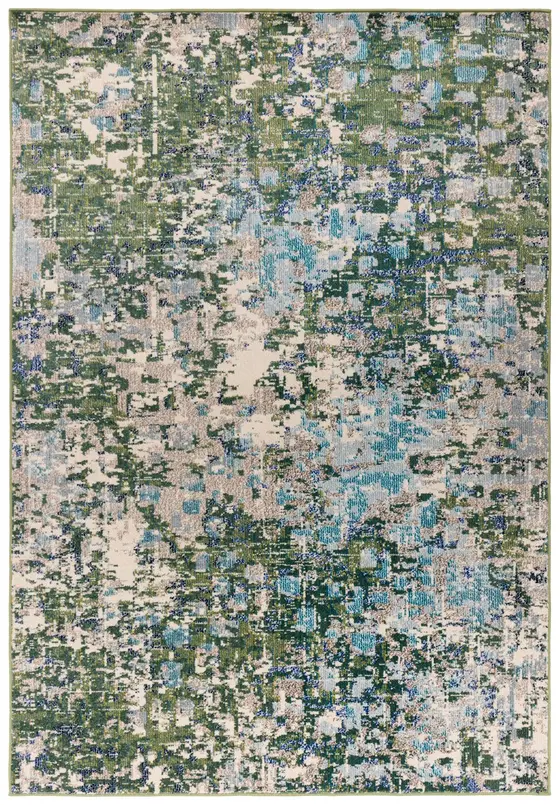
Modern abstract patterns or plain textured rugs in cream, beige and grey blend with most rental interiors and avoid clashing with existing décor. Machine-made versions are often lighter.
Frequently asked questions
Can I use rug gripper on rental floors?
Most rental agreements prohibit adhesives that leave marks. A heavy low-pile rug usually stays put without gripper. If extra stability is essential, choose a non-slip underlay cut 5 cm smaller than the rug on all sides so no edge touches walls or skirting.
What size rug works best in a rented living room?
For a standard 3-seater sofa use 160x230 cm in smaller rooms or 200x290 cm in larger ones with the front legs on the rug. Leave 30-60 cm of floor showing around the edges to meet typical landlord expectations.
Are wool rugs suitable for rented homes?
Yes, when low pile and good quality. Wool is resilient, hides marks and does not require glue-down fitting. It sheds for the first few weeks and dislikes prolonged damp, so vacuum regularly and blot spills immediately.
How do I stop a rug from slipping on laminate flooring?
Select a rug with natural weight and low pile. Avoid tape. A thin non-slip pad trimmed smaller than the rug prevents movement while protecting the floor from direct pressure lines.
What should I do with the rug when I move out?
Roll it pile-inwards, secure with tape or ties, and store upright in a dry location. Clean thoroughly beforehand so the next tenant or landlord sees undamaged floors.
Shop the guide
-
 Atlas Shaggy Rug in Emerald Green
from £59.98
-
 Atlas Shaggy Rug in Gunmetal Grey
from £59.98
-
 Atlas Shaggy Rug in Ivory Cream
from £59.98
-
 Atlas Shaggy Rug in Natural
from £59.98
Related guides
- Large living room rug ideas for spacious UK homes
- Bathroom rug guide: absorbent, non-slip mats and runners
- Small Rug Uses: 15 Smart Ways to Use Small Rugs in UK Homes
- Rugs for new build homes: modern layouts and open-plan spaces
- Rug pads and underlays explained
- All rug guides
Questions about a specific rug? Every product page lists the maker's size, material, pile height and care details. Delivery is free and tracked to England, Wales and mainland Scotland, and you have 14 days to change your mind. See delivery and returns.