
Art Deco Rug Style Guide: Glamorous Geometric Patterns for UK Homes
Art deco rugs use geometric patterns, jewel tones and symmetry. Bold motifs such as chevrons, sunbursts and stepped lines work in living rooms and dining areas to anchor furniture layouts. Choose wool or polypropylene constructions in sizes that leave 30-60 cm of floor visible around the edges for a balanced look.
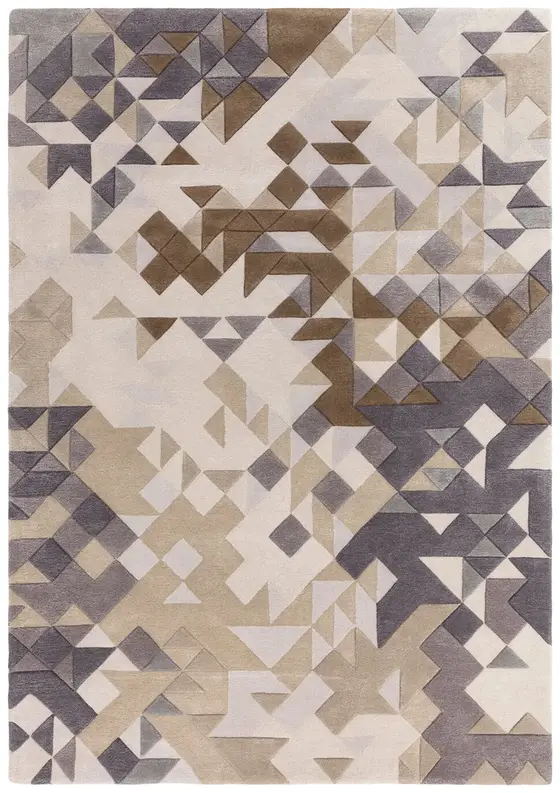
Key characteristics of Art Deco rugs
Art Deco style emerged in the 1920s and 1930s with an emphasis on glamour, symmetry and geometric forms. Rugs in this style typically feature repeating zigzags, fan shapes, overlapping circles or angular grids rendered in high-contrast colour combinations such as navy and gold, emerald and cream, or charcoal and silver. The overall effect is one of ordered luxury rather than free-form abstraction.
Most designs maintain strict balance along a central axis. This makes them particularly suitable for rooms with formal layouts or symmetrical furniture placement. Pile height is usually low to medium so that the pattern remains crisp underfoot.
Common motifs
- Stepped ziggurat borders
- Radiating sunburst centres
- Chevron and arrow repeats
- Stylised floral geometrics
- Overlapping rectangles and diamonds
Choosing colours for UK interiors
Deep teal, burgundy, mustard, charcoal and metallic-effect threads are classic Art Deco hues. In British homes these work well against neutral walls and mid-century furniture. For smaller rooms, opt for rugs with a lighter base such as cream or pale grey and use the geometric pattern in darker accents. Larger open-plan spaces can carry bolder combinations such as navy with gold or plum with taupe.
Wool rugs hold colour depth particularly well. Polypropylene versions offer similar vibrancy at a lower price point and are more tolerant of spills in busy households.
Room-by-room placement and sizing
In living rooms a 160x230 cm rug or 200x290 cm rug placed with front sofa legs on the pile gives a generous anchored feel while leaving 30-60 cm of floor showing. A three-seater sofa usually pairs best with the larger size unless the room is compact, in which case 160x230 cm prevents the rug from dominating.
Under dining tables allow at least 60 cm beyond the table edge on all sides so chairs remain fully on the rug when pulled out. Dining room rugs in geometric wool or hard-wearing polypropylene stand up to chair movement better than delicate viscose.
In bedrooms position the rug so it extends 50-60 cm beyond each side of the bed. Smaller bedroom rugs can sit at the foot or either side if full coverage is not required.
Material choices and practical trade-offs
Wool offers natural resilience, soil-hiding properties and a pleasing texture underfoot. It is relatively flame-resistant compared with many synthetics but will shed for the first few months. Viscose adds luxurious sheen and is often blended with wool for Art Deco designs, yet it is sensitive to water and can develop permanent watermarks or crush marks.
Polypropylene rugs tolerate moisture and stains far better and are easier to keep clean in homes with children or pets. They can flatten over time in high-traffic areas and are not suitable near open fires. Blends of polyester and polypropylene provide a middle ground with good definition for geometric patterns at accessible prices.
Hand-tufted constructions give clear pattern edges but have a glued backing that requires careful handling during cleaning. Machine-woven options deliver consistent repeats and lie flatter under furniture.
| Material | Pros | Cons |
|---|---|---|
| Wool | Resilient, soil-hiding, good colour depth | Sheds initially, higher price |
| Wool & viscose | Luxurious sheen, crisp patterns | Water-sensitive, prone to crushing |
| Polypropylene | Stain-resistant, affordable, water-tolerant | Can flatten, lower heat resistance |
Styling tips for symmetry and glamour
Pair geometric Art Deco rugs with furniture that echoes the same clean lines: streamlined sofas, mirrored side tables or brass accents. Repeat one motif colour in cushions or artwork to tie the scheme together. In open-plan kitchens and living areas a large geometric rug can visually separate zones without the need for physical dividers.
Avoid overcrowding the pattern with busy wallpaper; plain or subtly textured walls allow the rug to remain the focal point. For a softer take on the style, choose designs that incorporate curved elements such as overlapping circles rather than sharp zigzags.
Maintenance and care
Vacuum regularly with a beater-bar-free cleaner to protect pile and prevent embedded grit. Rotate the rug every six months to even out wear. Address spills immediately: blot wool and polypropylene with a clean cloth; never rub viscose blends as this spreads the mark. Product pages list exact construction, pile height and care instructions for each design. Follow those guidelines to keep the geometric pattern looking sharp for years.
Shop the look
Explore geometric wool rugs for classic depth, modern and abstract rugs that reinterpret Art Deco motifs, or large rugs suitable for living and dining spaces.
Frequently asked questions
What size Art Deco rug should I choose for a living room?
Leave 30-60 cm of floor visible around the edges. A 160x230 cm rug suits smaller rooms with a 3-seater sofa using a front-legs-on layout. Larger UK living rooms usually work better with a 200x290 cm or 200x300 cm size so the rug extends 15-30 cm beyond each end of the sofa.
Are Art Deco rugs suitable for homes with pets?
Polypropylene versions are the most practical choice because they tolerate moisture and are easier to keep clean. Wool rugs hide dirt well but can trap pet hair. Avoid viscose blends near pets as they watermark easily and crush under claws.
Can I use an Art Deco rug in a dining room?
Yes. Ensure the rug extends at least 60 cm beyond the table on every side so chairs stay fully on the pile when pulled out. Low-pile wool or polypropylene constructions cope best with chair movement and spilled food.
What colours work best with Art Deco geometric patterns?
Rich jewel tones such as navy, emerald, plum and mustard contrast effectively with metallic silver, gold or charcoal. In UK homes these look striking against neutral walls. Lighter cream or grey bases make the same patterns feel less imposing in smaller rooms.
How do I clean a wool and viscose Art Deco rug?
Vacuum without a beater bar and blot spills immediately. Viscose is particularly prone to watermarks so avoid excessive moisture. Always check the specific care guidance on the product page.
Shop the guide
-
 Deline Shaggy Rug in Dark Brown
from £69.98
-
 Deline Shaggy Rug in Green
from £69.98
-
 Izaline Checkered Shaggy Rug in Dark Brown
from £69.98
-
 Fossay Checkered Shaggy Rug in Dark Brown
from £69.98
Related guides
- Geometric Rug Style Guide: Patterns and Styling Ideas for UK Homes
- Persian and Oriental Rug Style Guide: Traditional Patterns for UK Rooms
- Moroccan Beni Ourain Rug Guide: Style and Placement in UK Homes
- Maximalist Rug Style Guide: Layering Bold Patterns and Colour
- Rugs for homes with pets
- All rug guides
Questions about a specific rug? Every product page lists the maker's size, material, pile height and care details. Delivery is free and tracked to England, Wales and mainland Scotland, and you have 14 days to change your mind. See delivery and returns.