
Acrylic rugs explained
Synthetic rugs made from polyester or polypropylene can mimic the soft hand-feel of wool at a lower cost. They offer good colour retention and are relatively easy to keep clean with regular vacuuming, yet they are prone to pilling, crushing under furniture and watermarks if spills are not dealt with promptly. Many buyers choose them for low-traffic bedrooms or as a budget alternative to wool, but they are less resilient than pure wool in busy living rooms or dining areas.
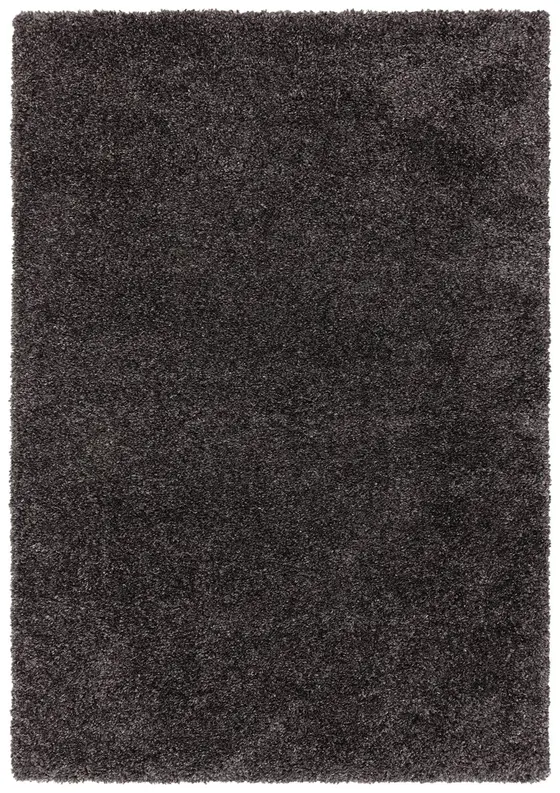
What is acrylic?
Acrylic is a man-made fibre produced from polyacrylonitrile. In rug making it is often spun into yarns that resemble wool in softness and bulk. Manufacturers blend it with other fibres or use it on its own in machine-woven or tufted constructions. The fibre accepts dyes well, which allows for bright, lasting colours without the price of natural wool.
Because it is synthetic, acrylic does not absorb moisture as readily as plant fibres such as jute or sisal. This gives it decent stain resistance compared with viscose, but it still marks more easily than polypropylene when liquids sit on the surface.
Pros and cons of acrylic rugs
Acrylic rugs sit between natural wool and fully synthetic polypropylene in performance and price. They are softer underfoot than most polypropylene yet lack the natural resilience and soil-hiding ability of wool.
- Soft, wool-like hand feel at a lower price than wool rugs
- Good colourfastness; patterns stay vivid for years
- Lightweight and easy to manoeuvre when cleaning the floor underneath
- Less prone to static than some other synthetics
Drawbacks include:
- Tendency to pill and shed fibres, especially in the first months
- Crushes under heavy furniture and recovers slowly
- Can develop watermarks if spills are rubbed rather than blotted
- Lower heat resistance than wool; not ideal directly in front of fires
- Less hard-wearing in high-traffic areas than polypropylene
How acrylic compares with wool, polypropylene and viscose
Wool is naturally springy and hides dirt better, making wool rugs the better choice for family living rooms. Polypropylene withstands spills and vacuuming with less risk of crushing or pilling, which is why many UK buyers select polypropylene rugs for kitchens or hallways. Viscose (often labelled bamboo silk) looks luxurious but is far more sensitive to water and foot traffic. Acrylic offers a middle ground: softer than polypropylene yet cheaper and easier to maintain than viscose or pure wool.
Best rooms and layouts for acrylic rugs
Acrylic performs best in low-traffic bedrooms and occasional-use living areas. In a typical UK bedroom a 160x230 cm rug placed to show 50-60 cm of floor on either side of the bed keeps toes warm without heavy wear. For living rooms, a 200x290 cm size works under a three-seater sofa in a front-legs-on layout, leaving 30-60 cm of floor visible around the edges. Avoid acrylic under dining tables where chair legs constantly move; the pile can crush and pill quickly. Hallways and kitchens see too much traffic and moisture for acrylic to stay looking fresh.
Modern abstract patterns hide everyday marks better than plain colours. Cream, beige and grey tones remain popular because they coordinate with most UK interiors without showing every speck of dirt.
Care and cleaning
Regular maintenance prevents the main problems of acrylic rugs. Vacuum at least twice weekly using a suction-only head; beater bars can break fibres and increase pilling. Rotate the rug every six months so wear is even. Blot spills immediately with a clean cloth and mild detergent solution, then allow the area to dry fully. Never rub or use excessive water.
Most acrylic rugs are not suitable for professional steam cleaning because heat can distort the fibres. Check the care label on the product page. For outdoor use, only choose rugs specifically labelled as outdoor; standard acrylic is not weatherproof.
Choosing the right acrylic rug
Look at pile height first. Low-pile acrylic (under 1 cm) resists crushing better than shaggy versions and is easier to keep clean. Check construction: machine-woven acrylic usually holds its shape better than hand-tufted with a glued backing. Consider room size using standard UK guidelines: leave 30-60 cm of bare floor around the rug in most rooms, or 20 cm in small spaces. For sofas, the rug should extend 15-30 cm beyond each end.
Higher-density weaves cost more but last longer. Always read the exact fibre composition on the product page; some rugs described as “soft” are actually polyester or polypropylene blends rather than pure acrylic.
| Fibre | Softness | Crush resistance | Stain resistance | Best for |
|---|---|---|---|---|
| Acrylic | High | Medium | Medium | Bedrooms, low traffic |
| Wool | High | High | Medium | Living rooms |
| Polypropylene | Medium | Medium | High | Kitchens, hallways |
| Viscose | Very high | Low | Low | Low-traffic formal areas |
Acrylic versus polyester rugs
Many budget rugs labelled “soft” are actually polyester. Polyester is usually cheaper, holds colour well and resists stains slightly better than acrylic, but it can feel more plastic and generates more static. Acrylic offers a closer wool-like touch and better bulk. Both crush under furniture; neither matches the natural resilience of wool. If your main concern is easy cleaning and low cost, polypropylene often outperforms both in daily use.
For soft neutral styles that still need reasonable durability, look at blends of space-dyed polyester and polypropylene. These combine the softness of polyester with the water tolerance of polypropylene and are widely available in sizes from 120x170 cm up to 200x300 cm.
Shop acrylic and similar soft rugs
Although pure acrylic is less common today, many soft synthetic rugs deliver a comparable feel. Modern machine-made designs in polypropylene or polyester blends give similar colour depth and comfort at competitive prices. Explore modern rugs, plain and textured rugs, or low pile rugs for options that balance softness and practicality. Larger living-room sizes are well represented in the 160x230 cm rugs and 200x290 cm rugs categories.
Frequently asked questions
Are acrylic rugs good quality?
Quality varies by density and construction. Well-made acrylic rugs offer soft comfort and last several years in low-traffic rooms. They are not as durable as wool or high-quality polypropylene, so they suit bedrooms and occasional living areas rather than busy family spaces.
Do acrylic rugs shed?
Most acrylic rugs shed and pill during the first few months, especially on new cuts. Regular vacuuming with a suction-only cleaner removes loose fibres. Shedding usually reduces after the initial break-in period.
Can you put an acrylic rug in a bathroom?
Standard acrylic rugs are not recommended for bathrooms. They can develop watermarks and mildew if exposed to repeated moisture. Choose rugs specifically labelled as outdoor or bathroom-safe instead.
How do I stop my acrylic rug from crushing?
Place furniture pads under heavy items and rotate the rug every six months. Low-pile constructions resist crushing better than shaggy acrylic. In high-traffic zones, polypropylene is usually a more practical choice.
Are acrylic rugs easy to clean?
Acrylic rugs are fairly easy to maintain with regular vacuuming and prompt blotting of spills. They are more tolerant of occasional damp cleaning than viscose but less forgiving than polypropylene. Avoid steam cleaners and excessive water.
Shop the guide
-
 Atlas Shaggy Rug in Emerald Green
from £59.98
-
 Atlas Shaggy Rug in Gunmetal Grey
from £59.98
-
 Atlas Shaggy Rug in Ivory Cream
from £59.98
-
 Atlas Shaggy Rug in Natural
from £59.98
Related guides
- Tencel rugs: sustainable fibre explained
- Seagrass rugs explained
- Rug pile density and weight explained
- Rug edges explained: binding, overlocking and fringes
- Rug materials explained: wool, jute, viscose, polypropylene and more
- All rug guides
Questions about a specific rug? Every product page lists the maker's size, material, pile height and care details. Delivery is free and tracked to England, Wales and mainland Scotland, and you have 14 days to change your mind. See delivery and returns.