
Rug glossary: terms from abrash to weft
A rug glossary explains specialist terms used to describe construction, materials and appearance so you can compare products accurately. Key terms include abrash (natural colour variation in hand-knotted rugs), pile (the upright fibres that form the surface) and weft (horizontal threads that hold the structure together). Understanding these helps match a rug to your room size, traffic level and cleaning needs.
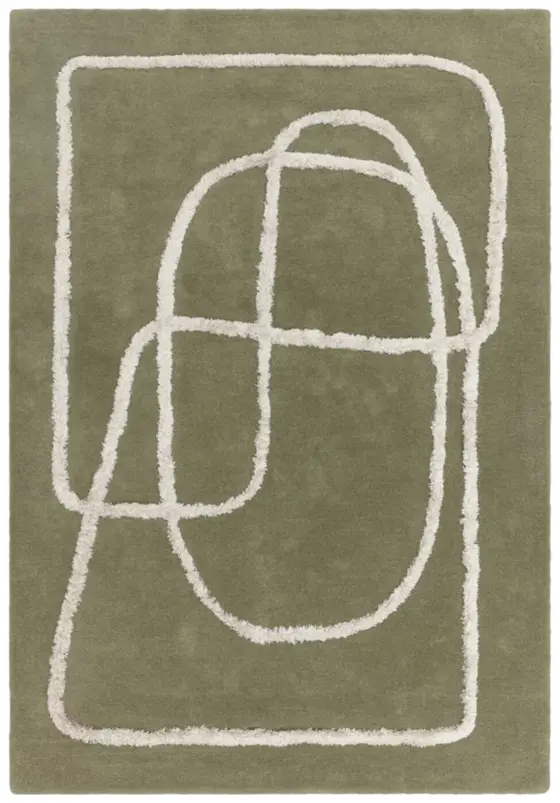
Abrash
Abrash describes the subtle variations in colour that appear in many hand-knotted rugs. These shifts happen because hand-dyed yarn batches differ slightly in tone. Far from a flaw, abrash gives a rug depth and a lived-in look that many buyers prefer over uniform machine-made colour.
In practical terms, look for gentle abrash in handmade rugs if you want a relaxed, artisanal feel. Strong contrasts may suit modern schemes less well.
Pile height and density
Pile is the cut or loop surface you walk on. Low pile (under 10 mm) wears better in busy areas and is easier to vacuum. Medium pile (10-20 mm) balances softness and practicality for living rooms. High pile, often called shaggy, exceeds 25 mm and feels luxurious but needs more care.
Density matters as much as height. A tightly packed pile resists crushing and shows footprints less. Check the product page for exact pile height before buying for a dining room or hallway.
Crushing and recovery
Crushing happens when pile fibres flatten under furniture. Wool recovers well because of its natural crimp and resilience. Viscose looks luxurious but marks easily and can develop permanent watermarks if spilled on. Polypropylene is more tolerant of moisture yet can still flatten over time.
Construction methods
Rugs are made in three main ways: hand-knotted, hand-tufted and machine-made.
- Hand-knotted rugs have individual knots tied around warp threads. They are the most labour-intensive and usually the most expensive. The backing shows the knot count – higher numbers mean finer detail.
- Hand-tufted rugs use a gun to push yarn through a backing fabric. A layer of glue secures the tufts. They cost less than knotted rugs but the backing can stiffen over time.
- Machine-made rugs are woven on power looms. They offer consistent quality and lower prices. Modern looms produce detailed patterns that once required hand work.
For family homes needing durability on a budget, machine-made polypropylene rugs often prove the most practical choice.
Common rug materials
Material determines feel, durability and maintenance.
- Wool is naturally resilient, soil-hiding and relatively flame-resistant compared with many synthetics. It sheds when new but settles within weeks. Wool rugs suit living rooms and bedrooms where comfort matters.
- Viscose (sometimes labelled bamboo silk or art silk) is soft, shiny and drapes beautifully. It is sensitive to water and crushes easily, so avoid it in dining areas or homes with pets.
- Polypropylene resists stains and copes with occasional spills. It is not heat-resistant, so keep it away from fireplaces. Good for kitchens and outdoor-adjacent spaces.
- Polyester, especially recycled PET, offers vivid colours and softness at a lower price. It can generate static in dry weather.
- Plant fibres such as jute and sisal are hard-wearing but dislike water. Jute can mark; sisal is coarser yet more durable.
A wool and viscose blend, such as the Matrix Infinity Wool & Viscose Rug in Sage, combines wool’s resilience with viscose’s sheen. Pure wool options like the Barnaby Wool Rug in Sand or Loxley Wool Rug in Linen suit homes that value natural fibres.
Warp and weft
Warp threads run lengthwise on a loom and provide the foundation. Weft threads run widthwise and secure the pile or flat pattern. In flatweave rugs such as kilims there is no pile; the design is created entirely by coloured weft threads passing over and under the warp.
Hand-knotted rugs show the warp and weft on the reverse. A neat, even back usually indicates higher quality. Machine-made rugs often have a latex or fabric backing that hides these threads.
Flatweave rugs
Flatweaves have no pile so they sit almost flush to the floor. They are reversible, lightweight and easy to shake clean. Traditional kilims and dhurries fall into this group. Because they lack cushioning they work well layered over carpet or in rooms where you want to show more floor.
In small UK rooms leave at least 20 cm of floor visible around the edges. Larger living rooms benefit from 30-60 cm of exposed floor for balance.
Other useful terms
Fringe: The loose warp threads at each end. On hand-knotted rugs these are part of the structure; on machine-made rugs they are often sewn on for appearance.
Selvage: The reinforced side edges that stop the rug fraying.
Over-dye: A technique that gives a faded, vintage look by dyeing a finished rug.
Space-dyed: Yarn dyed in sections of different colours before weaving, creating a mottled effect. Seen in rugs such as the Anders AN01 Rug in Grey.
Choosing between low-pile and shaggy, wool and polypropylene, or hand-tufted and machine-made becomes simpler once you know these terms. For living rooms a 160x230 cm or 200x290 cm rug usually works best with front legs of the sofa on the rug. Dining tables need at least 60 cm extra on every side so chairs remain on the rug when pulled out.
Practical checklist before purchase:
- Measure your space and decide how much floor to show (30-60 cm typical).
- Match pile height to traffic – low pile for hallways, medium for living rooms.
- Choose water-tolerant materials near kitchens or bathrooms.
- Check construction on the product page: hand-tufted rugs have a glued backing, flatweaves have none.
Frequently asked questions
What does abrash mean in a rug?
Abrash is the natural colour variation that appears across a hand-knotted rug because of slight differences between dye batches. It adds character and depth rather than looking like a mistake. Most buyers accept mild abrash in handmade pieces.
Is a hand-tufted rug as good as hand-knotted?
Hand-tufted rugs cost less and can look similar from the front, but they use glue to hold the yarn. Over many years the backing may loosen. Hand-knotted rugs are more durable yet significantly more expensive. Choose according to budget and expected wear.
Why does viscose crush so easily?
Viscose is regenerated cellulose with a smooth, soft fibre that lacks the natural spring of wool. Heavy furniture or foot traffic flattens it quickly and water can leave permanent marks. It is best used in low-traffic bedrooms.
What is the best rug material for a dining room?
Low-pile polypropylene or tightly woven wool resists crushing from chair legs and cleans easily after spills. Avoid high-pile or viscose. Leave 60 cm of rug beyond the table on all sides so chairs stay on the surface when pulled out.
Do flatweave rugs need underlay?
Flatweaves are thin so many owners add a non-slip underlay for comfort and to stop movement on hard floors. They are reversible and easy to clean, making them practical in busy hallways or as a base layer under another rug.
Shop the guide
-
 Caruso Wool Rug in Brown
from £274.98
-
 Henley Wool & Viscose Rug in Silver
from £169.98
-
 Henley Wool & Viscose Rug in Sand
from £169.98
-
 Henley Wool & Viscose Rug in Sage
from £169.98
Related guides
- Warp and weft: how rug weaving works
- How to Remove Tea Stains from a Rug
- How to Remove Slime from a Rug
- How to Remove Pet Urine from a Rug
- Rug styles glossary: Persian to Scandi
- All rug guides
Questions about a specific rug? Every product page lists the maker's size, material, pile height and care details. Delivery is free and tracked to England, Wales and mainland Scotland, and you have 14 days to change your mind. See delivery and returns.