
Should you rotate a rug, and how often?
Rotate a rug every six to twelve months to even out wear from foot traffic, sunlight and furniture pressure. Rotation helps prevent permanent crushing in high-pile areas and fading on one side. For most UK homes a simple 180-degree turn twice a year is enough; wool rugs may need it more often than hard-wearing polypropylene.
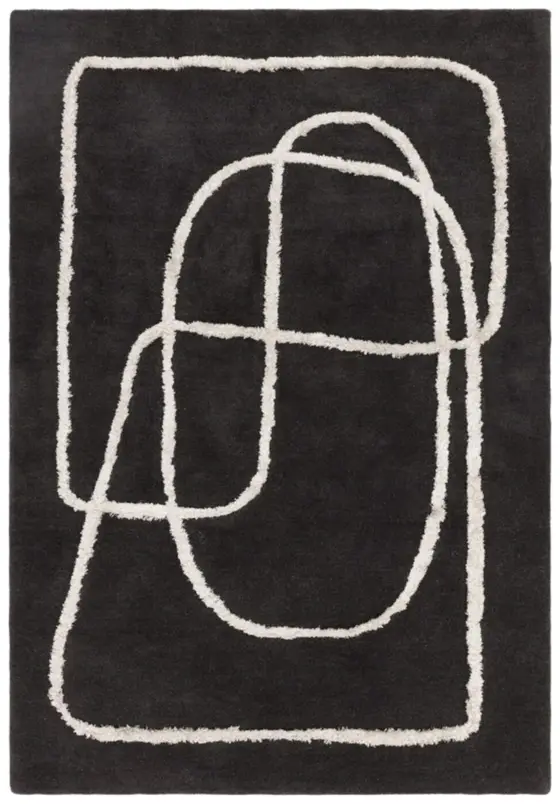
Why rotate a rug
Foot traffic, vacuuming and direct sunlight all affect one part of a rug more than another. Over time this creates visible traffic lanes, flattened pile or colour differences. Rotating spreads the load so the rug ages evenly and lasts longer. This is especially useful in busy living rooms where a living room rug sits in the same position for years.
How often should you rotate a rug
Every six months is a good rule for high-traffic areas. In quieter bedrooms once a year usually suffices. Check the pile direction and any fading after six months; if one side looks flatter or lighter, rotate sooner. Wool rugs tend to show wear faster than machine-made synthetics, so inspect them more regularly.
Factors that change the schedule
- Heavy daily use in hallways or main living spaces
- Direct sunlight from large windows
- Heavy furniture left in the same place
- Pile height – deeper piles crush more noticeably
How to rotate a rug correctly
Take furniture off the rug, roll or fold it loosely, then turn it 180 degrees so the end that was nearest the window is now furthest away. For large rugs ask for help to avoid straining your back. Vacuum both sides before laying it back down. In a front-legs-on layout for a three-seater sofa, a 160x230 cm rug rotated every six months keeps the traffic path balanced.
Which rug materials benefit most
Wool rugs are resilient but can develop crush marks and shed; regular rotation helps them recover. Viscose is soft and shiny but water-sensitive and prone to crushing and watermarks, so turning prevents permanent marks. Polypropylene is stain-resistant and water-tolerant but can crush under pressure – rotation extends its life. Flatweaves and low-pile styles need less frequent turning than shaggy or deep-pile rugs.
Plain wool rugs in neutral tones show wear more obviously than busy patterns. A wool rug in a bedroom that extends 50-60 cm either side of the bed will stay looking better with annual rotation.
Rotation in different rooms
Under a dining table, rotate so chairs do not press the same spots constantly; allow at least 60 cm extra on each side so chairs stay on the rug when pulled out. In living rooms the front-legs-on layout with a 200x290 cm rug benefits from six-monthly turns. Bedroom rugs see lighter use but still fade on sunny sides, so a yearly 180-degree turn is worthwhile.
Signs it is time to rotate
- One side of the pile looks flatter than the other
- Colour appears faded in high-traffic paths
- Visible lines where furniture legs have pressed
- The rug no longer lies flat in certain areas
Rotating at the first sign prevents these issues becoming permanent. For outdoor rugs made from synthetic fibre, rotation is still useful to even sun exposure.
| Rug type | Recommended rotation | Reason |
|---|---|---|
| Wool | Every 6 months | Resilient but crushes and sheds |
| Polypropylene | Every 9-12 months | Stain-resistant yet flattens |
| Viscose blends | Every 6 months | Prone to watermarks and crushing |
| Low pile | Every 12 months | Less obvious wear |
Choosing the right size from the start reduces the need for frequent adjustment. A rug that leaves 30-60 cm of floor showing around the edges in most rooms is easier to rotate than one that fits wall to wall.
Frequently asked questions
Can rotating a rug damage the backing?
When done carefully, rotating does not damage a properly made rug. Lift rather than drag heavy rugs, and avoid folding them sharply. Hand-tufted rugs have a glued backing; rolling them gently once or twice a year is safe. Always check the care instructions on the product page.
Should I rotate a new rug straight away?
New wool rugs shed most in the first few weeks. It is better to vacuum them regularly for the first month before the first full rotation. This lets the fibres settle. After that, follow the six-to-twelve-month schedule depending on traffic.
Does rug rotation help with fading?
Yes. Sunlight fades the side facing the window first. Turning the rug 180 degrees every six months in sunny rooms evens out any colour change. Darker or patterned rugs hide minor fading better than plain cream or beige styles.
Is it worth rotating a cheap polypropylene rug?
Even inexpensive polypropylene rugs last longer when rotated. Although they are water-tolerant, foot traffic still flattens the pile. A quick turn twice a year keeps the surface looking fresher without extra cost.
How do I rotate a very large heavy rug alone?
Fold the rug in half, turn the folded section, then unfold and repeat from the other end. Or roll it from both sides toward the centre, pivot the roll, and unroll. Take your time and slide rather than lift if the rug is over 200x290 cm.
Shop the guide
-
 Amelie Lana Rug in Rust With Faded Blue Hues
from £29.98
-
 Atlas Shaggy Rug in Emerald Green
from £59.98
-
 Atlas Shaggy Rug in Gunmetal Grey
from £59.98
-
 Atlas Shaggy Rug in Ivory Cream
from £59.98
Related guides
- Why does my rug smell after getting wet?
- What is the softest rug material?
- What is the most durable rug material?
- Should a Rug Be Lighter or Darker Than the Floor?
- How to vacuum a rug properly
- All rug guides
Questions about a specific rug? Every product page lists the maker's size, material, pile height and care details. Delivery is free and tracked to England, Wales and mainland Scotland, and you have 14 days to change your mind. See delivery and returns.