
What is the most durable rug material?
Wool is resilient against crushing and foot traffic while the fibre structure hides dirt well and resists flames better than many synthetics. Polypropylene offers strong stain resistance and water tolerance but can flatten over time; choose based on your room use, cleaning needs and budget.
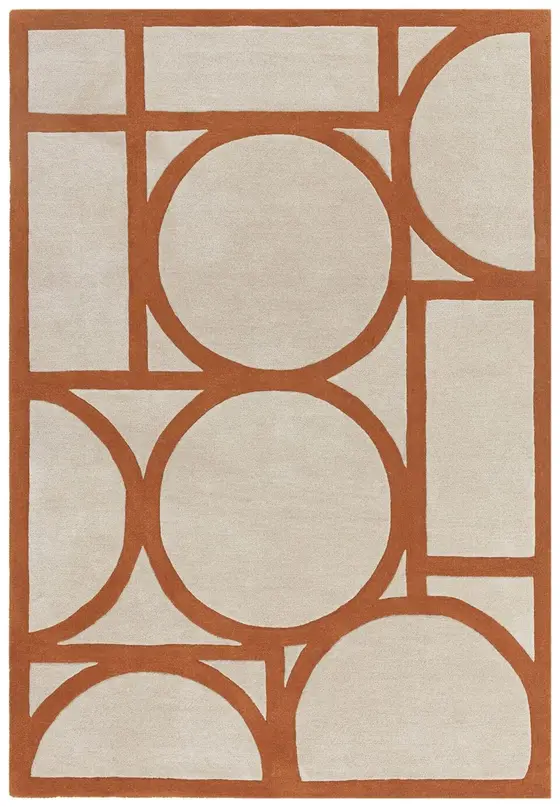
Why wool stands out for durability
Wool rugs recover well from compression thanks to the fibre's natural elasticity. In busy living rooms or hallways they hold their appearance longer than most synthetics. They also hide everyday soil effectively. New wool rugs shed for the first few months but this settles.
For a 160x230 cm (160x230 cm rugs) or 200x290 cm living-room size, wool provides a practical balance of comfort and longevity. See our wool rugs collection.
Wool care checklist
- Vacuum regularly with a beater-bar vacuum on low suction.
- Blot spills immediately; avoid rubbing.
- Rotate every six months for even wear.
- Professional cleaning recommended once a year.
Synthetic fibres compared
Polypropylene rugs tolerate water and stains well, making them suitable for kitchens, dining areas and outdoor use. They resist mould but can crush in high-traffic spots and are not heat-resistant. Polyester and PET (recycled polyester) offer softness and colour retention yet flatten faster than wool under heavy use.
Blends of polyester and polypropylene give a middle ground. Machine-woven construction adds strength for everyday wear. A low-pile design further improves durability.
Choosing by room
In living rooms a living room rug in wool or a hard-wearing blend works best. For dining rooms, allow 60 cm beyond the table edge on all sides so chairs remain on the rug; polypropylene or polyester options clean more easily after meals. Bedrooms see lighter traffic so softer hand-tufted polyester can last well.
Leave 30-60 cm of floor visible around the rug in most rooms. In smaller spaces 20 cm is enough. Under beds show 50-60 cm on each side for a balanced look.
Construction and pile height
Hand-tufted designs with glued backings suit most budgets and still perform well. Flatweaves lack pile so show less crushing yet offer limited cushioning. Low pile (under 10 mm) generally outlasts shaggy styles in busy areas.
Our low pile rugs and handmade rugs include many durable choices in common UK sizes such as 120x170 cm and 200x300 cm.
Maintenance for longer life
Prevent premature wear by using a non-slip underlay and keeping rugs away from direct heat sources. In homes with pets or children, darker or patterned designs hide marks better. Rotate regularly and address stains promptly. Polypropylene options suit spill-prone areas while wool excels where comfort and resilience matter most.
Honest trade-offs
Wool costs more upfront but often needs less frequent replacement. Synthetics are lighter, easier to clean at home and more affordable. Viscose looks luxurious yet marks easily with water. Jute and sisal dislike moisture; sisal wears harder but feels coarser underfoot. Match the material to your lifestyle rather than chasing a single “best” option.
| Material | Durability | Stain resistance | Best for |
|---|---|---|---|
| Wool | High | Medium | Living rooms, bedrooms |
| Polypropylene | Medium-High | High | Kitchens, dining, outdoors |
| Polyester/PET | Medium | Medium-High | Low-traffic areas |
Frequently asked questions
Is polypropylene more durable than wool?
Polypropylene resists stains and water better than wool but usually crushes and flattens sooner under heavy foot traffic. Wool offers superior long-term resilience and appearance retention in living rooms. Choose polypropylene for kitchens or dining rooms where spills are common.
How long should a good quality rug last?
A well-made wool rug in moderate traffic can last many years with regular care. Polypropylene and polyester rugs typically last fewer years depending on pile height, construction and room use. Rotate rugs and address stains quickly to maximise lifespan.
Are handmade rugs more durable than machine made?
Hand-tufted designs with proper backing perform well for most homes. Machine-woven polypropylene or polyester rugs deliver consistent quality and strong performance at lower cost, especially in low-pile constructions.
What rug material is best for homes with dogs?
Short-pile polypropylene or tightly woven wool hides dirt and withstands claws better than long shaggy styles. Darker colours and patterns mask paw prints. Avoid viscose or jute as they mark easily and are harder to clean after accidents.
Do low pile rugs last longer?
Yes. Low pile rugs experience less crushing and are easier to vacuum thoroughly. They suit high-traffic areas such as hallways and dining rooms. Shaggy rugs feel luxurious but flatten faster and trap more dirt, shortening their effective life.
Shop the guide
-
 Caruso Wool Rug in Brown
from £274.98
-
 Henley Wool & Viscose Rug in Silver
from £169.98
-
 Henley Wool & Viscose Rug in Sand
from £169.98
-
 Henley Wool & Viscose Rug in Sage
from £169.98
Related guides
- What is the softest rug material?
- Best Rugs for Student Flats: Budget, Durable and Stylish
- Rug in Front of the Kitchen Sink: Size and Material
- Why does my rug smell after getting wet?
- Rug materials explained: wool, jute, viscose, polypropylene and more
- All rug guides
Questions about a specific rug? Every product page lists the maker's size, material, pile height and care details. Delivery is free and tracked to England, Wales and mainland Scotland, and you have 14 days to change your mind. See delivery and returns.