
Rug Backing Materials and What They Mean
Rug backing materials affect how well a rug stays in place, how it performs on different floor types and how it feels underfoot. Most UK rugs use a latex or glue-based backing for tufted constructions, while flatweaves often rely on the weave itself or a simple cotton or jute layer. Choosing the right backing helps prevent slips on hard floors and makes maintenance easier in busy households.
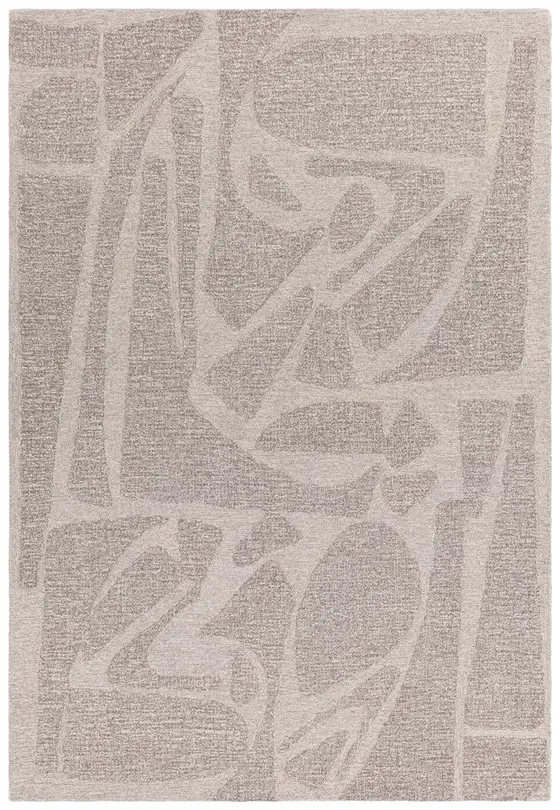
Common Rug backing types
The backing is the underside layer that gives structure and grip. In hand-tufted rugs a latex or synthetic adhesive coating locks the pile yarns in place and often includes a secondary fabric layer such as polyester or jute. Machine-made rugs frequently feature an integrated backing of polypropylene or a woven synthetic scrim. Flatweave rugs such as kilims have no separate backing; the warp and weft yarns form the entire structure.
Latex remains a common choice for handmade rugs because it bonds fibres securely while remaining flexible. Some manufacturers now use latex-free synthetic glues. Cotton canvas or hessian (jute) secondary backings add extra stability but can absorb moisture.
Polypropylene and synthetic backings
Polypropylene backings appear on many budget and outdoor rugs. They resist water and provide reliable grip on both hard floors and low-pile carpet. Because the material is non-absorbent, spills stay on the surface rather than soaking through. The trade-off is that polypropylene can feel slightly stiffer than latex and may crack if the rug is folded sharply for storage.
Recycled polyester backings combine strength with a softer hand feel. These are often used on polypropylene rugs designed for family living rooms where regular vacuuming and occasional spot cleaning are expected.
Grip and slip resistance on different floors
On hardwood, laminate or tiled floors a rug needs sufficient friction to stop movement. Latex-backed rugs usually offer good natural grip, but many UK households add a separate non-slip underlay for extra security. Synthetic backings with a slightly textured underside perform well without additional matting on smooth surfaces.
Over carpet the priority shifts from grip to preventing the rug from sinking or creating ridges. Low-pile or flat backings cause fewer problems here. A thin latex or woven polypropylene layer allows the rug to sit evenly while still permitting the carpet pile to breathe. In small rooms where 20 cm of floor is visible around the edges, a stable backing prevents the rug drifting toward high-traffic areas.
For hallways and landings, consider runner rugs with robust backings. The Hive Wool Runner in Teal is hand-tufted and holds position on both hard floors and carpet without excessive movement.
Durability and long-term wear
Backing quality directly influences how well a rug withstands foot traffic. A properly applied latex backing on a hand-tufted wool rug, such as the Loxley Wool Rug in Stone Grey, keeps tufts anchored. Poorly cured latex can become brittle, leading to delamination where the pile separates from the base.
Polyester and polypropylene backings are water-tolerant. The Colores Cloud Magma C012 Rug in Multicoloured uses a 100 % polypropylene construction throughout, making the entire rug tolerant of occasional spills in dining rooms or kitchens. These synthetics can flatten under heavy furniture.
Wool rugs with a cotton or jute secondary backing gain natural resilience but require drier conditions.
Safety considerations
Loose rugs present a trip hazard, especially on hard floors. A backing with adequate friction reduces this risk, but no rug is completely slip-proof without additional measures. In homes with wooden floors, combining a latex-backed rug with a purpose-made non-slip mat is the safest approach.
Children and pets also benefit from backings that stay flat. Tufted rugs with heavy latex can feel reassuringly anchored, while very lightweight polypropylene designs may need weighting at the corners during the first few weeks until they settle.
When choosing for a bedroom, a softer polyester backing such as that found on the Opulence Shaggy Rug in Ivory Cream provides comfort under bare feet while still offering enough grip to stop the rug sliding when getting in and out of bed. The rug should show about 50-60 cm either side of the bed to keep it stable.
Maintenance and cleaning implications
Backings affect how easily a rug can be cleaned. Latex and synthetic backings tolerate gentle wet cleaning better than natural fibre backings, although excessive water can still cause delamination if the rug is not dried flat. Always follow the care instructions listed on each product page.
Jute or cotton backings may stain if liquid reaches the underside, so prompt blotting is essential. Polypropylene-backed rugs can usually be wiped with a damp cloth and mild detergent. For larger living-room sizes such as 200x290 cm, follow the care instructions on the product page.
In kitchens or dining areas a fully synthetic backing paired with a low pile reduces the chance of food or drink soaking through. The Anders AN08 Rug in Beige & Natural blends space-dyed polyester and polypropylene, offering a practical option for areas where accidental spills are likely.
Choosing the right backing for your room
Start by identifying the floor type and expected traffic. For living rooms with wooden floors, prioritise latex or textured synthetic backings combined with a non-slip underlay. In carpeted bedrooms a lighter woven backing prevents the rug from creating lumps. Dining rooms benefit from polypropylene constructions that tolerate chair movement and occasional crumbs.
Measure carefully: leave 30-60 cm of floor visible around most rugs, or 20 cm in compact spaces. Under a dining table allow an extra 60 cm on all sides so chairs remain on the rug when pulled out. A 3-seater sofa usually pairs best with a 200x290 cm rug in a front-legs-on layout, or 160x230 cm in smaller rooms.
Consider pile height alongside backing. High-pile shaggy rugs need a sturdy base to stop the pile leaning; the Mirage Quartz Shaggy Rug in Green uses a robust polypropylene blend that supports its approx. 20 mm pile.
Always check the product page for exact construction details before purchase.
Explore our full selection of living room rugs or narrow your search to large rugs if you need coverage for an open-plan space. For natural texture, wool rugs remain a practical long-term choice when paired with the correct backing.
Frequently asked questions
Is latex backing safe for underfloor heating?
Check the individual product specifications for suitability.
Can I wash a rug with a jute backing?
Jute dislikes water. Spot clean only with minimal moisture and dry immediately. Full immersion or machine washing will cause shrinkage and staining.
Do all handmade rugs have the same backing?
No. Hand-tufted rugs almost always use latex, while hand-knotted pieces rely on the weave itself. Some premium handmade rugs add a cotton or felt secondary backing for extra weight and comfort.
How long should a good rug backing last?
Heavy traffic, frequent folding or excessive moisture can shorten lifespan.
Will a rubber-backed rug damage my wooden floor?
Prolonged contact with some rubber compounds can cause discolouration. Most rug backings use latex or synthetics rather than pure rubber; however it is still wise to lift and air the rug every few months.
Shop the guide
-
 Caruso Wool Rug in Brown
from £274.98
-
 Henley Wool & Viscose Rug in Silver
from £169.98
-
 Henley Wool & Viscose Rug in Sand
from £169.98
-
 Henley Wool & Viscose Rug in Sage
from £169.98
Related guides
- Rug backings compared: latex, felt, cotton and jute
- Wool Blend Rugs: What the Mix Means
- Warp and weft: how rug weaving works
- Tencel rugs: sustainable fibre explained
- Rug materials explained: wool, jute, viscose, polypropylene and more
- All rug guides
Questions about a specific rug? Every product page lists the maker's size, material, pile height and care details. Delivery is free and tracked to England, Wales and mainland Scotland, and you have 14 days to change your mind. See delivery and returns.