
Polyester rugs explained
Polyester rugs are soft underfoot, affordable and available in many colours and patterns. They offer good stain resistance when treated and resist fading from sunlight better than some natural fibres, yet they can crush over time in high-traffic areas and are not as resilient as wool. Most are machine-woven or hand-tufted, making them a practical choice for busy UK homes where easy cleaning matters more than long-term luxury.
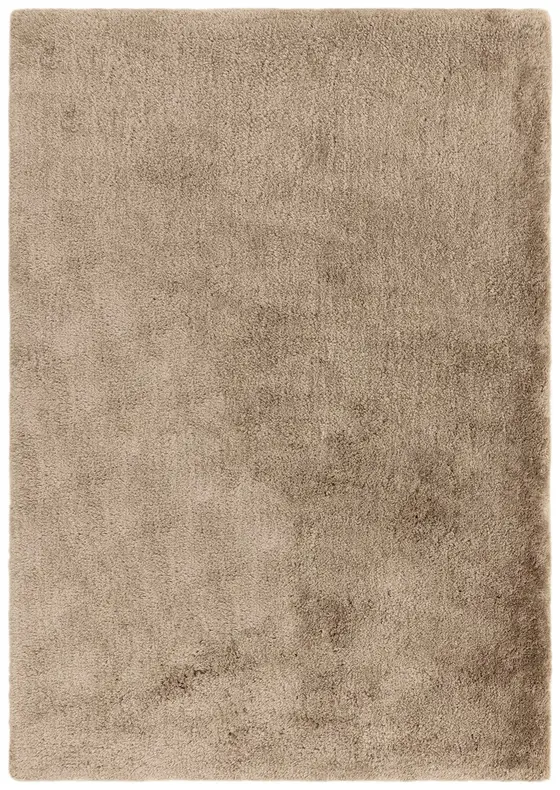
What is polyester in rugs
Polyester is a synthetic fibre. In rug manufacturing it is spun into yarns that can be cut pile, loop pile or a combination. It is often chosen for its ability to hold dye well, producing vivid colours. Many modern polyester rugs use recycled polyester (sometimes labelled PET).
Construction methods vary. Machine-woven polyester rugs are usually low-pile. Hand-tufted versions have a glued backing and can feature higher pile heights. Always check the product page for exact construction, pile height and care instructions.
Softness and underfoot comfort
Polyester can feel soft, especially in shaggy or high-pile designs. The fibre has a smooth surface that many people find more comfortable than coarser sisal or jute. In a living room a polyester shaggy rug can make the space feel warmer, particularly in bedrooms where you walk barefoot.
However, softness comes with a trade-off. The fibre tends to flatten under heavy furniture or constant foot traffic. In a hallway or under a dining table a low-pile polyester rug will hold its appearance better than a deep shaggy one. For front-legs-on sofa layouts choose a size that extends 15-30 cm beyond the sofa ends; in smaller rooms 20 cm of exposed floor around the rug is often enough.
Common sizes that work well include 160x230 cm for compact living rooms and 200x290 cm for larger sofas. Under a bed leave roughly 50-60 cm showing on each side so the rug anchors the room without disappearing under the frame.
Stain resistance and cleaning
Polyester rugs are generally good at resisting stains from food, drink and pet accidents when a protective treatment has been applied during manufacture. Spills usually sit on the surface rather than soaking straight in, giving you time to blot them. Most can be cleaned with a mild detergent and cold water.
Limitations exist. Polyester can develop watermarks if large amounts of liquid are left to dry slowly. It is also less heat-resistant, so keep it away from open fires or radiators. In kitchens or dining rooms a low-pile polyester design is easier to keep clean than a high-pile one.
Compare this to wool rugs which hide dirt well but require more careful stain treatment, or polypropylene rugs which tolerate water better but can feel harsher underfoot.
Durability and practical limitations
Polyester performs adequately in moderate traffic but will show crushing and matting faster than wool. In a busy family living room a polyester rug may need rotating every few months to even out wear. It is also prone to static in dry winter months, although many modern versions include anti-static treatments.
Flame resistance is lower than wool, so polyester rugs are not the first choice directly in front of a fireplace. The fibre can melt under high heat. In rooms with underfloor heating check the product page for suitability.
Colour fading is relatively low in polyester compared with some plant fibres, but direct sunlight over many years can still cause gradual change. Use curtains or blinds in south-facing rooms to extend the life of bright designs.
Polyester compared with other rug materials
Wool remains the benchmark for resilience and natural soil-hiding. It springs back better after compression and is more flame-resistant relative to synthetics, yet it sheds when new and costs more. Polyester offers similar softness at a lower price but will not last as long in heavy-use areas.
Polypropylene is cheaper still and highly water-resistant, making it ideal for kitchens or outdoor-adjacent spaces, but it lacks the luxurious feel of polyester. Blends of polyester and polypropylene, such as those used in some space-dyed designs, combine the softness of polyester with the practicality of polypropylene.
For a luxury look with easier maintenance many customers choose polyester for bedrooms and lighter living areas, reserving wool for formal spaces. Flatweave styles in polyester are rare; most polyester rugs have at least a short pile.
Choosing the right polyester rug for your home
Decide first where the rug will sit. For dining rooms allow 60 cm beyond each edge of the table so chairs remain on the rug when pulled out. In living rooms a 200x290 cm rug suits most three-seater sofas in a front-legs-on layout; downsize to 160x230 cm in smaller rooms.
Look at pile height on the product page. Low-pile polyester rugs are best for high-traffic zones and under tables. Medium to high pile works well in bedrooms or low-use living areas. Check the material description carefully; some rugs described as polyester are actually blends.
Consider colour and pattern. Plain polyester rugs in beige, grey or cream hide everyday marks better than solid bright colours. Abstract or modern designs can disguise wear and footprints. For neutral schemes browse our beige rugs, cream rugs or grey rugs.
Practical checklist before buying:
- Measure the room and furniture accurately.
- Decide on pile height based on traffic and use.
- Check care instructions on the product page.
- Choose a size that leaves 30-60 cm of floor visible around the edges in average rooms.
- Confirm whether the rug is 100 % polyester or a blend.
Popular polyester options include shaggy rugs for bedrooms and low-pile modern designs for living rooms. Many are available in standard UK sizes such as 120x170 cm, 160x230 cm and 200x290 cm.
Maintenance tips for polyester rugs
Vacuum regularly with a beater-bar-free cleaner or suction-only setting to avoid damaging the pile. For spills blot immediately with a clean cloth and mild detergent solution; never rub. Rotate the rug every three to six months to prevent uneven wear and crushing in walkways.
Avoid steam cleaners as the heat can distort the fibres. In homes with pets a low-pile or cut-loop polyester design shows less hair and is easier to maintain than a deep shaggy rug.
With sensible care a good-quality polyester rug can look presentable for years in moderate-use rooms. It will not match the lifespan of a hand-knotted wool rug, but the lower initial cost and wide choice of styles make it an attractive option for many UK households.
Explore our full range of modern rugs or living room rugs to find polyester designs that suit your space. For larger sizes see our large rugs collection.
Frequently asked questions
Are polyester rugs soft?
Yes, polyester rugs can feel very soft, especially in shaggy or high-pile constructions. The fibre has a smooth surface that many find comfortable underfoot, although it does tend to flatten with heavy use. Low-pile versions are firmer but still softer than most polypropylene rugs.
How do polyester rugs handle stains?
Polyester offers decent stain resistance, particularly when a protective coating is applied. Most spills can be blotted away with mild detergent and cold water. It is not as water-tolerant as polypropylene so large spills should be dealt with promptly to avoid watermarks.
Do polyester rugs crush easily?
Yes, polyester is prone to crushing and matting under furniture or constant foot traffic. Rotating the rug and choosing lower pile heights in busy areas helps reduce visible wear. Wool remains more resilient in this respect.
Can you use polyester rugs in a dining room?
Low-pile polyester rugs work well under dining tables. Choose a size that extends at least 60 cm beyond the table on all sides so chairs stay on the rug when pulled out. Avoid deep shaggy styles as they are harder to clean after meals.
How long do polyester rugs last?
In moderate traffic a polyester rug can look good for years. Lifespan depends on pile height, construction and how well it is maintained. High-traffic areas will show crushing and wear sooner than bedrooms or low-use living rooms.
Shop the guide
-
 Myrtle Avenue V Rug in Green
from £139.98
-
 Myrtle Avenue IV Rug in Brown & Cream
from £79.98
-
 Myrtle Avenue III Rug in Brown & Cream
from £79.98
-
 San Francisco Rug in Sage Green & Neutral
from £69.98
Related guides
- Tencel rugs: sustainable fibre explained
- Seagrass rugs explained
- Rug pile density and weight explained
- Rug edges explained: binding, overlocking and fringes
- Rug materials explained: wool, jute, viscose, polypropylene and more
- All rug guides
Questions about a specific rug? Every product page lists the maker's size, material, pile height and care details. Delivery is free and tracked to England, Wales and mainland Scotland, and you have 14 days to change your mind. See delivery and returns.