
One Large Rug vs Two Small Rugs: Which is Best?
One large rug usually works better in most open-plan living rooms because it creates a single unified seating area, reduces visual clutter and is simpler to clean. Two smaller rugs can define separate zones effectively when the room has distinct functions but often look disjointed and require more maintenance. The right choice depends on your room size, furniture layout and how you use the space.
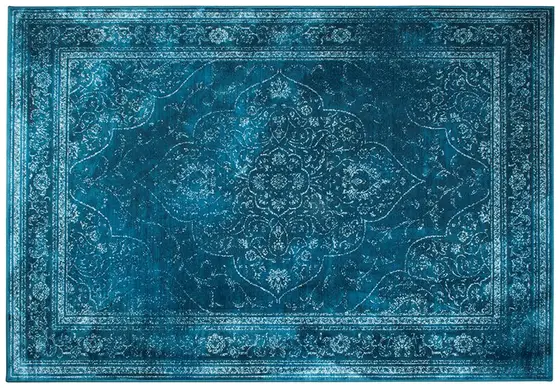
When one large Rug wins
In open-plan living rooms a single large rug anchors the seating area and makes the space feel cohesive. It avoids the chopped-up look that two smaller rugs can create, especially when the sofa and armchairs sit on one continuous surface. A 200x290 cm or 200x300 cm rug typically allows 30-60 cm of floor to show around the edges in standard UK rooms while extending 15-30 cm beyond each end of a three-seater sofa in a front-legs-on layout.
Large rugs also simplify vacuuming and spot cleaning. You deal with one backing, one set of edges and one care routine instead of matching two separate pieces. Wool options such as those in our large wool rugs hide dirt well and recover from foot traffic better than many synthetics.
Practical sizing for living rooms
Measure your seating group first. For a three-seater sofa choose a rug at least 160x230 cm in smaller rooms or 200x290 cm in average spaces so the front legs sit comfortably on the pile and the back legs remain on the floor. In very large open-plan areas an extra-large option gives breathing room without the need for a second rug.
When two small rugs make sense
Two smaller rugs suit open-plan rooms that combine clearly separate functions such as a lounge area and a reading nook or play zone. A 160x230 cm rug under the main seating and a 120x170 cm rug in a secondary area can define each function without one oversized piece dominating the floor.
This approach works when traffic paths need to stay clear or when you want to highlight different materials under different furniture. However the gap between the rugs can trap dirt and create a trip hazard if the heights differ. Polypropylene styles from the polypropylene rugs range tolerate spills in high-use secondary zones.
Visual flow and room proportions
One large rug keeps the eye moving smoothly across the open-plan space. Two rugs can break the flow unless their colours, pile heights and patterns are chosen to relate to each other. Matching tones from the same collection, such as the neutral shades in our beige rugs, help the two pieces read as intentional rather than accidental.
In narrow open-plan layouts a runner-style secondary rug can link areas without competing with a main rug, but most UK homes achieve better balance with one generous rug that covers the primary seating footprint.
Maintenance and durability trade-offs
A single large rug is easier to maintain because you clean one item. Two rugs double the edges that can fray and the surfaces that need regular vacuuming.
Water-sensitive materials such as viscose show marks more obviously on a large surface, so polypropylene or polyester blends offer practical advantages when spills are likely. Our living room rugs include both natural and synthetic options with clear care instructions on each product page.
Furniture layout checklist
- Measure the seating group and add 15-30 cm beyond the front legs.
- Leave 30-60 cm of bare floor around the rug edges in average rooms.
- For dining tables ensure 60 cm extra on all sides so chairs stay on the rug when pulled out.
- In bedrooms aim for 50-60 cm of rug showing either side of the bed.
- Test the layout with masking tape on the floor before buying.
Most UK open-plan living rooms achieve a balanced result with one 200x290 cm rug or one 160x230 cm rug in smaller spaces. Two smaller rugs become useful only when the room clearly divides into separate activity zones that benefit from different textures or colours.
Consider traffic routes, spill risk and how long you plan to keep the rug. A single large neutral design from the plain rugs collection will adapt to future furniture changes more easily than two patterned pieces.
Frequently asked questions
Can two small rugs look good together in an open-plan living room?
Yes if they share a colour palette, similar pile height and complementary patterns. Keep a consistent gap of at least 30 cm between them and align edges parallel to walls or furniture. Without careful coordination the room can look fragmented.
What size rug should I choose for a three-seater sofa?
A 200x290 cm rug works for most UK living rooms in a front-legs-on layout. In smaller rooms a 160x230 cm size is often sufficient. The rug should extend 15-30 cm past each end of the sofa and allow 30-60 cm of floor to show around the perimeter.
Do large rugs or small rugs hide dirt better?
Large wool rugs tend to hide soil effectively across a wide area. Smaller synthetic rugs can show marks more obviously at the edges. The material matters more than size: wool and certain polypropylene blends are more forgiving than plain viscose.
Should I use two rugs under one large L-shaped sofa?
Usually not. One large rug that covers the main seating area looks more cohesive. Two rugs often create an awkward join under the corner section and make vacuuming difficult. A single 200x300 cm rug normally provides better coverage.
Shop the guide
-
 Amelie Lana Rug in Rust With Faded Blue Hues
from £29.98
-
 Atlas Shaggy Rug in Emerald Green
from £59.98
-
 Atlas Shaggy Rug in Gunmetal Grey
from £59.98
-
 Atlas Shaggy Rug in Ivory Cream
from £59.98
Related guides
- Small Rug Uses: 15 Smart Ways to Use Small Rugs in UK Homes
- Large living room rug ideas for spacious UK homes
- Square vs Rectangular Rugs: Choosing the Right Shape
- Runner vs Rug: When to Use Each in Your Home
- Rugs for open-plan living: zoning with rugs
- All rug guides
Questions about a specific rug? Every product page lists the maker's size, material, pile height and care details. Delivery is free and tracked to England, Wales and mainland Scotland, and you have 14 days to change your mind. See delivery and returns.