
Mid-Century Modern Rug Guide: Styling Retro Rooms with Rugs
Mid-century modern rug style relies on geometric patterns, earthy tones and low to medium pile heights that sit comfortably with teak, walnut and tapered-leg furniture. Choose wool or polypropylene rugs in navy, teal, ochre or grey to anchor a retro living room or bedroom without overpowering the clean lines of the era. The right size and placement keep the focus on iconic pieces while adding warmth underfoot.
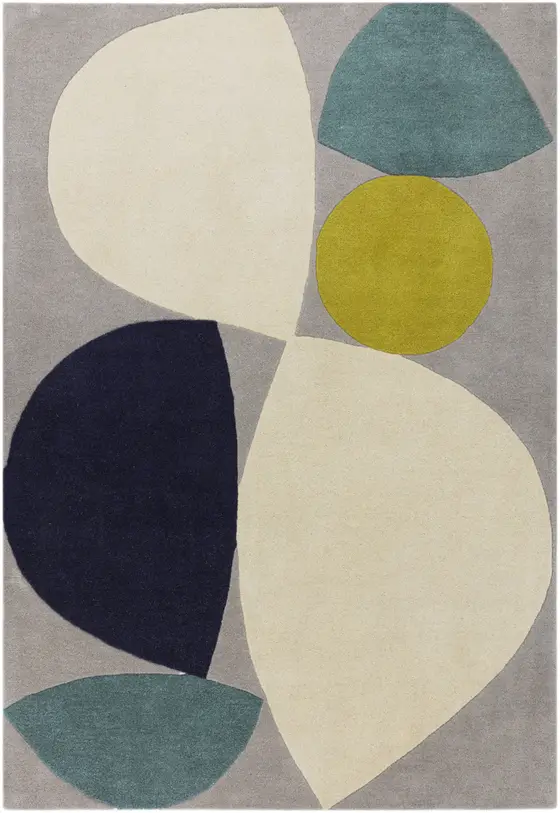
Key characteristics of mid-century modern rugs
Mid-century modern interiors favour simplicity, organic shapes and functional design. Rugs in this style typically feature bold geometric motifs, abstract line work or subtle texture rather than ornate florals. Pile height stays low to medium so furniture sits level and the room feels spacious. Wool offers resilience and soil-hiding properties while synthetic options provide easier cleaning in high-traffic areas.
Common colour palettes draw from the 1950s to 1970s: mustard yellow, burnt orange, olive green, teal, navy, charcoal and warm neutrals. These tones pair well with wooden furniture and statement lighting. Avoid high-shine viscose in busy households because it marks easily with water and crushes under foot traffic.
Material decision rules
- Wool is naturally resilient and flame-resistant relative to synthetics yet sheds when new.
- Polypropylene is stain-resistant and water-tolerant but can crush and is not heat-resistant.
- Recycled polyester offers softness and stain resistance at lower cost yet may lack the depth of wool.
Wool rugs remain a practical choice for living rooms where comfort and longevity matter.
Styling living rooms with mid-century modern rugs
In most UK living rooms leave 30-60 cm of floor visible around the rug. For a three-seater sofa the front-legs-on layout works best. A 160x230 cm rug suits smaller rooms while 200x290 cm accommodates larger sofas with 15-30 cm extending past each end. This placement grounds the seating area without covering the entire floor.
Geometric or abstract designs in teal and navy add retro character. The Reef Mid Century RF25 Wool Rug in Teal & Navy illustrates this with its mid-century pattern and wool pile. Pair it with a walnut coffee table and linen curtains for an authentic look. In tighter spaces a 120x170 cm version keeps proportions balanced.
For neutral schemes the Reef Mid Century RF24 Wool Rug in Grey offers understated geometry. Its hand-tufted construction provides durability while the muted tones allow bolder furniture to stand out. Check the product page for exact pile height, construction and care instructions before purchase.
Bedroom applications and sizing
Under a standard double bed leave 50-60 cm of rug showing on each side. A 200x290 cm or 200x300 cm rug achieves this while keeping feet warm when stepping out of bed. Smaller bedrooms may use a 160x230 cm rug placed at the foot or side of the bed.
Soft recycled polyester options such as the Romy 02 Retro Rug in Green bring retro colour without heavy maintenance. Its pile feels comfortable yet stays practical. For warmer neutrals the Barnaby Wool Rug in Sand adds texture that complements wooden bed frames and linen bedding.
Pattern and colour combinations that work
Mid-century modern rug style often mixes one strong geometric element with plains. An abstract design in ochre and charcoal pairs successfully with plain cream walls and wooden sideboards. Green rugs evoke 1960s optimism while navy offers depth against lighter furniture.
- Teal and navy with walnut tones
- Mustard and grey with black metal legs
- Olive and cream with leather sofas
- Terracotta and ivory for warmer schemes
The Romy 10 Element Rug in Ochre demonstrates effective use of retro colour blocking. Its hand-tufted recycled polyester construction balances cost and appearance. For bolder statements the Jasper Rug in Yellow, Grey, Cream & Black delivers graphic impact in a low pile.
Practical considerations for UK homes
Measure twice before ordering. Standard UK sizes include 120x170 cm, 160x230 cm and 200x290 cm. In dining rooms allow 60 cm beyond each side of the table so chairs remain on the rug when pulled out. Low-pile or flatweave options suit areas with sliding doors or frequent movement.
Wool and polypropylene both appear in mid-century designs but differ in care. Wool hides dirt better yet needs occasional professional cleaning. Polypropylene withstands spills yet can show crushing in heavy traffic. Always follow the care guidance on individual product pages.
Plain textured rugs offer flexibility if pattern feels too dominant. A plain rug in beige or cream still reads as mid-century when paired with retro furniture and simple accessories.
Common mistakes to avoid
Placing a rug that is too small makes the room feel fragmented. A rug that stops short of the sofa legs creates an unbalanced look. Bright white rugs show every mark and rarely suit retro schemes. High-pile shaggy rugs can swallow the slim profiles of mid-century furniture.
Overly busy Persian patterns compete with retro lines. Instead opt for designs with clean repeats or abstract forms. The modern rugs category contains many suitable options that align with this aesthetic.
| Room | Recommended size | Layout tip |
|---|---|---|
| Living room (standard) | 200x290 cm | Front legs of sofa on rug, 15-30 cm overhang |
| Living room (small) | 160x230 cm | Full seating area on rug, 30-60 cm floor border |
| Bedroom (double bed) | 200x290 cm | 50-60 cm visible each side of bed |
| Dining table (6 chairs) | 200x300 cm | 60 cm beyond table on all sides |
Shopping the mid-century modern look
Focus on construction details listed on each product page: hand-tufted wool offers good resilience while machine-woven polypropylene gives value and stain resistance. Check pile height so the rug works with your furniture scale. Free tracked delivery applies to every order across England, Wales and mainland Scotland. You have 14 days after delivery to change your mind.
Explore further options in the abstract rugs, grey rugs and beige rugs categories to refine the palette for your space.
Frequently asked questions
What colours define mid century modern rug style?
Earthy and bold tones from the 1950s-70s work best: teal, navy, mustard, olive green, terracotta, charcoal and warm neutrals. These shades complement teak and walnut furniture while providing contrast against plain walls. Avoid bright white or pastel rugs that clash with the era's aesthetic.
Which pile height suits mid-century furniture?
Low to medium pile keeps the scale balanced. Taller shaggy rugs can dwarf the slim legs and clean lines typical of retro pieces. Check exact pile height on product pages as this affects both appearance and how easily the rug sits under furniture.
Should I choose wool or synthetic for a retro living room?
Wool provides natural resilience, soil-hiding ability and a luxurious feel underfoot but requires more careful cleaning. Polypropylene and recycled polyester offer better stain resistance and easier maintenance yet may crush over time. Wool suits formal living rooms; synthetics work well in busy households.
How do I size a rug for a mid-century sofa?
The rug should extend 15-30 cm beyond each end of the sofa. In most rooms use a 200x290 cm size with front legs on the rug. Smaller rooms may use 160x230 cm. Leave 30-60 cm of floor visible around the edges to maintain the airy feel associated with mid-century design.
Can patterned rugs work in small mid-century bedrooms?
Yes, provided the scale matches the room. A 160x230 cm geometric or abstract design placed at the foot or side of the bed adds interest without overwhelming the space. Keep the pattern simple and the colours muted so the slim furniture remains the focal point.
Shop the guide
-
 Myrtle Avenue V Rug in Green
from £139.98
-
 Myrtle Avenue IV Rug in Brown & Cream
from £79.98
-
 Myrtle Avenue III Rug in Brown & Cream
from £79.98
-
 San Francisco Rug in Sage Green & Neutral
from £69.98
Related guides
- Persian and Oriental Rug Style Guide: Traditional Patterns for UK Rooms
- Geometric Rug Style Guide: Patterns and Styling Ideas for UK Homes
- Floral rugs: how to style them in modern homes
- Cottagecore Rug Style Guide: Romantic and Rustic Styling Ideas
- Rugs for nurseries and children's rooms
- All rug guides
Questions about a specific rug? Every product page lists the maker's size, material, pile height and care details. Delivery is free and tracked to England, Wales and mainland Scotland, and you have 14 days to change your mind. See delivery and returns.