
How to get rid of rug moths
Rug moths, specifically the larvae of the common clothes moth, can damage wool rugs by feeding on the natural fibres. To eradicate them, first vacuum thoroughly on both sides, then use a targeted moth spray or freeze small items. Prevention relies on regular cleaning, good ventilation and storing wool items properly to stop re-infestation.
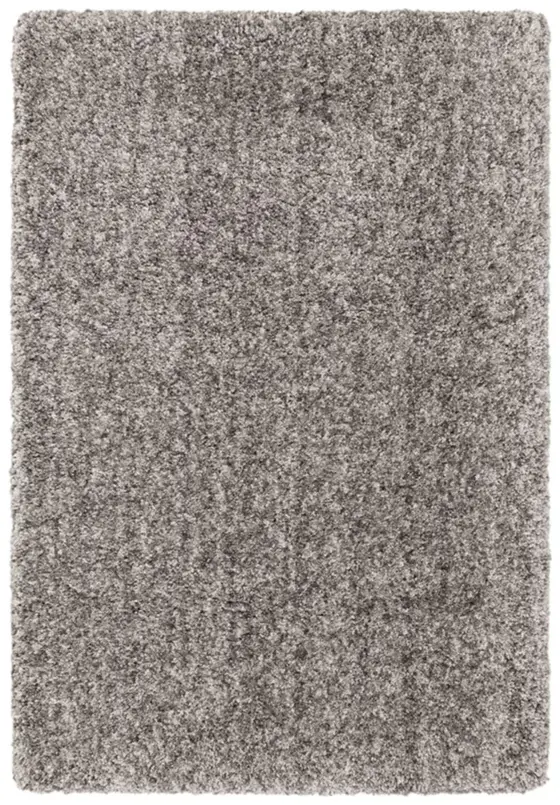
Identifying clothes moth damage on wool rugs
Clothes moth larvae leave irregular holes, loose fibres and silky webbing on wool rugs. Look for small white grubs or brownish adult moths near skirting boards or under furniture. Damage often appears in infrequently moved rugs in bedrooms or living rooms. Early detection prevents widespread holes that cannot be repaired easily.
Signs to check for
- Small holes with frayed edges, especially in darker or hidden areas
- Fine webbing or silken tubes on the pile
- Loose wool fibres that pull away easily
- Live larvae or empty cocoons under the rug
Wool is particularly vulnerable because larvae prefer keratin-rich animal fibres. Wool rugs require prompt action compared with synthetic options.
Immediate treatment steps
Start by taking the rug outside if possible. Vacuum both sides thoroughly, paying attention to the backing and edges where eggs hide. Dispose of the vacuum bag immediately in an outdoor bin. For hand-tufted wool rugs, avoid over-wetting the glued backing.
- Isolate the affected rug from other wool items
- Vacuum daily for one week to remove larvae
- Wipe hard floors underneath with a vinegar solution
- Use a clothes moth spray labelled for textiles on the underside
For valuable or large rugs, professional cleaning may be safer. Check product care instructions on each rug page for specific guidance.
Natural and chemical control methods
Natural options include cedarwood blocks, lavender sachets and essential oils such as neem or peppermint, which deter adult moths. These work best as prevention rather than cure for active infestations. Chemical moth traps and sprays target both adults and larvae more effectively but must be used according to instructions to avoid damaging rug colours.
Freezing smaller rugs or sections in sealed bags for 72 hours can kill eggs and larvae. This method suits small rugs but is impractical for larger sizes common in UK living rooms.
Comparing control options
| Method | Effectiveness | Suitability for Wool Rugs |
|---|---|---|
| Vacuuming | High for larvae removal | Safe on all pile heights |
| Cedar/lavender | Repellent only | Good for ongoing prevention |
| Moth sprays | High | Test on inconspicuous area first |
| Freezing | High for eggs/larvae | Best for smaller items |
Preventing future moth problems
Regular maintenance is the best defence. Vacuum wool rugs weekly, especially in low-traffic areas where dust and fibres accumulate. Rotate rugs every few months to avoid permanent pressure marks and expose hidden areas. Keep rooms well ventilated and avoid storing rugs in dark, humid cupboards.
Use moth traps in wardrobes and under furniture to monitor adult moth numbers. For bedroom rugs, this is particularly useful as clothes moths thrive in quiet spaces. Clean any spills immediately because food residues attract moths.
Wool rugs still benefit from professional cleaning in homes with pets or high traffic. Consider plain wool rugs with shorter pile heights because they are easier to keep clean and less likely to harbour larvae deep in the pile.
Cleaning wool rugs safely
Never soak a wool rug. Use a dry-cleaning method or specialist wool-safe shampoo applied sparingly with a cloth. Blot, never rub. After treatment for moths, allow the rug to dry completely before replacing furniture.
For hand-knotted or flatweave wool styles, gentle brushing helps lift fibres. Always follow the care instructions listed on individual product pages. Wool and viscose rugs need extra caution because the viscose portion is water-sensitive and can develop watermarks.
Choosing less vulnerable Rug types
While wool is naturally resilient and flame-resistant relative to synthetics, some blends and constructions are less attractive to moths. Flatweave styles have no pile for larvae to burrow into. Synthetics such as polypropylene are not edible to clothes moths, although they can still support dust that attracts other pests.
When replacing a damaged rug, measure carefully. In most UK living rooms leave 30-60 cm of floor visible around the edges. Under a dining table, allow 60 cm extra on each side so chairs remain on the rug when pulled out. For sofas, a front-legs-on layout works well with a 160x230 cm or 200x290 cm rug depending on room size.
Explore geometric wool rugs or large wool rugs in styles that suit your room while considering long-term care.
When to call professionals
If damage is extensive or the rug is valuable, contact a specialist textile conservator or professional cleaner. They can treat for moths without further harming the fibres or backing. In the UK, look for members of recognised trade associations for rug care.
A consistent routine of vacuuming, monitoring and good storage protects wool rugs.
Frequently asked questions
Can rug moths damage synthetic rugs?
Clothes moth larvae primarily eat wool, silk and other animal fibres. They do not consume polypropylene or other synthetics. However, they may nest in any rug that accumulates skin flakes, hair or food debris. Regular vacuuming prevents this.
How long does it take to get rid of rug moths?
Complete eradication requires consistent vacuuming, trapping and treatment. Eggs can hatch over several weeks, so monitoring with pheromone traps is essential to confirm the infestation has ended.
Do vacuum cleaners kill moth larvae?
Vacuuming removes larvae, eggs and webbing effectively. Empty the vacuum bag or canister outside immediately after use so that any surviving larvae cannot escape back into the home.
Are mothballs safe to use near wool rugs?
Traditional mothballs contain chemicals that can transfer to rugs and cause discolouration or off-gassing. Modern cedar blocks, lavender or approved textile sprays are safer alternatives for UK homes with wool flooring.
Can I wash a wool rug to remove moths?
Most wool rugs are not suitable for machine or full immersion washing. The moisture can damage the fibres, backing or cause shrinkage. Spot cleaning or professional dry cleaning is recommended instead.
Shop the guide
-
 Caruso Wool Rug in Brown
from £274.98
-
 Henley Wool & Viscose Rug in Silver
from £169.98
-
 Henley Wool & Viscose Rug in Sand
from £169.98
-
 Henley Wool & Viscose Rug in Sage
from £169.98
Related guides
- How to get curry and turmeric stains out of a rug
- How to Get Mud Out of a Rug
- How to Get Blood Out of a Rug
- Spring cleaning rugs: deep clean guide
- How to get creases out of a rug
- All rug guides
Questions about a specific rug? Every product page lists the maker's size, material, pile height and care details. Delivery is free and tracked to England, Wales and mainland Scotland, and you have 14 days to change your mind. See delivery and returns.