
How to Get Blood Out of a Rug
Fresh blood stains on a rug can usually be lifted with cold water and gentle blotting if tackled immediately. For dried blood, a combination of cold water, mild detergent and an enzyme-based cleaner breaks down the proteins without setting the stain. Always test any solution on an inconspicuous area first and avoid hot water or rubbing, which can push the blood deeper into the fibres.
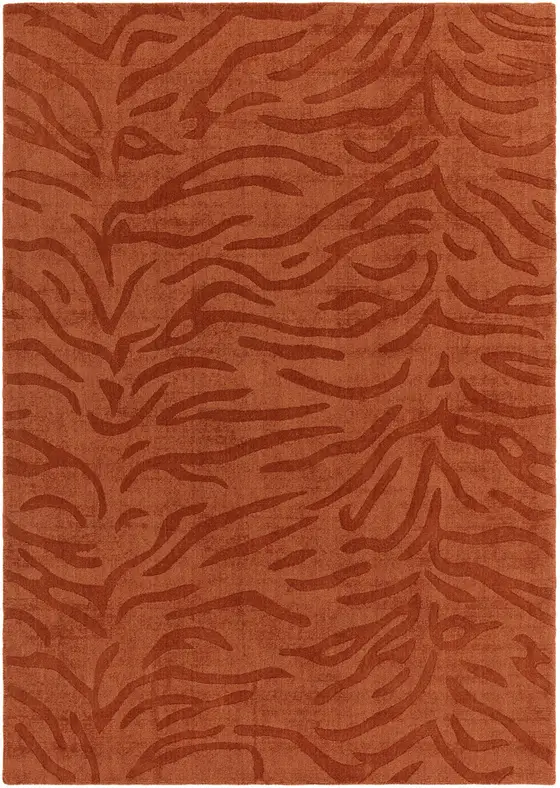
Act quickly on fresh blood stains
Blood is a protein-based stain that bonds to rug fibres as it dries, so speed matters. The first step is to blot, never rub, using a clean white cloth or paper towel. Work from the outside of the stain towards the centre to stop it spreading. Remove as much liquid as possible before any cleaner is applied. This approach works on most common rug types sold in the UK.
Wool rugs are naturally resilient but blood can mat the fibres if left, so prompt action is essential. For polypropylene that tolerates water better, the same blotting technique applies but you have slightly more time before the stain sets.
Why cold water only?
Hot water cooks the proteins in blood and makes the stain permanent. Use only cold or room-temperature water. Fill a bowl with cold water and have clean cloths ready. If the rug is small enough, you can place a shallow tray underneath the stained area to catch drips, but avoid soaking the backing on hand-tufted rugs as the glue can loosen.
Step-by-Step cold water method
- Blot excess blood with a dry cloth until no more transfers.
- Dampen a clean cloth with cold water and gently dab the stain. Do not rub.
- Repeat with fresh cloths until the water runs clear.
- If colour remains, mix one teaspoon of mild dish detergent with two cups of cold water.
- Apply the solution sparingly with a cloth and blot again.
- Rinse by dabbing with a cloth soaked in plain cold water.
- Blot dry with a towel and allow the rug to air dry completely.
This method removes most fresh stains from polypropylene rugs and many synthetic blends. Work in sections on larger rugs so the surrounding pile stays dry. Move furniture aside during cleaning to reach the full area.
Using natural enzyme cleaners
Enzyme cleaners break down the proteins in blood that ordinary detergents cannot touch. Look for laundry or pet-stain removers that list protease enzymes. Apply after the cold-water step above. Let the enzyme solution sit for 10–15 minutes, then blot and rinse thoroughly with cold water.
Enzymes are particularly useful on wool because they target the blood without harsh chemicals. Wool rugs require extra care with moisture: never oversaturate. After enzyme treatment, place a fan nearby to speed drying. Jute rugs dislike water, so test enzyme products cautiously and dry immediately.
Many modern rugs use a polyester and polypropylene blend that stands up well to enzyme cleaners.
Removing dried or set blood stains
Older stains need more patience. Start again with cold water to rehydrate the blood, then follow with the detergent solution. For stubborn marks, a paste of bicarbonate of soda and cold water can help lift residue after the enzyme step. Apply the paste, leave for 30 minutes, then vacuum once dry. Repeat if needed.
On viscose rugs, water marks are a risk, so work in small areas and dry quickly. These shiny fibres crush easily, so avoid aggressive scrubbing. Flatweave jute rugs are harder-wearing but can show water marks if over-wetted. For these, minimal liquid and rapid drying are key.
Hand-knotted wool rugs and hand-tufted constructions both have backings that dislike prolonged dampness. After cleaning any rug, lift it occasionally to ensure air reaches the underside. The same cold-water rules apply in any room.
Rug material differences
Different fibres react differently to blood and to cleaning. Wool is resilient and flame-resistant relative to many synthetics, but new wool rugs shed and benefit from regular vacuuming after cleaning. Polypropylene is water-tolerant and stain-resistant yet can flatten under heavy pressure. Jute dislikes water and may darken or mark permanently if left wet.
Sisal is coarser and more durable than jute but still needs prompt drying. A low-pile or flatweave option is easier to keep clean after spills.
Jute and natural fibre rugs require careful stain treatment. Cream and beige tones show blood more readily, so immediate action prevents permanent discolouration.
Prevention and Aftercare
Place mats at doorways and under coffee tables to catch drips. In homes with pets or young children, darker or patterned rugs hide marks better than pale plains. Regular vacuuming keeps fibres upright and removes grit that can grind stains deeper.
After any cleaning, allow the rug to dry fully before replacing furniture. Turn the rug occasionally so wear is even. In smaller rooms reduce the border to around 20 cm.
Always follow the care instructions on the product page, which list material, pile height and recommended cleaning. Professional cleaning may be needed for valuable handmade pieces or if stains persist after home treatment.
The cleaning principles stay the same: cold water, gentle action and complete drying.
Understanding these differences lets you maintain rugs that suit daily life.
Frequently asked questions
Can I use vinegar to remove blood from a rug?
White vinegar diluted with cold water can help loosen dried blood after the initial cold-water blotting. Mix one part vinegar to two parts cold water, apply sparingly, blot and rinse. It is not as effective as enzyme cleaners on protein stains but works as a secondary step on wool or polypropylene. Always test first.
Will hydrogen peroxide bleach my coloured rug?
Hydrogen peroxide can lighten some dyes, especially on wool or viscose. It is better reserved for white or very pale rugs. On coloured polypropylene it is usually safer but still test on an edge. Enzyme cleaners are a gentler first choice for most UK households.
How do I clean blood from a jute rug without ruining it?
Jute dislikes water, so use the absolute minimum. Blot immediately with a dry cloth, then dab very lightly with a cloth barely dampened in cold water. Follow with a tiny amount of mild detergent solution if needed. Dry the area quickly with a fan or hairdryer on cool. Avoid enzyme sprays that require longer dwell time.
Does salt help draw blood out of a carpet or rug?
Salt can absorb some fresh liquid but is less effective on blood than on other stains. It may help on a small fresh spot after blotting, but cold water and enzyme treatment remain more reliable. Vacuum the salt once dry and follow with the normal cleaning steps.
When should I call a professional cleaner for a blood stain?
Call a professional if the stain is large, on a valuable hand-knotted rug, or if home methods have not worked after two attempts. Professionals use specialist equipment that extracts moisture thoroughly, reducing the risk of watermarking on wool, jute or viscose rugs.
Shop the guide
-
 Caruso Wool Rug in Brown
from £274.98
-
 Henley Wool & Viscose Rug in Silver
from £169.98
-
 Henley Wool & Viscose Rug in Sand
from £169.98
-
 Henley Wool & Viscose Rug in Sage
from £169.98
Related guides
- How to get curry and turmeric stains out of a rug
- How to Get Mud Out of a Rug
- How to Remove Ink and Felt-Tip Pen from a Rug
- How to Remove Chewing Gum from a Rug
- How to get creases out of a rug
- All rug guides
Questions about a specific rug? Every product page lists the maker's size, material, pile height and care details. Delivery is free and tracked to England, Wales and mainland Scotland, and you have 14 days to change your mind. See delivery and returns.