
How to Get Mud Out of a Rug
To remove dried mud from a rug, first let it dry completely then vacuum or brush off loose particles before gently blotting any remaining stain with a mild detergent solution. For wool rugs work from the edges inward to avoid spreading the mark; polypropylene and outdoor rugs can usually tolerate a light hose rinse. Always test any cleaning method on an inconspicuous area first and allow the rug to dry flat.
Preparing the Rug for Cleaning
Begin by allowing any wet mud to dry fully. Wet mud pushed into fibres creates a deeper stain that is harder to shift. Once dry, take the rug outside if possible and shake it vigorously or hang it over a railing and beat with a broom. This removes the bulk of loose soil without pushing particles further into the pile.
For larger rugs that cannot be shaken easily, lay them flat and use a stiff brush or soft broom to sweep in one direction. Avoid aggressive scrubbing at this stage. Indoor rugs benefit from being placed on a hard floor or protective sheet to catch debris. Outdoor rugs, often made from recycled polyester or polypropylene, are more forgiving and can be hosed lightly at this point provided the label permits it.
Check the product page for construction details. Hand-tufted rugs have a glued backing that dislikes excess water, while flatweave or low-pile options are simpler to clean. Wool rugs hide soil well but can shed initially; polypropylene rugs tolerate water but may flatten if scrubbed too hard.
Tools you will need
- Soft-bristled brush or carpet rake
- Hoover with upholstery attachment
- White cloths or kitchen roll
- Mild detergent (wool-safe for natural fibre rugs)
- Cold water in a spray bottle
- Garden hose for outdoor rugs
- Protective gloves
Never use bleach, ammonia or hot water on wool, viscose or jute. These can cause permanent discolouration or shrinkage.
Step-by-Step mud removal process
After initial brushing, vacuum thoroughly in multiple directions. For shaggy or high-pile rugs lift the pile with a carpet rake first. Once loose mud is gone, mix a solution of one teaspoon of mild detergent in 250 ml of cold water. Test on an edge of the rug.
Dampen a clean white cloth with the solution and blot the stained area working from the outer edge of the mud mark towards the centre. This prevents the stain spreading. Rinse the cloth frequently in clean water and repeat until no more colour transfers. For stubborn marks on polypropylene rugs a slightly firmer brush can be used but keep the rug as dry as possible.
After blotting, rinse the area with a cloth dampened in plain cold water to remove detergent residue. Blot dry with absorbent towels. Place a fan nearby or open windows to speed drying. Never dry a rug in direct sunlight or over a radiator as this can cause uneven shrinkage or fading, especially on wool or handmade pieces.
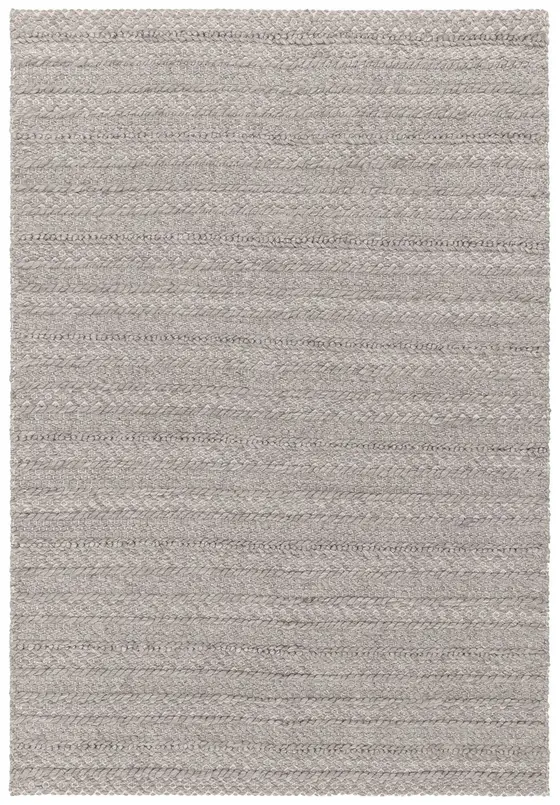
For outdoor rugs such as the Grayson Outdoor Rug in Grey, a light garden hose rinse after brushing is often sufficient. Allow the rug to drain and dry completely on a flat surface before returning it to use.
Cleaning different Rug materials
Treatment varies by fibre. Wool rugs are resilient but dislike soaking. Use the minimum water possible and blot rather than rub. Viscose (sometimes labelled bamboo silk) is particularly prone to watermarks and crushing so avoid over-wetting. Jute rugs dislike water; a dry brush and vacuum is safest, with spot cleaning using as little moisture as possible.
Polypropylene and recycled polyester rugs are the most tolerant. The Colores Cloud Sunset C010 Rug or similar machine-woven polypropylene options can often be hosed down outdoors. Low-pile and flatweave constructions are easier to clean than deep shaggy piles where mud lodges at the base.
Hand-tufted wool rugs such as the Reef RF14 Wool Rug in Multicoloured require extra care. The pile traps dirt but the natural fibre responds well to gentle blotting. Avoid commercial carpet cleaners that contain optical brighteners or strong alkalis.
Outdoor rugs
Outdoor rugs made from performance yarns or polypropylene are designed for higher exposure. The Coventry Outdoor Rug and Grayson range in cream or grey can usually be cleaned with a hose after mud has dried and been brushed off. Lay them flat to dry to maintain shape. These rugs suit patios, decking or high-traffic family areas where mud is common.
Drying and Finishing the Rug
Proper drying prevents mildew and restores pile height. After blotting, place the rug pile-side up on a dry, flat surface with good air circulation. Turn it occasionally. For larger living-room sizes (160x230 cm or 200x290 cm) drying can take 24-48 hours depending on room temperature and humidity.
Once completely dry, vacuum again to lift the pile. A rubber-soled brush or the back of a clean dustpan can help realign flattened areas on wool or polyester rugs. If the rug has a glued backing, avoid folding it while damp as this can cause permanent creases.
In UK homes with underfloor heating, move the rug to a cooler area during drying. High humidity in bathrooms or kitchens makes drying slower and increases the risk of musty smells.
Preventing future mud stains
Place a doormat or boot scraper outside the main entrance. Encourage family members to remove shoes in the hallway. For living rooms, position rugs so they do not sit directly in high-traffic muddy pathways. A 160x230 cm rug often suits smaller rooms while a 200x290 cm rug works under most three-seater sofas with front legs on the rug and 30-60 cm of floor showing around the edges.
Regular vacuuming prevents tracked-in dirt becoming embedded. Rotate rugs every six months so wear is even. In dining areas ensure at least 60 cm of rug extends beyond the table and chairs on all sides so pulled-out chairs remain on the rug rather than dragging mud from shoes.
Consider polypropylene or outdoor-style rugs in mud-prone areas such as conservatories or near patio doors. The Atlas Shaggy Rug in Emerald Green or Mirage Mineral Shaggy Rug in Green offer texture with easier maintenance than wool. Cream and beige rugs show mud more readily than darker grey or multicoloured designs.
When to Call a Professional
Very large rugs, valuable handmade pieces or rugs with heavy staining may need specialist cleaning. If the mud contains clay or the rug has discoloured after home treatment, stop and seek advice. Professional cleaners can deep-clean without risking the backing glue on hand-tufted rugs or the natural oils in wool.
For everyday family rugs bought online, the methods above are usually sufficient. Always follow the care instructions listed on each product page.
Rug care by room
In bedrooms, smaller rugs (120x170 cm) under the bed should show 50-60 cm on each side. Mud is less common here but vacuum weekly. Living-room rugs see more foot traffic; choose low-pile or polypropylene options near entrances. Dining-room rugs need to accommodate chairs pulled out, so add 60 cm on every side of the table.
Outdoor rugs on decks or terraces cope with rain and mud better. The Grayson Outdoor Rug in Cream combines practicality with neutral tones that suit most UK gardens.
| Material | Best Cleaning Method | Water Tolerance |
|---|---|---|
| Wool | Blot with mild solution | Low – avoid soaking |
| Polypropylene | Vacuum then hose if needed | High |
| Recycled polyester | Blot or light rinse | Medium to high |
Choosing the right rug for the location reduces cleaning effort. Wool rugs bring softness to living rooms but require more careful maintenance, while polypropylene rugs suit busy households and outdoor spaces. Outdoor rugs provide durable options that handle British weather and muddy boots with less fuss.
Frequently asked questions
Can I use a steam cleaner on a muddy rug?
Steam cleaners are not recommended for most rugs, especially wool, viscose, jute or hand-tufted designs. The heat and moisture can damage glue backings, cause shrinkage or set stains. Use cold-water blotting instead. Polypropylene outdoor rugs are more tolerant but a hose is usually sufficient.
How long does a rug take to dry after mud removal?
Drying time depends on size, pile height and air circulation. A 160x230 cm low-pile rug may dry in 12-24 hours with good ventilation. Shaggy or wool rugs can take 48 hours or longer. Always ensure the rug is completely dry before replacing furniture to prevent mildew.
Will mud stains come out of a cream or beige rug?
Cream and beige rugs show mud more obviously but the stains can usually be lifted if treated promptly after drying and vacuuming. Use the blotting method with a white cloth to avoid transferring dye. Darker grey or multicoloured rugs hide dirt better between cleanings.
Is it safe to wash a jute rug with water?
Jute dislikes water and can stain or distort when wet. Limit cleaning to thorough vacuuming and dry brushing. If a small spill occurs, blot immediately with minimal water and dry flat as quickly as possible. Consider polypropylene alternatives in muddy areas.
Should I remove furniture before cleaning mud from a rug?
Yes. Moving sofas, tables or beds lets you clean the entire rug and prevents pressure marks while it dries. For a typical UK living room layout with a 200x290 cm rug, clear the space so the rug can dry flat with air circulating underneath.
Shop the guide
-
 Coventry Outdoor Rug in Beige
from £468.99
-
 Grayson Outdoor Rug in Grey
from £179.98
-
 Grayson Outdoor Rug in Cream
from £179.98
-
 Colores Cloud Gardenia CO01 Outdoor Rug in Multicoloured
from £69.98
Related guides
- How to get curry and turmeric stains out of a rug
- How to Get Blood Out of a Rug
- How to Remove Ink and Felt-Tip Pen from a Rug
- How to Remove Chewing Gum from a Rug
- How to get creases out of a rug
- All rug guides
Questions about a specific rug? Every product page lists the maker's size, material, pile height and care details. Delivery is free and tracked to England, Wales and mainland Scotland, and you have 14 days to change your mind. See delivery and returns.