
How to Fix Flattened Rug Pile from Furniture
Heavy furniture such as sofas, dining tables and coffee tables can leave deep dents in rug pile. You can usually lift the crushed fibres using ice cubes, steam, a damp cloth and a stiff brush or by rotating the rug. These methods work on most wool, polypropylene and polyester rugs without specialist equipment.
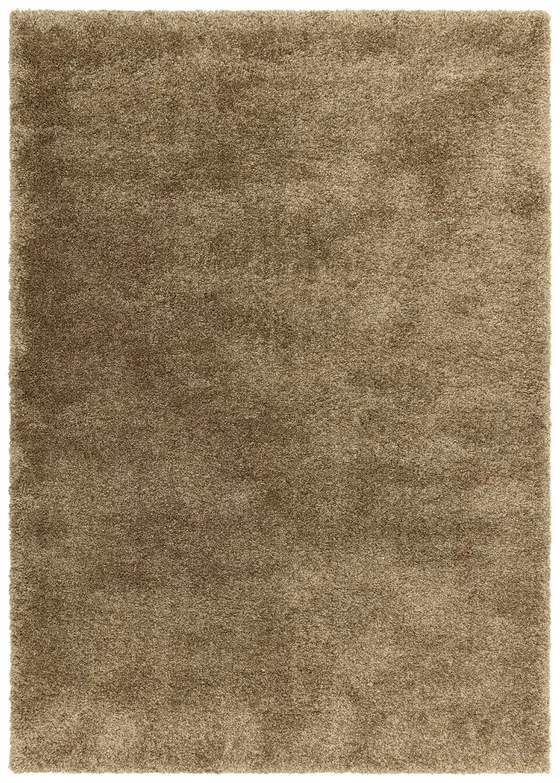
Why pile flattens under furniture
Pile flattens when constant pressure from furniture legs or bases compresses the yarns. Wool fibres bend but have good natural resilience; polypropylene and polyester can crush more easily. The depth of the dent depends on how long the furniture has been in place, the weight applied and the rug’s pile height and construction. In most UK living rooms a 160x230 cm or 200x290 cm rug placed with front sofa legs on it is the common layout, so the front legs create the deepest impressions.
Quick ice cube method for shallow dents
This is the fastest fix for most polypropylene and polyester rugs and works well on many wool rugs too.
- Place one or two ice cubes directly on the dent.
- Let them melt completely – usually 10–15 minutes.
- Blot excess water with a clean towel.
- Once dry, brush the pile gently against the grain then back again with a stiff brush or the back of a spoon.
The ice swells the fibres as it melts and the brushing realigns them. Repeat if needed after the rug has fully dried. Avoid this method on viscose or jute rugs because both dislike water.
For deeper impressions left by a 3-seater sofa, move the furniture, treat the area, then leave the rug to recover for 24 hours before replacing the sofa. See our range of polypropylene rugs that are more tolerant of this treatment.
Steam and brush technique for deeper compression
Steam works on wool and many synthetic piles by relaxing the fibres so they can be lifted.
- Use a household clothes steamer or an iron on steam setting held 5–10 cm above the dent.
- Apply short bursts of steam – never soak the rug.
- While the pile is damp, brush upwards with a soft-bristled brush or carpet rake.
- Allow the area to dry completely with good airflow before walking on it.
Hand-tufted rugs have a glued backing so avoid excessive heat or water that could weaken the latex. Our wool rugs respond particularly well to this method because wool is naturally resilient.
Tools you need
A clean white towel, ice-cube tray, clothes steamer or iron, stiff brush or carpet rake, and a hairdryer on cool setting for faster drying. Keep a vacuum cleaner nearby to remove any loose fibres after brushing.
Preventing future flattening
The most effective prevention is to rotate your rug every six months so pressure is not always on the same area. Use furniture coasters or cups under heavy legs to spread the weight. In living rooms choose a rug large enough that the front sofa legs sit fully on it – typically 160x230 cm in smaller rooms or 200x290 cm for a standard 3-seater. Thick pile rugs hide dents better than low pile but still benefit from rotation.
Flatweave and low-pile designs show marks less. Consider low pile rugs for dining areas where chairs are moved often. For bedrooms a rug that extends 50–60 cm beyond each side of the bed reduces pressure points from bed legs.
Material-Specific care after treatment
Different fibres react differently to pile-lifting treatments.
| Material | Best Method | Notes |
|---|---|---|
| Wool | Steam + brush or ice | Resilient; may shed slightly after treatment |
| Polypropylene | Ice cube method | Water tolerant but can re-crush easily |
| Polyester / PET | Steam or ice | Good recovery; avoid high heat |
| Viscose blends | Dry brushing only | Water marks easily; prone to permanent crushing |
| Jute | Dry brushing or vacuum | Dislikes water; can mark permanently |
After treatment vacuum on a low setting. For hand-tufted rugs never pull at loose fibres. Product pages list pile height, construction and care instructions for each rug.
If you have a high-traffic living room, thick rugs or high-low pile rugs can make dents less obvious.
When the damage is permanent
Very old deep dents in viscose or low-quality polypropylene may not fully recover. In these cases rotating the rug so the damaged area sits under a coffee table or in a low-traffic corner can hide the problem. If the backing has split or the pile is worn through it is time to replace the rug. Many customers choose new large rugs in resilient wool or recycled polyester that stand up better to furniture weight.
Daily maintenance tips
Vacuum at least once a week in the direction of the pile. For shaggy rugs use a suction-only vacuum. Fluff the pile monthly with a brush even if no furniture has been moved. Check product pages for exact pile height before buying.
Frequently asked questions
How long does it take for a rug dent to lift with the ice cube method?
Most shallow dents in polypropylene or polyester rugs lift within 1–2 hours after the ice melts and the area is brushed. Deeper wool dents may need 24 hours of drying time before the pile fully stands back up. Repeat the process once the rug is completely dry if the impression remains.
Can I use a steam cleaner on a viscose rug?
No. Viscose is highly water-sensitive and steam can cause permanent watermarks and flattening. Use only very light dry brushing on viscose blends and accept that deep dents may not recover fully.
Will moving the sofa every few months stop pile flattening?
Rotating or moving the rug every six months greatly reduces permanent dents because it allows crushed fibres time to recover. Using coasters under legs also helps spread weight on 160x230 cm or 200x290 cm rugs.
Is it safe to steam a hand-tufted wool rug?
Yes, provided you use short bursts of steam from 5–10 cm away and never soak the backing. The latex glue on hand-tufted rugs can weaken with excessive heat or water, so always dry the rug thoroughly afterwards.
Do shaggy rugs recover better from furniture marks?
Shaggy polypropylene rugs with 30–45 mm pile hide dents better than low-pile rugs but the long fibres can stay matted if left too long. Regular brushing after ice or steam treatment helps them stand up again.
Shop the guide
-
 Amelie Lana Rug in Rust With Faded Blue Hues
from £29.98
-
 Atlas Shaggy Rug in Emerald Green
from £59.98
-
 Atlas Shaggy Rug in Gunmetal Grey
from £59.98
-
 Atlas Shaggy Rug in Ivory Cream
from £59.98
Related guides
- How to Remove Tea Stains from a Rug
- How to Remove Slime from a Rug
- How to Remove Pet Urine from a Rug
- How to Remove Paint from a Rug
- How to remove stains from a rug
- All rug guides
Questions about a specific rug? Every product page lists the maker's size, material, pile height and care details. Delivery is free and tracked to England, Wales and mainland Scotland, and you have 14 days to change your mind. See delivery and returns.