
How to Clean a Rug Without a Vacuum Cleaner
You can clean a rug without a vacuum by sweeping with a stiff broom, beating it outdoors to remove dust, and tackling spills immediately with the right cloth and solution. For wool rugs use minimal water and blot dry; polypropylene tolerates damp wiping better but still needs thorough drying. Always test any cleaner on an inconspicuous corner first and work from the outer edges inward.
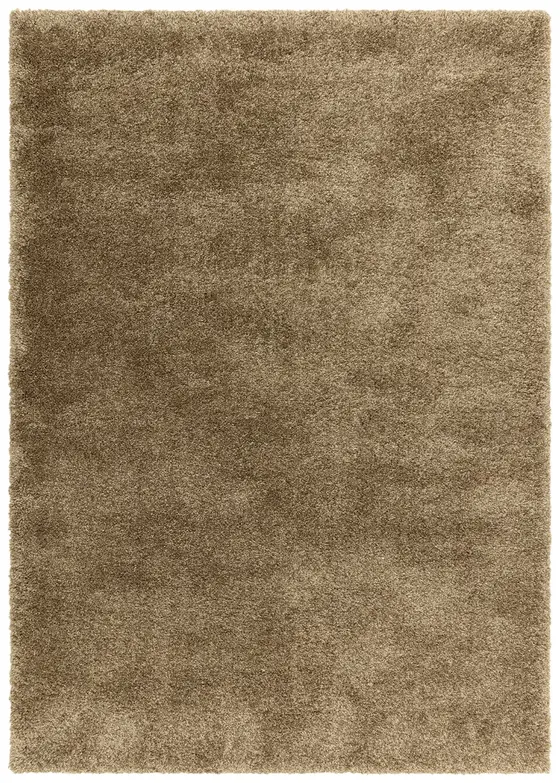
Sweeping and beating
Sweeping lifts surface dirt from low-pile and flatweave rugs when a vacuum is unavailable. Use a stiff-bristled broom or a carpet sweeper with a non-motorised brush. Work in short strokes following the pile direction on cut-pile rugs to avoid pushing grit deeper. For larger rugs, take them outside, hang over a sturdy rail and beat with a carpet beater or a clean, flat object. This method works especially well for wool rugs because the natural fibres release trapped soil more easily when dry.
Do this regularly in high-traffic areas. In smaller UK rooms allow 20 cm of bare floor around the rug; this space makes it easier to sweep edges without scattering debris onto the surrounding floor.
Tools needed
- Stiff broom or soft-bristled brush
- Carpet beater (or clean tennis racket)
- Old sheet to catch falling dirt
- Garden hose (for rinsing polypropylene only)
Wool rugs respond best to dry beating while polypropylene rugs can tolerate a light outdoor rinse afterwards if needed.
Spot cleaning spills
Act fast on spills. Blot liquid immediately with white kitchen paper or a clean microfibre cloth. Never rub. For solids lift with a blunt knife then treat the mark.
Use a solution of mild wool detergent in lukewarm water for wool. For polypropylene a drop of washing-up liquid in warm water is usually enough. Test first. Blot, do not scrub. Rinse the cloth frequently and finish by blotting with a dry towel. Place a fan nearby or open windows to speed drying and prevent watermarks on viscose.
Common stains:
- Red wine or coffee: blot then dab with diluted white vinegar
- Pet accidents: blot then use an enzyme cleaner formulated for rugs
- Mud: let dry completely, brush off then spot clean
Hand-tufted rugs have a glued backing so keep moisture to a minimum to avoid delamination.
Deeper cleaning methods
When surface cleaning is not enough, try one of these approaches depending on material and size.
Dry cleaning powder or absorbent
Sprinkle a dry rug shampoo or baking soda over the entire surface. Let it sit then brush in gently and sweep or beat out thoroughly. This method suits wool and low-pile rugs and avoids water altogether.
Damp shampooing for synthetic rugs
For polypropylene rugs only, mix a rug shampoo with warm water according to instructions. Apply with a soft brush or sponge in the direction of the pile. Rinse by wiping with a cloth wrung out in clean water. Blot dry. Never use this on viscose or wool unless the care label confirms it.
Shaggy rugs need extra care. Work the cleaner into the long fibres then lift them with your fingers while drying to stop matting.
Material-specific care
Different fibres need different approaches.
| Material | Best dry method | Best wet method | Key caution |
|---|---|---|---|
| Wool | Beating + dry powder | Minimal water, blot only | Sheds when new; avoid soaking |
| Polypropylene | Sweeping | Damp cloth or mild shampoo | Can flatten under heavy furniture |
| Viscose | Light brushing | Blot only | Watermarks easily; dries slowly |
The Matrix Infinity Wool & Viscose Rug in Sage combines wool resilience with viscose shine; clean the wool areas first then treat any viscose sections with extreme care. For pure wool the Barnaby Wool Rug in Sage or Loxley Wool Rug in Stone Grey can be beaten outdoors regularly.
Preventing future dirt
Place a doormat at every entrance. Rotate the rug 180 degrees every six months so wear is even. In living rooms position so the rug extends 15-30 cm past each end of the sofa; this protects the edges from foot traffic. Under dining tables choose a size that leaves 60 cm all round so chairs remain on the rug when pulled out.
For bedrooms the rug should show about 50-60 cm on each side of the bed. In smaller rooms reduce the border to 20 cm. These layouts help keep dirt in predictable areas that are easier to sweep without a vacuum.
Consider low-pile or flatweave styles in kitchens and hallways; they collect less debris. The low pile rugs category contains practical options that are simpler to maintain by hand.
When to call professionals
Deep-set stains, large rugs over 200x290 cm, or delicate hand-knotted pieces are best left to specialists. Professional cleaners can deep-clean without risking the backing glue on hand-tufted rugs or the structure of silk/viscose blends. If the rug smells musty or shows mould, stop home cleaning and seek expert help immediately.
Regular hand cleaning extends the life of any rug. A good living room rug or bedroom rug that is looked after properly can last decades even when vacuuming is not an option.
Frequently asked questions
Can I use a steam cleaner on my rug?
Steam cleaners are usually unsuitable for wool, viscose and hand-tufted rugs because the heat and moisture can damage fibres or the glued backing. Polypropylene can sometimes tolerate low-temperature steaming but always check the care instructions on the product page first. Test a small area and allow complete drying afterwards.
How often should I beat my rug outdoors?
Beat wool and low-pile rugs outdoors regularly in high-traffic homes. Do it more often in homes with pets or children. Polypropylene rugs need less frequent beating but benefit from regular sweeping. Always choose a dry, breezy day and support the rug fully to avoid stretching.
What is the safest way to clean a viscose rug without a vacuum?
Viscose is very water-sensitive. Use only dry methods: gentle sweeping with a soft brush and dry-cleaning powder. If a spill occurs, blot instantly with a dry white cloth. Professional cleaning is recommended for anything beyond light surface dirt because watermarks are almost impossible to remove at home.
Does baking soda damage polypropylene rugs?
Baking soda is safe on polypropylene. Sprinkle it liberally, let it sit, then sweep or beat it out completely. It absorbs odours without harming the stain-resistant fibres. Follow with a light damp wipe only if needed and ensure the rug dries fully to prevent any musty smell.
How do I clean the fringes on a rug without damaging them?
Brush fringes gently with a soft dry brush to remove dust. For stains, dip a cloth in mild soapy water, wring it almost dry and dab the fringe from the knot outwards. Rinse with another barely-damp cloth and lay flat to dry. Never soak fringes or pull them; this can cause fraying or shrinkage.
Shop the guide
-
 Atlas Shaggy Rug in Emerald Green
from £59.98
-
 Atlas Shaggy Rug in Gunmetal Grey
from £59.98
-
 Atlas Shaggy Rug in Ivory Cream
from £59.98
-
 Atlas Shaggy Rug in Natural
from £59.98
Related guides
- Spring cleaning rugs: deep clean guide
- How to Clean Sick off a Rug
- Rugs for open-plan extensions: zoning without walls
- Best rugs for families with toddlers: soft, safe and easy-clean
- How to clean a wool rug at home
- All rug guides
Questions about a specific rug? Every product page lists the maker's size, material, pile height and care details. Delivery is free and tracked to England, Wales and mainland Scotland, and you have 14 days to change your mind. See delivery and returns.