
How to Clean Sick off a Rug
Act fast when sick lands on a rug. Scrape away solids with a blunt knife or spoon, blot liquids with white paper towels, then treat the area with a solution of one part white vinegar to two parts cold water. Rinse sparingly with cold water and blot dry. This approach works on most common rug fibres but must be adjusted for wool, polypropylene or viscose to avoid crushing, watermarks or backing damage.
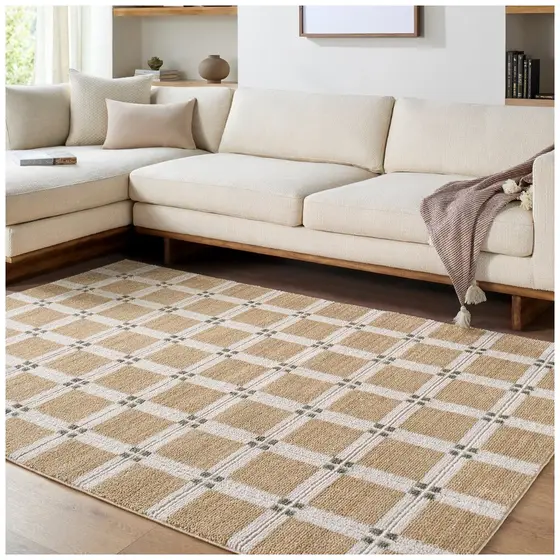
Immediate steps after an accident
Remove as much solid matter as possible before it dries. Use the back of a spoon or a blunt knife to lift material without pushing it deeper into the pile. Work from the outside of the mess inward to contain it. Absorb liquid by pressing clean white paper towels or a clean microfibre cloth firmly onto the area. Replace the towels as they become saturated. Never rub, as this spreads the stain and can damage fibres.
Once the bulk is removed, test any cleaning solution on an inconspicuous corner of the rug. Different constructions react differently: hand-tufted rugs have a glued backing that dislikes excess water, while flatweaves have no pile to trap residue.
Why speed matters
Sick contains acids and enzymes that can set quickly. The longer the delay, the higher the chance of permanent discolouration, especially on cream, beige or light grey rugs. Wool rugs hide soil well but can felt if scrubbed harshly. Polypropylene rugs tolerate water better but crush easily if over-wetted.
Fibre-Specific cleaning methods
Always follow the care instructions on the product page. The material, pile height and construction determine safe cleaning limits.
Wool rugs
Wool is resilient and naturally soil-hiding but sheds when new and dislikes heat or harsh chemicals. After blotting, mix a few drops of wool-safe detergent in cold water. Apply with a soft cloth, working in the direction of the pile. Rinse by blotting with a cloth dampened in cold water only. Excess water can cause the wool to felt or the backing to weaken. For larger rugs such as a 160 x 230 cm rug in a living room, work in sections to keep the area manageable.
Polypropylene and synthetic rugs
Polypropylene is water-tolerant and stain-resistant, making it a practical choice for homes with children or pets. Blot thoroughly, then clean with a solution of one teaspoon of mild dish soap in 500 ml cold water. Rinse by dabbing with a cloth wrung out in plain cold water. These rugs can usually be spot-cleaned more aggressively than natural fibres, but avoid hot water which can melt or distort the fibres. Many machine-woven polypropylene options are available in practical sizes such as 200 x 290 cm rugs.
Viscose and delicate fibres
Viscose (sometimes labelled bamboo silk or art silk) is soft and shiny but highly water-sensitive. It crushes easily and watermarks are almost impossible to remove. Use the vinegar solution very sparingly and blot immediately. In many cases the safest route is to lift solids, blot, then leave the area to dry and call a professional cleaner. Avoid these fibres in high-risk areas such as dining rooms or children’s bedrooms.
Step-by-Step cleaning process
- Scrape solids away with a blunt edge.
- Blot liquids with white towels until no more transfers.
- Apply a cold vinegar-water solution (1:2 ratio) or mild detergent solution with a clean cloth. Work gently in the pile direction.
- Blot the solution out with fresh towels. Do not rub.
- Rinse by dabbing with a cloth dampened in cold water. Remove as much moisture as possible.
- Place a clean dry towel over the area and weigh it down with books or a heavy object to help draw out remaining moisture.
- Allow the rug to air-dry completely. Use a fan if needed but never a heater.
For rugs with higher pile, such as shaggy styles, gently lift the fibres with your fingers or a wide-tooth comb once almost dry to prevent matting.
Common mistakes to avoid
- Using hot water – it sets proteins in sick and can damage wool or melt synthetics.
- Rubbing or scrubbing – this pushes the mess deeper and frays fibres.
- Over-wetting the rug – excess water can reach the backing of hand-tufted rugs and cause delamination.
- Using bleach, ammonia or enzymatic cleaners not designed for the specific fibre.
- Placing the rug back on a damp floor – this can lead to mould on the underside.
Plain, low-pile rugs are generally easier to clean than thick shaggy or high-pile designs. If you have a light-coloured wool rug in a busy living room, consider a practical polypropylene alternative for areas where accidents are more likely.
Preventing future accidents
Position rugs where they are less likely to be in the path of children or pets. In living rooms, a living room rug that extends 15–30 cm beyond the sofa on all sides keeps feet on the rug rather than the floor. Under dining tables, choose a size that allows 60 cm extra on every side so chairs remain fully on the rug when pulled out. In bedrooms, a rug that shows 50–60 cm on either side of the bed reduces the chance of stepping onto bare floor first thing in the morning.
Low-pile and flatweave constructions are easier to maintain than deep pile. Polypropylene rugs are particularly useful in kitchens or dining areas because they tolerate occasional spills better than wool. For neutral schemes, beige and natural rugs or cream and ivory rugs look smart but show marks more readily than darker or patterned designs.
When to Call a Professional
If the stain remains after two cleaning attempts, or if the rug is large, expensive, hand-knotted or made from viscose, professional cleaning is the safer option. Specialist cleaners can treat the rug off-site and dry it flat, reducing the risk of water damage to the backing. This is especially important for handmade rugs or wool rugs in sizes such as 200 x 290 cm that are difficult to handle at home.
Always check the care guidance on the individual product page before attempting any cleaning. Construction details such as hand-tufted versus machine-woven make a significant difference to how much water the rug can safely tolerate.
Choosing easier-to-clean rugs for the future
When replacing a rug that has seen repeated accidents, look for polypropylene or tightly woven wool styles. Machine-woven polypropylene rugs offer good stain resistance and are available in many sizes and colours. Wool rugs provide natural resilience and are flame-resistant relative to synthetics, but they require more careful spot cleaning. Low pile heights (under 10 mm) are simpler to keep clean than shaggy or high-pile rugs.
Practical options include neutral polypropylene designs that blend into most rooms while remaining easy to maintain. For living rooms, a 160 x 230 cm or 200 x 290 cm rug in a front-legs-on layout works for most UK sofas. In smaller rooms, reduce the border of exposed floor to around 20 cm. Always leave 30–60 cm of floor visible around the edges in larger rooms to keep the rug anchored visually.
| Fibre | Water Tolerance | Stain Resistance | Best For |
|---|---|---|---|
| Wool | Moderate – blot only | Good at hiding soil | Living rooms, bedrooms |
| Polypropylene | High | Very good | Kitchens, dining rooms, families |
| Viscose | Very low | Poor | Low-traffic formal areas |
Selecting the right fibre and construction from the start reduces the stress of future accidents. Browse our full range of polypropylene rugs or wool rugs to find practical, good-looking options suited to your home.
Frequently asked questions
Can I use carpet shampoo to clean sick off a rug?
Most carpet shampoos are unsuitable for rugs because they contain harsh chemicals and require more water than rugs can safely tolerate. The excess moisture can damage glued backings on hand-tufted rugs or cause watermarks on wool and viscose. Stick to the vinegar or mild detergent methods described and always test first.
How long does a rug take to dry after cleaning?
Drying time depends on pile height, room temperature and how much water was used. Low-pile polypropylene rugs may dry in 4–6 hours with good airflow. Wool or high-pile rugs can take 12–24 hours or longer. Never walk on the damp area and ensure the underside is also dry before replacing furniture.
Will baking soda remove the smell of sick from a rug?
Baking soda can help absorb odours after the area has been cleaned and is completely dry. Sprinkle a thin layer over the dry rug, leave for several hours or overnight, then vacuum thoroughly. Do not use it on a wet rug as it can form a paste that is difficult to remove.
Is it safe to steam clean a rug after removing sick?
Steam cleaning is not recommended for most rugs. The heat and moisture can set stains, damage wool fibres, melt polypropylene or cause delamination in tufted rugs. Cold-water blotting methods are safer. For deep cleaning, consult a professional rug cleaner instead.
What should I do if the sick stain has already dried?
Scrape off any crusty residue carefully, then re-wet the area with cold water to soften the stain before treating with the vinegar solution. Dried stains are harder to remove completely. Multiple gentle applications may be needed, and some discolouration can remain on light-coloured or delicate fibres.
Shop the guide
-
 Atlas Shaggy Rug in Emerald Green
from £59.98
-
 Atlas Shaggy Rug in Gunmetal Grey
from £59.98
-
 Atlas Shaggy Rug in Ivory Cream
from £59.98
-
 Atlas Shaggy Rug in Natural
from £59.98
Related guides
- Spring cleaning rugs: deep clean guide
- How to Clean a Rug Without a Vacuum Cleaner
- Best rugs for families with toddlers: soft, safe and easy-clean
- Post-Christmas rug clean-up: pine needles, wax and spills
- How to clean a wool rug at home
- All rug guides
Questions about a specific rug? Every product page lists the maker's size, material, pile height and care details. Delivery is free and tracked to England, Wales and mainland Scotland, and you have 14 days to change your mind. See delivery and returns.