
How to Care for Rug Fringes
Caring for rug fringes involves gentle weekly brushing or vacuuming with the beater bar off, immediate spot cleaning with a dry cloth and mild detergent solution, and trimming split ends with sharp scissors. Prevent tangling by rotating the rug every six months and keeping it away from high-traffic areas where feet catch the threads. These steps stop fringes from matting, fraying or looking worn while preserving the decorative edge common on many handmade and traditional designs.
Daily and weekly maintenance
Fringes suffer most from everyday dirt and foot traffic. Use a soft-bristled brush or the upholstery attachment on your vacuum cleaner with the rotating beater bar switched off. Work in the direction of the fringe strands rather than against them. This removes dust without pulling threads loose. Do this at least once a week, more often in hallways or living rooms where a living room rug sees heavy use.
Avoid vacuuming fringes on high suction; it can stretch or snap individual yarns.
Vacuuming tips
- Always lift the fringe before vacuuming underneath.
- Never run the vacuum head directly over the fringed edge.
- Use a hand-held vacuum for spot cleaning around the border.
Cleaning methods for fringes
Spills on fringes demand quick action because many rug materials absorb liquids differently. For wool and viscose blends, blot immediately with a clean white cloth. Mix a teaspoon of wool-safe detergent in a litre of lukewarm water, dampen a cloth and gently work from the outer edge inward. Rinse with a cloth dampened in plain water and blot dry. Never soak fringes; excess water can cause the yarns to swell, tangle and leave permanent watermarks, especially on viscose which is particularly sensitive.
Polypropylene and polyester fringes are more tolerant of water. The polypropylene rugs in our range can be spot cleaned with a mild solution. Always test any cleaning solution on an inconspicuous area first.
Professional cleaning is advisable for valuable handmade pieces. Mention that fringes need separate attention when booking; cleaners experienced with handmade rugs will comb them straight after washing.
Detangling and straightening fringes
Tangled fringes are common on longer-pile or shaggy styles. Start by gently separating knots with your fingers. A wide-toothed comb or a special rug fringe brush helps. Work in small sections from the rug edge outward. Spray a light mist of fabric conditioner diluted in water (one part conditioner to ten parts water) to soften fibres and reduce static that attracts dust.
For stubborn mats, lay the rug flat, place a damp towel over the fringe and press with a warm (not hot) iron on the synthetic setting. This works on polyester and polypropylene but avoid on viscose or wool as heat can damage those fibres. After straightening, let the fringe air dry completely before walking on it.
When and how to trim fringes
Fringes fray over time. Small splits at the ends are normal and can be trimmed with sharp, clean scissors. Cut each damaged strand individually at an angle to match the surrounding length. Never cut across the entire fringe in one go; this creates an uneven line that draws the eye.
Measure the original fringe length first. Trim no more than 1 cm at a time and only when at least 20 % of strands show damage. If more than half the fringe looks worn, consider professional repair or replacement of the rug border.
Hand-tufted rugs have a glued backing; excessive trimming near the edge can expose the glue line. Check the product page for construction details before cutting.
Prevention tips to keep fringes looking New
Prevention is easier than cure. Position rugs so fringes run parallel to the main traffic flow rather than perpendicular. In bedroom rugs this usually means placing the fringe at the foot or head of the bed, not along the sides where people step on and off. Leave 30–60 cm of floor visible around the rug in most rooms so chairs and feet do not constantly catch the edge.
Rotate the rug every six months to even out wear. Use a non-slip underlay that stops the rug sliding; movement causes fringes to bunch and tangle. Avoid placing heavy furniture directly on the fringe. For dining areas choose styles without long fringes or ensure the rug extends 60 cm beyond the table on all sides so chairs rest fully on the main body.
Protect from pets and children who may pull threads. If you have a fringed rug in a busy family room, consider a shorter fringe style or a flatweave alternative for that space.
Material-Specific care for fringes
Different fibres need different handling. Wool is resilient but sheds when new; gentle brushing removes loose fibres without harming the fringe. Viscose looks luxurious but marks easily with water and crushes; keep it dry and comb rather than brush. Polyester and polypropylene fringes are hard-wearing and tolerate occasional spot cleaning, but check the care instructions on the product page.
Jute and sisal fringes dislike water and can stain; dry brushing is safest. Always consult the care instructions listed on each rug’s product page before attempting any deep clean.
| Material | Cleaning Approach | Trimming Advice |
|---|---|---|
| Wool | Mild detergent, blot only | Minimal, angle cut |
| Viscose | Dry methods preferred | Very careful, avoid pulling |
| Polypropylene/Polyester | Can tolerate damp cloth | Straightforward, heat safe |
Following these steps will keep fringes neat for years. For new fringed designs explore our full selection of fringed and tasselled rugs.
Frequently asked questions
Can I wash rug fringes in a washing machine?
Only small machine-woven polypropylene or polyester rugs with short fringes may be spot cleaned. Larger wool or viscose rugs must be cleaned in place or by professionals. Always check the care instructions on the product page first.
How do I stop my rug fringes from curling up?
Curling usually happens with new rugs or after cleaning. Lay the rug flat, mist lightly with diluted fabric conditioner, comb straight and place weights (wrapped books) along the edge for 24 hours while it dries. Repeat if needed.
Should fringes be tucked under the rug?
No. Tucking creates lumps that cause tripping hazards and uneven wear. Instead, keep fringes straight and flat using the brushing and combing methods described.
What is the best tool for combing rug fringes?
A wide-toothed plastic comb or a purpose-made rug rake works best. Metal combs can snag and break fibres. Work gently in small sections from the rug edge outwards to avoid pulling knots tighter.
Do all rugs come with fringes?
No. Many modern and flatweave rugs have bound or serged edges instead. Fringes are common on handmade wool and viscose designs for decorative effect. Check the construction details on each product page to see if fringes are included.
Shop the guide
-
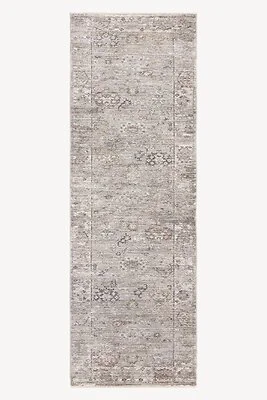 Jasper Rug in Grey Silver
from £69.98
-
 Myrtle Avenue IV Rug in Brown & Cream
from £79.98
-
 Myrtle Avenue V Rug in Brown
from £79.98
-
 Ariana Shard Shaggy Rug in Multicoloured
from £89.98
Shop all fringed & tasselled rugs
Related guides
- Rug edges explained: binding, overlocking and fringes
- Loop pile rugs: pros, cons and care
- Cotton rugs: types, care and uses
- Spring cleaning rugs: deep clean guide
- Jute rugs: pros, cons and care
- All rug guides
Questions about a specific rug? Every product page lists the maker's size, material, pile height and care details. Delivery is free and tracked to England, Wales and mainland Scotland, and you have 14 days to change your mind. See delivery and returns.